Spain Warns EU Truck-Charging and Hydrogen Targets Are Outpacing Demand
Spain has warned Brussels that European targets for heavy-truck charging and hydrogen-refueling infrastructure are advancing faster than the vehicle market. The mismatch could leave operators with underused assets while transport companies wait for vehicle supply, clearer economics and sufficient demand.
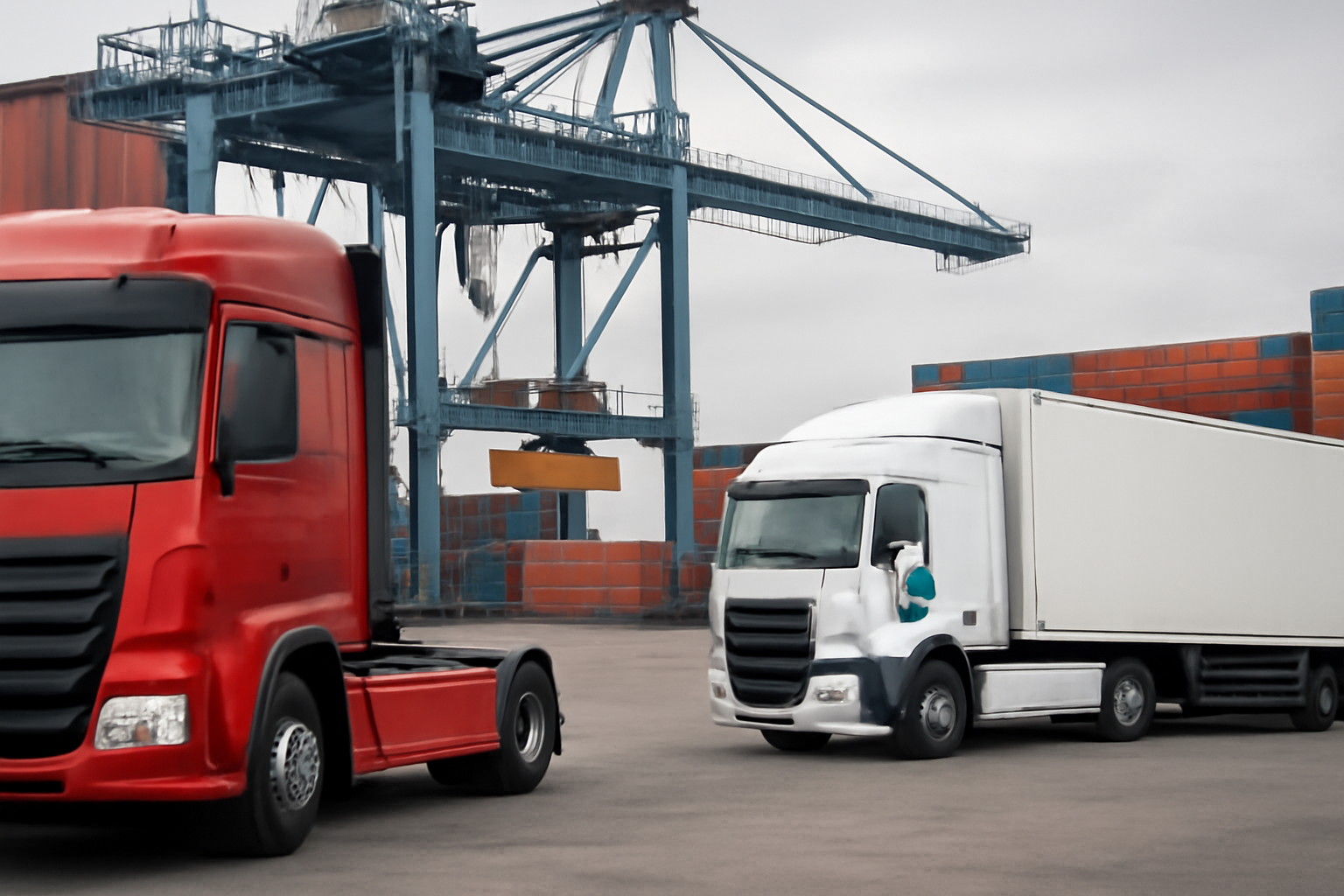
Infrastructure rollout moves ahead of vehicles
Spain has warned Brussels that European targets for deploying heavy-vehicle charging infrastructure and hydrogen-refueling stations are moving faster than the market they are intended to serve. El Economista reported the Spanish concern, highlighting a potential mismatch between mandated infrastructure expansion and the pace at which transport operators adopt electric and hydrogen-powered trucks.
The warning does not challenge the objective of reducing emissions from road freight. It focuses instead on timing. Charging points and hydrogen stations require significant capital, suitable sites, grid or fuel connections, permits and long operating lives. If the number of compatible trucks remains limited during the early years of operation, infrastructure providers face low utilization and a longer path to recovering their investment.
Utilization becomes the central investment risk
Heavy-truck infrastructure has different requirements from passenger-car charging. Freight operators need dependable locations, sufficient space and equipment capable of supporting commercial schedules. A station may satisfy a deployment target while still attracting too little traffic to operate efficiently. For investors, the decisive question is therefore not only how many sites are built, but how frequently they are used.
The same issue is especially relevant for hydrogen. A refueling network needs demand from vehicles, while fleet operators need confidence that fuel will be available along their routes. Building stations before fleets expand can create underused capacity. Waiting for firm demand, however, can slow vehicle purchases because transport companies will be reluctant to adopt trucks without reliable refueling coverage. Spain’s warning points to this coordination problem between infrastructure, vehicle availability and fleet investment.
Truck buyers will determine the rollout’s economics
Transport companies make vehicle decisions around operating cost, reliability, payload, route length and access to energy. Regulatory targets can accelerate the availability of infrastructure, but they cannot by themselves ensure that operators will purchase vehicles at the same pace. If adoption trails the mandated rollout, charging and hydrogen suppliers may need to carry operating costs before traffic reaches commercially sustainable levels.
The effects extend across the heavy-vehicle supply chain. Truck manufacturers need visibility on fleet orders. Charging-equipment producers depend on projects moving from regulatory plans to active, well-used sites. Electricity suppliers, hydrogen producers, station operators and property owners must coordinate investments whose returns depend on the same uncertain adoption curve. Importers and distributors of vehicles and equipment also face inventory risk if infrastructure and truck demand develop at different speeds.
Spain seeks closer alignment with market conditions
Spain’s message to Brussels is that deployment schedules should reflect actual market development. A faster infrastructure rollout can reduce one barrier to zero-emission trucking, but excessive distance between installed capacity and vehicle demand raises financing and utilization risks. The concern is particularly important for facilities serving long-distance freight, where route coverage matters more than isolated sites.
The policy challenge is to maintain enough infrastructure certainty to encourage truck purchases without requiring operators to build far ahead of credible demand. Spain’s intervention adds pressure for European targets to be assessed against vehicle uptake and the commercial performance of existing facilities. For the sector, the outcome will influence where capital is committed, which technology receives priority and how quickly low-emission freight networks can become economically viable.