Spain’s planned tobacco tax increase could push cigarette packs close to €8 in 2028
Spain is expected to apply a higher EU minimum tobacco tax in 2028, raising the cigarette tax floor from €90 to €215 per 1,000 cigarettes. Crónica Global estimates that the change will add €1.40 to a pack and could bring retail prices close to €8.
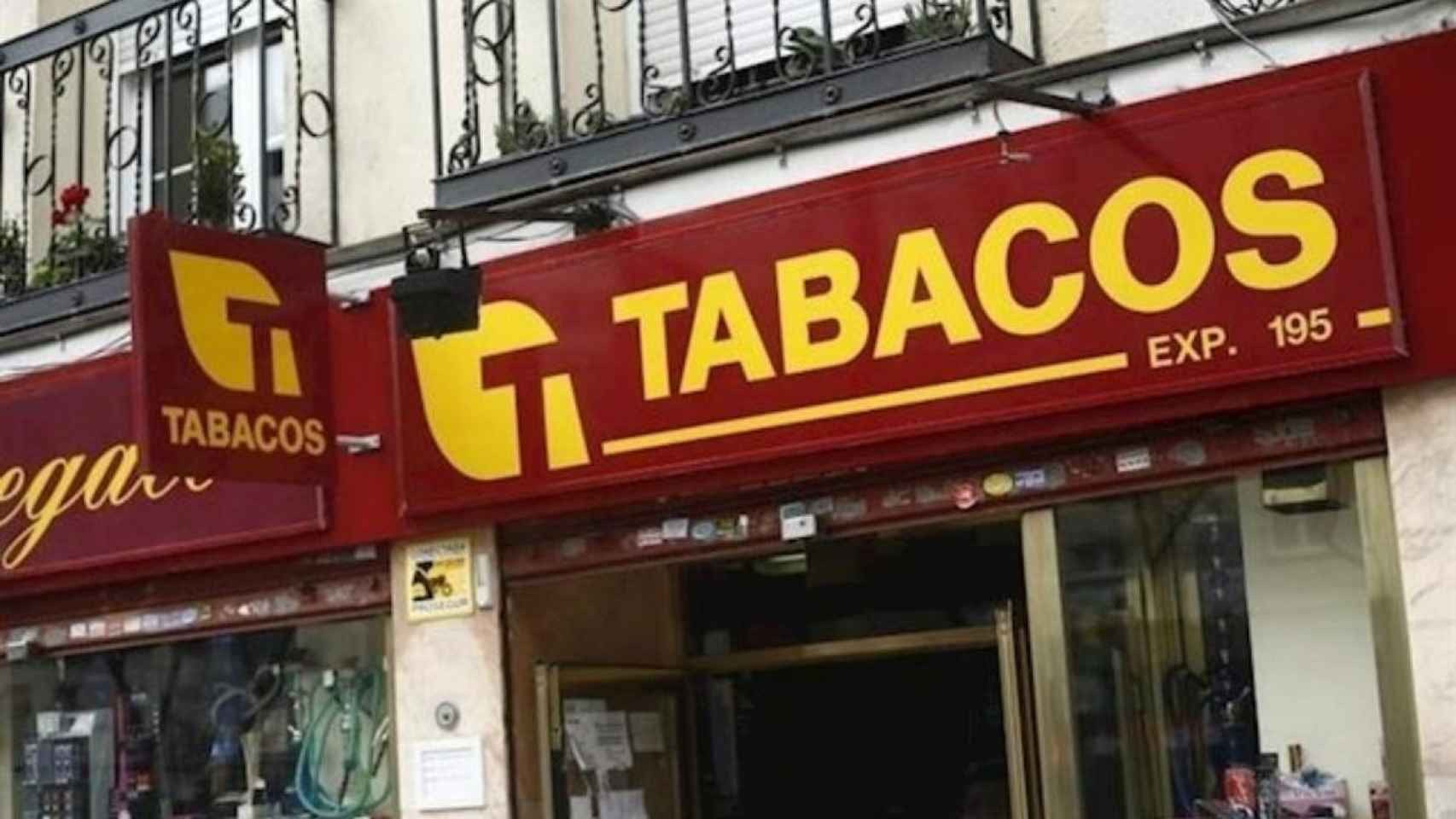
Higher EU tax floor scheduled for 2028
Spain is preparing for a substantial increase in tobacco taxation under a revised European Union framework intended to discourage consumption and narrow price differences among member states. Crónica Global reports that the central date in the plan is 2028, when the new minimum tax floor required by Brussels is due to take effect.
The minimum tax on cigarettes would more than double, rising from €90 to €215 per 1,000 cigarettes. According to the publication, that change translates into a direct increase of €1.40 for a standard pack. The headline estimate places the resulting retail price at close to €8, although the final shelf price will also depend on manufacturers’ pricing decisions and the way the measure is implemented in Spain.
Producers expected to pass through costs gradually
Crónica Global says tobacco companies are expected to pass higher costs through to consumers progressively in official price updates published in Spain’s Official State Gazette, or BOE, before the full minimum takes effect in 2028. The timetable therefore points to a phased adjustment rather than a single retail-price shock, followed by the application of the new EU floor.
For manufacturers and distributors, gradual increases may help manage inventories, contracts and retail price positioning. They also create a period in which consumers can shift between brands, formats or nicotine products as relative prices change. The source says rolling tobacco and vaping products will also face unprecedented increases, but it does not provide their future tax rates or the expected price impact.
Price gap with France could narrow
The measure would move Spanish cigarette prices closer to those in neighboring France, according to Crónica Global. Spain’s lower prices have long been relevant to tobacco retailers and manufacturers operating in a European market where national tax differences strongly influence final prices. A smaller gap would alter the competitive position of Spain’s legal market, particularly in areas exposed to cross-border purchasing and tourism.
The tax increase is designed primarily as a public-health measure. A higher minimum duty raises the cost of smoking and is intended to reduce demand, while a more uniform EU framework limits the extent to which consumers can seek lower-tax markets within the bloc. The commercial effect will depend on how much of the increase manufacturers absorb and how much they pass on to buyers.
Legal market faces demand and pricing pressure
A €1.40 increase per pack would be material for regular smokers and could accelerate declining consumption or encourage movement toward cheaper brands and alternative products. Tobacco companies will have to balance volume preservation against margins, while wholesalers and retailers will need to prepare for changes in product mix and purchasing frequency.
The planned increases for rolling tobacco and vaping products indicate that policymakers are seeking to prevent consumers from simply moving from cigarettes to lower-tax alternatives. However, without detailed rates for those categories, their relative position after 2028 remains unclear. For the legal tobacco market, the key variables will be the final Spanish legislation, the timing of BOE price updates and enforcement against sales outside regulated channels.