Spain’s South African citrus imports rise 27% as July border alerts reach seven
Spain increased citrus imports from South Africa by 27%, while fruit from the country generated seven border alerts in July linked to Phyllosticta citricarpa. The parallel rise in trade and interceptions is intensifying biosecurity concerns for the citrus market.
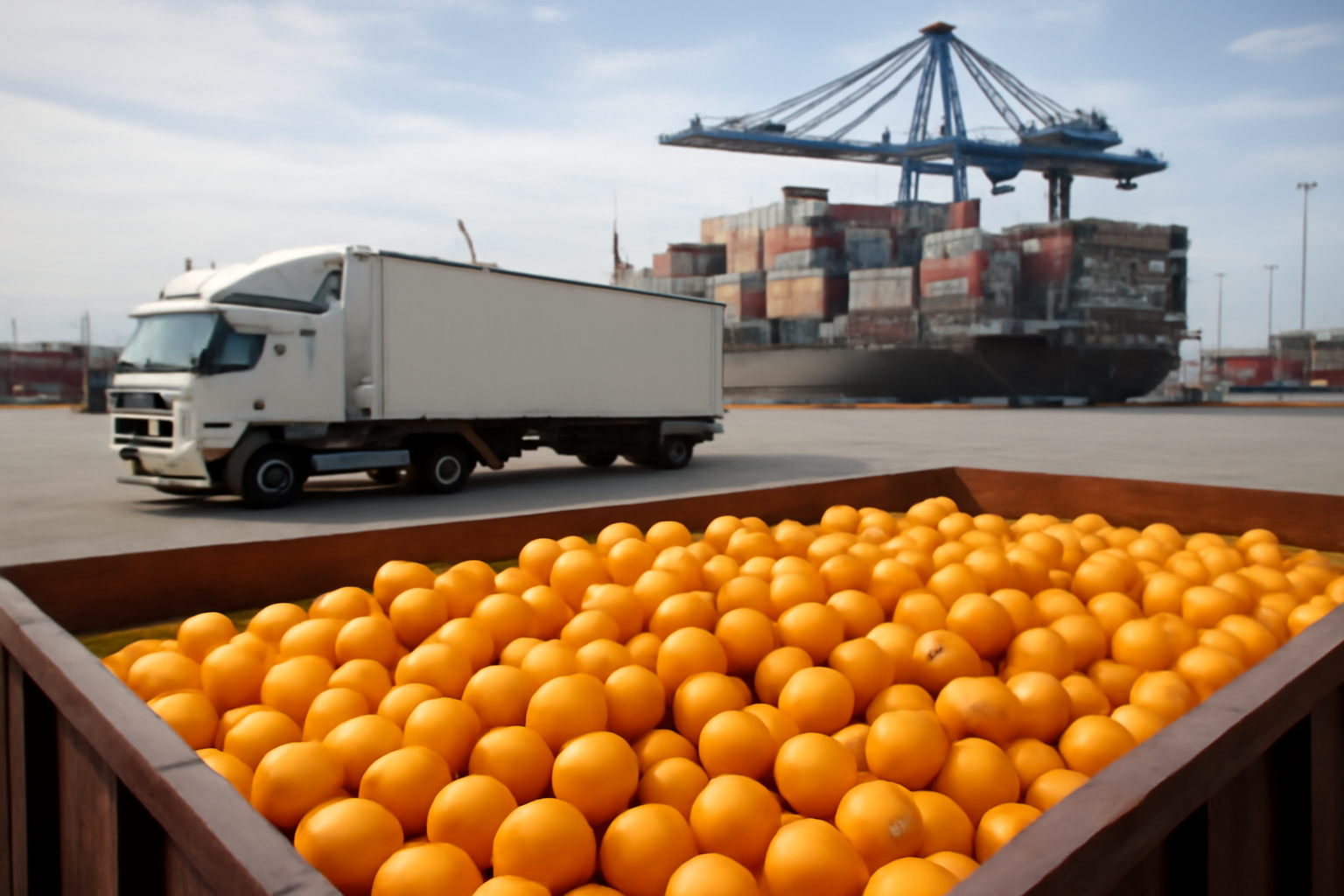
Imports rise as border scrutiny intensifies
Spain increased its imports of citrus fruit from South Africa by 27%, expanding the presence of South African supply in the Spanish market. The available report does not specify the comparison period, the imported volume or the value of the trade, but the stated increase points to a material acceleration in shipments.
The growth has coincided with mounting European border alarms involving fruit from South Africa. In July, the country was responsible for seven alerts associated with the presence of Phyllosticta citricarpa, a fungus affecting citrus. The simultaneous increase in import activity and contamination findings has placed plant-health controls alongside trade volumes as a central issue for the sector.
Seven alerts recorded in July
The seven July cases add to concerns accumulating at European customs posts. Each alert indicates that inspectors identified the fungus in a consignment presented for entry. The supplied information does not state whether the affected cargoes were rejected, destroyed, treated or returned, nor does it provide the quantity of fruit involved.
That distinction matters commercially. A border alert does not establish that all South African citrus presents the same risk, and the number of alerts cannot be converted into a contamination rate without the total number of consignments inspected. Nevertheless, repeated findings increase the operational importance of orchard monitoring, packing-house controls, documentation and inspection before shipment.
Commercial implications for the citrus chain
For Spanish importers, the 27% rise increases exposure to any disruption affecting South African cargoes. Additional checks can complicate delivery planning and create uncertainty for companies handling perishable fruit, even when most consignments comply with entry requirements. Exporters and packers, meanwhile, face stronger incentives to prevent affected fruit from entering commercial lots.
Spanish citrus producers will focus on the plant-health dimension because an imported pathogen can create consequences beyond the individual shipment in which it is detected. The information supplied does not document an outbreak in Spain, so the July alerts should not be presented as evidence that the fungus has become established in the country. They instead show that customs controls are intercepting a recurring hazard at the border.
Trade growth now tied to risk management
South Africa remains the origin at the center of both figures in the report: a 27% increase in Spanish imports and seven fungal alerts in July. These indicators measure different things, but together they sharpen the debate over how expanding citrus trade should be managed without weakening biosecurity safeguards.
Further assessment will require data that the available material does not provide, including shipment volumes, the number of inspected consignments, affected citrus categories and comparable alerts from earlier periods. Until those figures are available, the clearest conclusion is limited but relevant: Spanish demand for South African citrus has grown, while European inspectors have repeatedly detected Phyllosticta citricarpa in fruit from the same origin.