Spain’s sheep milk output falls 1.7% as tighter supply lifts prices
Spanish sheep milk production fell 1.7% year on year to 215.76 million litres between January and May. Interempresas reported that tighter supply lifted the average price by 5.7% to €11.09 per hectograde, while the number of farmers making deliveries declined by 6.8%.
Production declines through May
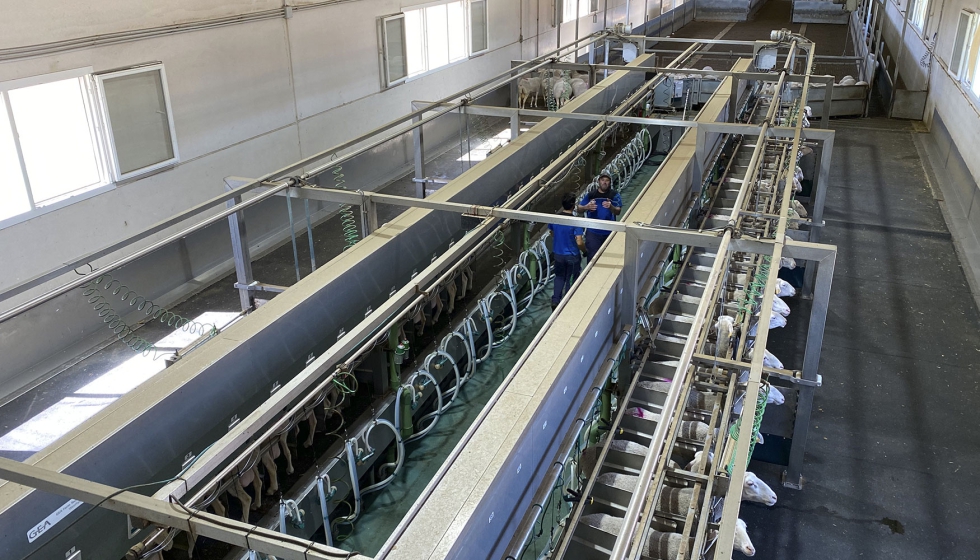
Spain produced 215.76 million litres of sheep milk between January and May, a decline of 1.7% from the same period a year earlier, according to official figures reported by Interempresas. The contraction shows that the country’s dairy sheep sector entered the year with less milk reaching first buyers.
The figures come from the latest report on declarations of sheep and goat milk deliveries to first purchasers. The report was prepared by the General Subdirectorate for Livestock and Game Production within Spain’s Ministry of Agriculture, Fisheries and Food, known as MAPA, and was updated through May.
The reported total covers the first five months of the year. The comparison with the corresponding period of the previous year reduces the effect of seasonal production patterns and indicates that the decline reflects a year-on-year reduction in marketed supply.
Tighter supply supports the market
The lower volume has coincided with an increase in the average sheep milk price. Interempresas reported that the national average reached €11.09 per hectograde, 5.7% higher than a year earlier. The price movement gives producers more revenue per unit of milk, although individual returns still depend on delivered volume and milk composition.
For processors and first purchasers, the figures point to a tighter raw-material market. A smaller national milk pool can intensify competition for available deliveries, particularly among buyers that need predictable volumes. The 5.7% price rise indicates that the market has already responded to the reduction in supply.
The available data do not establish whether higher unit prices fully compensate farms for lower production. They nevertheless show a clear divergence: marketed volume fell by 1.7%, while the average price increased by 5.7%. Producers with stable output may benefit more directly from the stronger price, while farms with steeper volume losses may see a more limited gain.
Fewer farmers are delivering milk
The production decline is occurring alongside a continued restructuring of the sector. The number of sheep farmers reporting deliveries fell by 6.8% from a year earlier, according to Interempresas. That contraction was considerably larger than the 1.7% fall in milk volume.
The gap between the two rates suggests that production is becoming concentrated among fewer active suppliers. It may also mean that the remaining delivery farms are, on average, maintaining more volume than the producers that have left the reporting base. The source data, however, do not specify the reasons for the decline in farmer numbers or provide individual farm output.
For Spain’s sheep milk chain, the immediate issue is the balance between a smaller supplier base and processors’ demand for raw milk. Farmers gain support from a higher average price, but the 6.8% reduction in delivery operations shows that price strength has not stopped the number of suppliers from falling. Buyers must therefore manage procurement in a market where both total supply and the pool of delivering farmers have contracted.