Spanish groups seek limits on Tunisian olive oil imports for processing
Spanish farm groups and politicians are pressing Madrid to seek EU limits on inward processing for Tunisian olive oil. The dispute concerns duty-suspended imports intended for processing and re-export, not a general ban on Tunisian oil.
Inward processing draws scrutiny
Spanish agricultural organizations and political representatives are calling on Madrid to ask Brussels to restrict or suspend the use of inward processing for Tunisian olive oil. According to Webdo, opposition has intensified as a growing proportion of Spain’s imports from Tunisia enters through this customs procedure. The campaign is focused on the import mechanism rather than seeking a general prohibition on Tunisian olive oil.
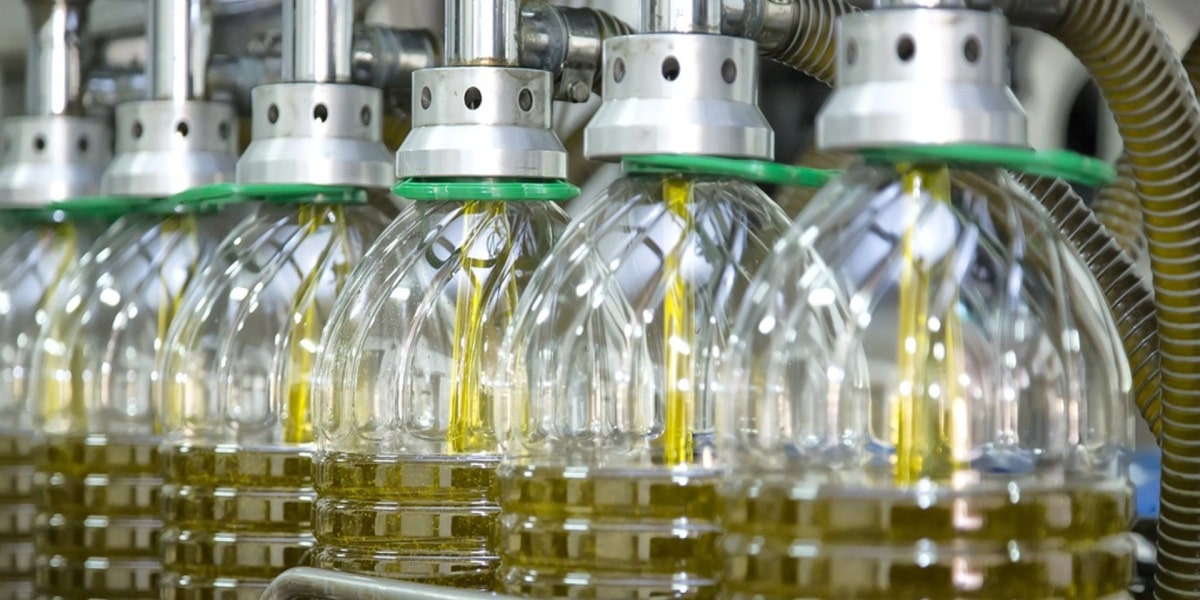
Inward processing allows a European company to import goods for processing without immediately paying customs duties, provided that the resulting products are subsequently re-exported outside the European Union. For olive oil processors, the system provides access to Tunisian raw material for products destined for third-country markets. It also separates these flows, at least in regulatory terms, from conventional imports released for sale within the EU.
Figures cited by Webdo show that 76.3% of the Tunisian olive oil imported into Spain between January and April 2026 entered under inward-processing arrangements. That compares with 61.6% for the whole of 2025. The increase has sharpened concern in Andalusia, Spain’s principal olive-growing region, where farm organizations and regional politicians argue that the mechanism adds to available supply and puts pressure on prices paid to domestic producers.
Madrid disputes a direct price effect
Spain’s government has not endorsed that interpretation. Agriculture Minister Luis Planas called for calm on September 14 and said Tunisian imports do not directly determine prices in the Spanish market. Data presented by his ministry indicate that Spain imported 83,187 tonnes of Tunisian olive oil from the start of the olive campaign through June.
That volume represented 5.2% of approximately 1.6 million tonnes of resources available on the Spanish market. On those figures alone, no direct causal relationship can be established between Tunisian inflows and movements in producer prices. The disagreement therefore concerns both the operation of the customs regime and the degree to which oil imported for processing and re-export affects the wider balance of supply.
Critics have nevertheless maintained their pressure. On September 20, Toni Valero, the coordinator of Izquierda Unida in Andalusia, asked the Spanish government to advocate in Brussels for a total or partial suspension of inward processing when its use is considered to create a market distortion. The proposal would target the conditions under which the procedure operates, rather than all Tunisian-origin olive oil entering Spain.
Decision rests at EU level
Any modification or suspension would have to be decided at European level. No EU measure against Tunisian olive oil has been adopted at this stage, and the initiative remains a political and agricultural demand within Spain. The distinction matters for traders and processors: existing consignments can continue to use the applicable customs framework unless Brussels changes the rules.
For Tunisia, access to Spanish processing capacity is commercially significant because Spain is one of the main European markets for Tunisian olive oil. The inward-processing regime also connects Tunisian supply with European blending, packaging and export chains serving destinations outside the EU. Restrictions could narrow that route and alter sourcing options for Spanish processors, while leaving conventional imports and other EU access arrangements subject to their existing rules. Producers and traders will therefore be watching whether Madrid formally takes the Andalusian demands to Brussels and whether the debate develops into an EU-level review.