Spain seeks tailored EU carbon-market treatment for ceramics industry
Spain is pressing Brussels to give its ceramics industry specific treatment in the revision of the EU carbon market, according to El País. Aagesen continues to describe pollution pricing as a cornerstone of EU climate policy, placing the debate on how the rules are applied rather than whether they should exist.
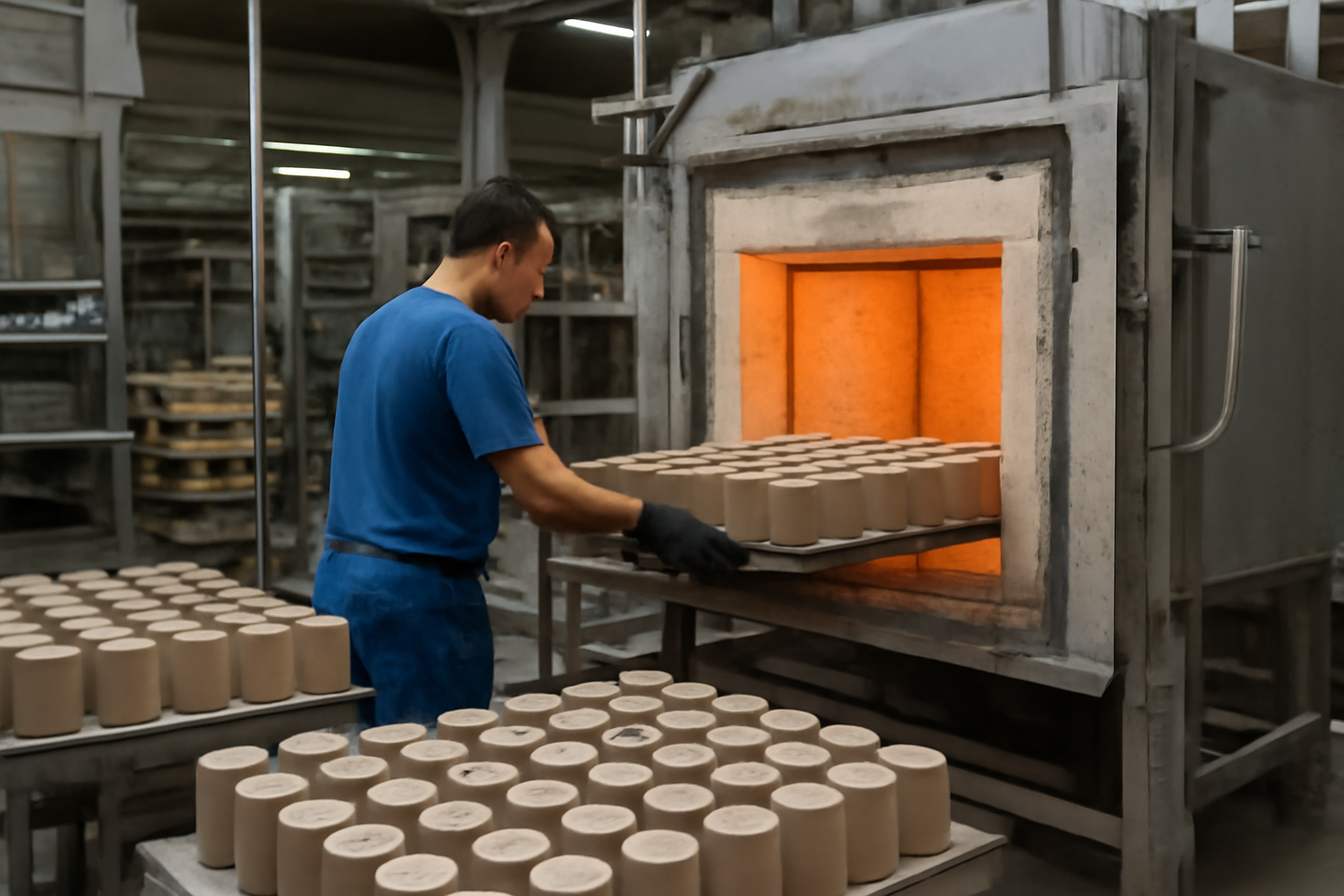
Spain takes the ceramics case to Brussels
Spain is pressing Brussels to provide specific treatment for the country’s ceramics industry during the revision of the European Union’s carbon dioxide market, according to El País. The initiative highlights the growing tension between the cost of industrial emissions and the effort to preserve production in sectors exposed to energy and carbon expenses.
The available report does not identify the precise regulatory mechanism requested by Spain. It also provides no estimate of the financial impact on ceramics producers, no timetable for a decision and no list of companies that could benefit. The central demand is nevertheless clear: Madrid wants the revised framework to recognise the particular circumstances of ceramics rather than applying the rules without sector-specific adjustments.
For producers, the outcome will affect the cost of operating carbon-intensive facilities under the EU framework. For investors and processors, the central questions are whether revised obligations change the economics of existing capacity and whether plants can justify further spending. Traders and customers will be watching for any effect on the availability and pricing of European ceramic products.
Carbon pricing remains the policy anchor
Aagesen defended the system that penalises pollution as the “cornerstone of climate policy” in the EU, El País reported. That position indicates that Spain is not calling for the carbon market to be abandoned. Its campaign instead concerns how the system should treat a particular industrial sector when the rules are reviewed.
This distinction matters for the negotiations. A sector-specific arrangement could address pressure on ceramics manufacturers while leaving the wider carbon-pricing architecture in place. However, the material supplied does not specify whether Spain is seeking changes to allowances, implementation schedules, compensation or another element of the regime.
The lack of a detailed public proposal also leaves important competitive questions unresolved. The commercial effect will depend on the final design, the producers covered and the duration of any tailored treatment. Without those details, it is not possible to quantify the potential change in manufacturing costs or product prices.
Industrial competitiveness enters the review
Spain’s intervention puts ceramics directly into the wider discussion over the industrial consequences of EU emissions costs. The sector’s case will be relevant to producers deciding where to maintain capacity, buyers comparing suppliers and investors assessing the future cost base of European manufacturing.
The issue also has implications beyond Spanish plants. Any special treatment may become a reference point for other industries seeking recognition of sector-specific operating conditions. Conversely, a narrow or rejected request would signal that the revised market will continue to prioritise common carbon rules over differentiated treatment.
Brussels must therefore balance two positions already visible in the Spanish approach: carbon pricing remains central to EU climate policy, while ceramics is presented as requiring a tailored response. Until the proposed terms and the EU’s reaction are disclosed, the immediate significance lies in Spain formally placing industrial competitiveness inside the carbon-market review.