Spain becomes the world’s second-largest tequila market after imports top 7 million liters
More than 7 million liters of tequila arrived in Spain in 2025, making it the world’s second-largest market after the United States, according to EL PAÍS. Growth by major brands is being accompanied by a new premium segment of artisanal and creator-led tequilas.
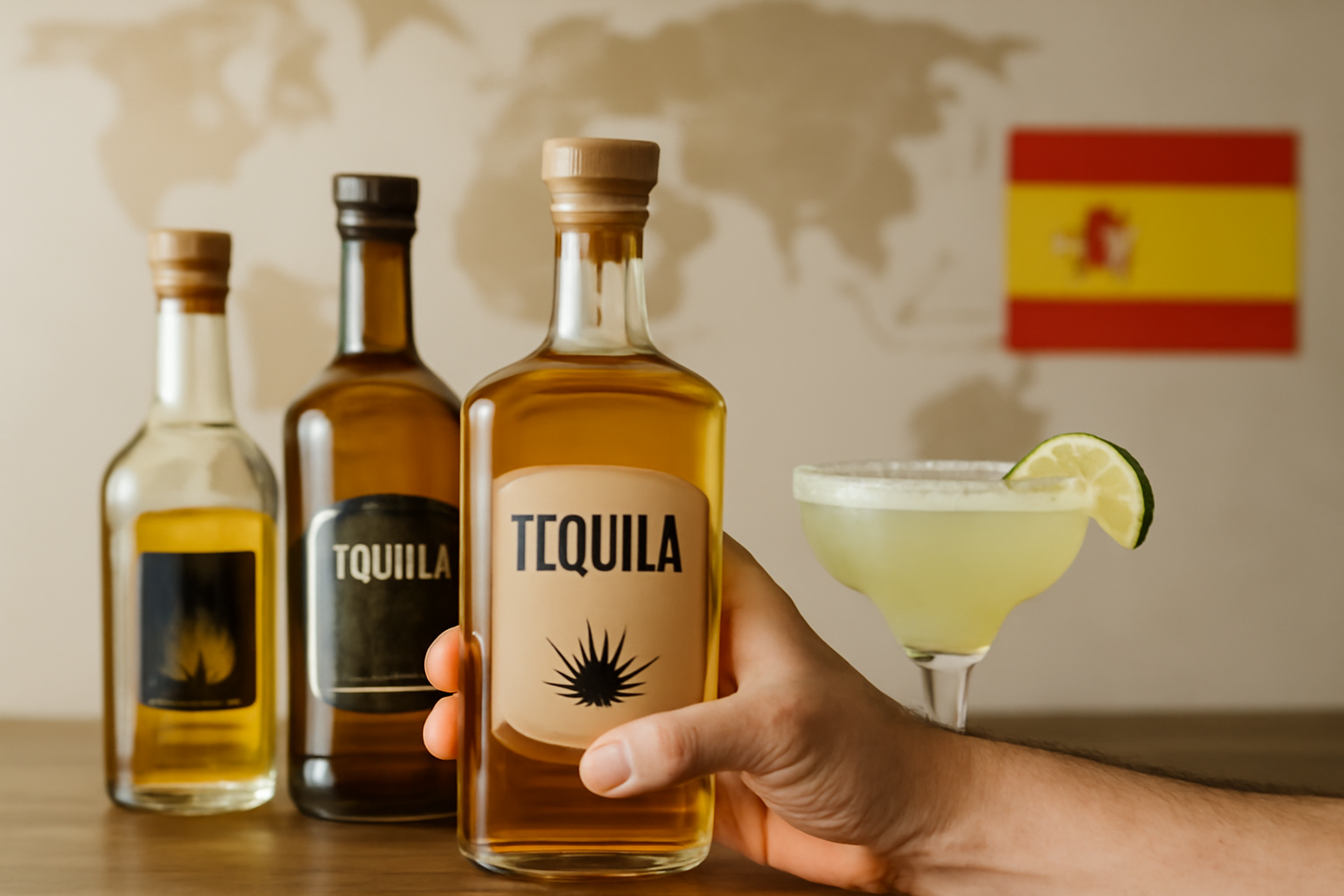
Spain moves behind the United States
Spain has emerged as the world’s second-largest tequila market after the United States, with more than 7 million liters arriving in the country in 2025, according to EL PAÍS. The reported volume places Spain in a leading position for a spirit that is attracting both established global suppliers and a new generation of premium producers.
The 2025 figure provides a clear measure of the market’s scale, although the available information does not specify the year-on-year growth rate, the value of the shipments or the division between retail and hospitality sales. It also does not identify the individual brands responsible for the largest volumes. Even so, deliveries exceeding 7 million liters indicate that Spain is no longer a secondary destination for tequila suppliers.
Large brands expand as premium labels enter
EL PAÍS reports that the expansion of major tequila brands is now being joined by artisanal and creator-led products. This broadens the market beyond volume growth alone. Large suppliers can compete through established distribution, marketing and availability, while smaller labels are likely to depend more heavily on product identity, specialist retailers and premium hospitality channels.
The coexistence of these segments creates different commercial opportunities. Mainstream brands benefit from scale and wider placement, while premium producers can seek higher-value sales among consumers interested in production methods, origin and distinctive positioning. Importers and distributors must therefore manage a portfolio that may range from widely available products to smaller-volume bottles requiring more explanation at the point of sale.
For bars, restaurants and specialist shops, the arrival of more differentiated tequila provides room to expand listings and price points. It may also increase competition for shelf space and menu placement. Suppliers entering Spain will need to decide whether to pursue broad distribution or concentrate on selected venues capable of supporting premium products.
Volume brings new questions for the supply chain
A market receiving more than 7 million liters in one year requires substantial coordination among producers, importers, logistics providers, distributors and hospitality operators. Inventory planning becomes particularly important when large brands and smaller artisanal labels are expanding at the same time. High-volume products need reliable replenishment, while premium bottles may turn more slowly and tie up more working capital.
The reported volume refers to tequila arriving in Spain and should not automatically be treated as final consumption. The source material does not provide figures for inventories, re-exports or unsold stock. Those distinctions matter to market analysts because shipment growth can run ahead of sales if distributors build inventories in anticipation of demand.
Spain becomes a priority market
Spain’s position behind the United States raises its strategic importance for tequila companies assessing international expansion. A market of this size can justify dedicated distribution agreements, stronger commercial teams and product launches designed specifically for local retail and hospitality buyers.
The next test will be whether the expansion can support both mass-market volume and the emerging premium artisanal category. Major brands have scale, recognition and distribution advantages. Smaller producers offer differentiation but face a more demanding route to market. For investors, importers and suppliers, sales value, inventory turnover and channel performance will now be as important as the headline volume of more than 7 million liters.