Spain’s Seafood Imports from Morocco Rise 49.6% by Volume Since 2018
Spain imported 137.2 million kilograms of fish and crustaceans from Morocco in 2025, up 49.6% from 2018. The growth is supporting supply for the Spanish market while intensifying concerns over falling domestic production, regulatory differences and pressure on fishing companies.
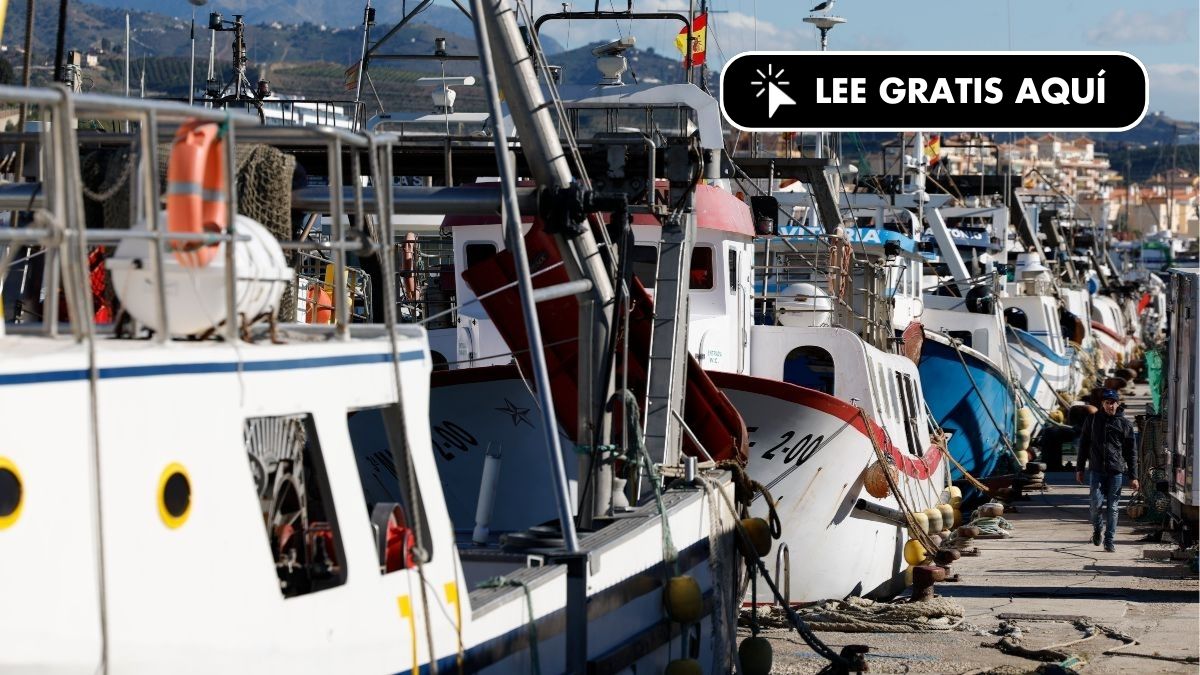
Import volume reaches a seven-year high
Spain increased its purchases of fish and crustaceans from Morocco by 49.6% between 2018 and 2025, according to Datacomex figures analyzed by THE OBJECTIVE. Import volume rose from 91.7 million kilograms in 2018 to 137.2 million kilograms in 2025, the highest level in the period examined.
The value of these shipments grew more slowly, rising 39.4% from €620.1 million to €864.6 million. The average import value declined from approximately €6.76 per kilogram in 2018 to €6.30 in 2025, a decrease of about 6.8%. Figures for 2024 and 2025 remain provisional.
The expansion was not continuous. Imports had already reached 137 million kilograms in 2021, before falling in 2022 and subsequently recovering. The value record was set in 2023, when Spanish purchases of Moroccan fish and crustaceans totaled €901.7 million.
Broader food trade deepens
Seafood forms part of a wider increase in Spain’s agricultural and food purchases from Morocco. Imports in this category advanced from €1.524 billion in 2018 to €2.223 billion in 2024, an increase of 46%, THE OBJECTIVE reported.
The larger seafood flow gives Spanish processors, distributors and retailers access to additional supply from a nearby producer whose catch volume exceeds Spain’s. Morocco also hosts significant investment by Spanish companies operating in its waters, making the commercial relationship important beyond direct border trade.
At the same time, Spain’s domestic fishery production stands at around 700,000 tonnes, according to Javier Garat, secretary-general of the Spanish Fishing Confederation, Cepesca. He linked the sector’s weakening output to the loss of vessels and crew under strict European restrictions. Cepesca argues that imported products do not always face the same social and environmental requirements as European fleets.
Fleet costs and regulation raise concerns
The historical fisheries agreement between the European Union and Morocco remains suspended after European courts annulled it because the Sahrawi people had not been consulted. A mandate exists to negotiate a new protocol that complies with the ruling, but Garat described the process as extremely complex. The absence of an operating agreement affects a market in which Spanish businesses have vessels and investments tied to Moroccan waters.
Cepesca has also raised concerns over swordfish caught with driftnets in Morocco and Algeria. The fishing method has long been prohibited in the European Union because of its environmental impact. Garat said the sale of such catches in the EU depresses swordfish prices and disadvantages European producers that comply with the bloc’s rules.
Pressure on the Spanish fleet is also coming from operating expenses. At a meeting with Agriculture, Fisheries and Food Minister Luis Planas, Cepesca and the Spanish Aquaculture Business Association, Apromar, called for extraordinary measures to address higher costs and declining profitability. Cepesca placed diesel at around €1.20 per liter and said some fleet segments were already reducing or suspending activity. For processors and buyers, Moroccan supply can ease procurement constraints; for Spanish fishing companies, its continued growth sharpens the debate over costs, access to waters and equal regulatory standards.