Spain’s roof tile and brick sector grows 5% to €755 million
Spain’s structural ceramics industry increased 2025 revenue by 5% to €755 million as production reached 5.7 million tonnes. Hispalyt says inadequate electricity infrastructure could hinder the sector’s planned shift toward electrified thermal processes.
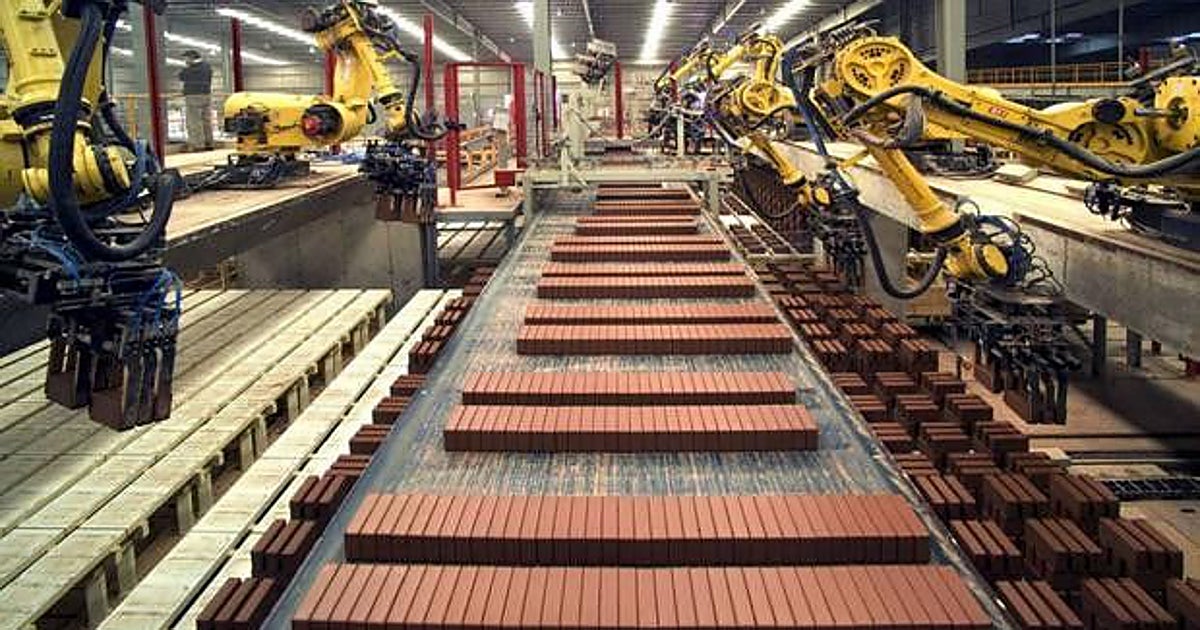
Production and revenue continue to rise
Spain’s roof tile and brick industry generated revenue of €755 million in 2025, an increase of 5% from the previous year, according to figures presented by the Spanish Association of Manufacturers of Fired Clay Bricks and Tiles, Hispalyt. National production across the industry’s different materials rose by 4.6% to 5.7 million tonnes.
Both indicators remained below their recent peaks in 2021, when production reached 6.3 million tonnes and revenue totaled €850 million. Hispalyt nevertheless described the latest figures as confirmation of continued growth, supported by stronger construction activity and demand for industrialized, sustainable and energy-efficient building solutions.
The industry employed a record 4,975 people in 2025, 2.0% more than in 2024. Female employment rose by 9.7%, from 620 to 680 workers, bringing women’s share of the total workforce to approximately 13%. The number of companies declined from 130 to 125, but the association said this consolidation did not prevent gains across the main activity indicators.
Consolidation lifts average company scale
The industry has changed substantially since 2014, when Spain had about 300 companies in the segment. Over the following 12 years, production increased by 46.2%, revenue by 115.7% and employment by 38.2%. Hispalyt said the rise in average company size reflected modernization, corporate concentration and improved competitiveness.
Exports reached €95.4 million in 2025, 120% above their 2014 level. The association characterized international activity as stable and said the figures pointed to a gradual recovery in overseas markets. Castilla-La Mancha remains Spain’s leading structural ceramics region, accounting for approximately 25% of national production and ranking ahead of Andalusia and the Valencian Community.
Domestic building activity remains the main demand driver. Housing starts increased by 8.8% to 139,016 units in 2025, their highest level since the financial crisis, while completed homes fell by 9.8% to 88,354. Starts involving renovation or rehabilitation rose by 2.9% to 27,410. Construction-sector forecasts cited at the Hispalyt congress indicate potential growth of up to 4.1% in 2026 and 4% in 2027.
Electricity networks emerge as a constraint
Hispalyt argues that increasing housing supply must be accompanied by better building quality, energy efficiency, safety, sustainability and durability. Industrialized construction was therefore a central subject at its 46th congress in Bilbao. This approach moves the manufacture of building components into controlled environments before their transport to construction sites for final assembly.
Decarbonization presents a more immediate industrial challenge. A Hispalyt study identified the electrification of thermal manufacturing processes as the principal short- and medium-term route for reducing emissions because alternative energy options still face significant constraints related to availability, technological maturity or cost.
The association warned that Spain’s existing electricity infrastructure cannot supply the power required for that transformation. It has asked public authorities to plan and develop urgent investment in energy networks, alongside access to sufficient renewable electricity. Hispalyt president Pedro Rognoni said decarbonization depends not only on manufacturers’ willingness to invest, but also on energy infrastructure expanding at the same pace as regulatory requirements. For producers, the timing and cost of that expansion will affect whether plants can cut emissions without losing competitiveness.