Spain, Romania and Germany Lead Poland’s Cucumber Imports in First Half of 2026
Poland imported 48,870 tonnes of cucumbers and gherkins worth PLN 343.26 million in the first half of 2026. Spain led total deliveries, while Romania became the dominant supplier in June.
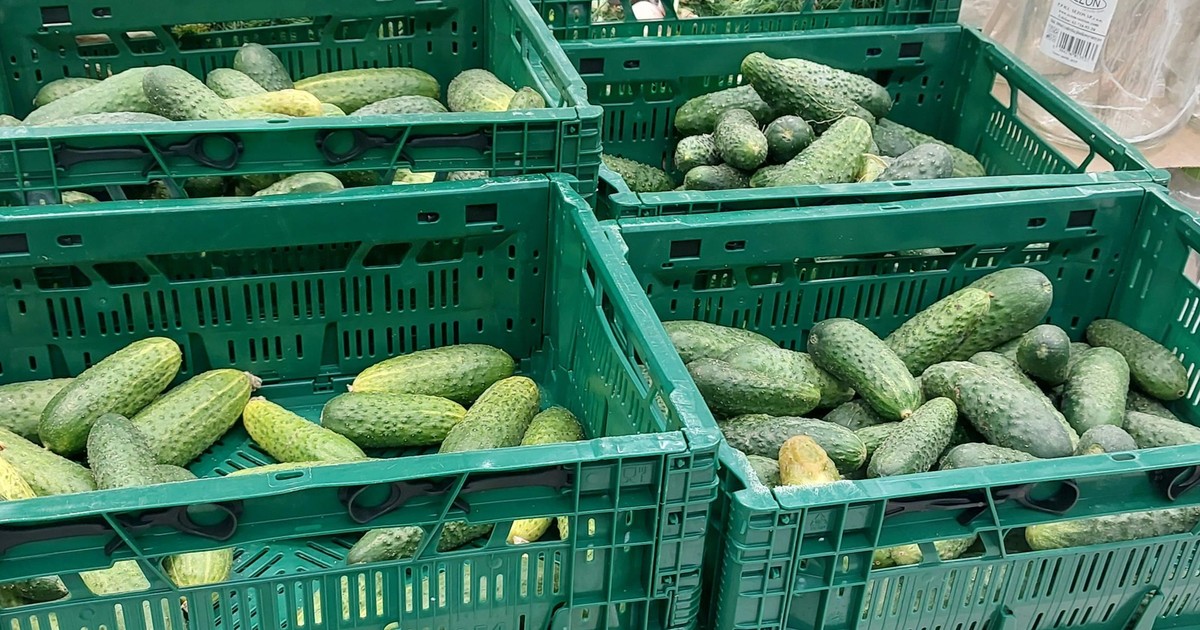
Imports reach 48,870 tonnes
Poland imported 48,870 tonnes of cucumbers and gherkins between January and the end of June 2026, according to Statistics Poland data cited by the vegetable industry portal warzywa.pl and reported by Fakt. The shipments were valued at PLN 343.26 million, underlining the role of foreign supply in a market where cucumbers are consumed fresh as well as pickled.
Imports allow Polish traders and buyers to cover periods when domestic greenhouse and field-grown cucumbers are not yet available in sufficient quantities. The cumulative volume stood at 37,980 tonnes at the end of April. A further 3,810 tonnes entered Poland in May and 7,070 tonnes in June.
Spain leads the first-half ranking
Spain was Poland’s largest supplier in the first half of 2026, shipping 12,160 tonnes. That represented almost one quarter of total cucumber and gherkin imports during the period. Romania ranked second with 7,580 tonnes, narrowly ahead of Germany at 7,340 tonnes.
The Netherlands and Turkey were also significant suppliers. Poland imported 4,980 tonnes from the Netherlands and 3,320 tonnes from Turkey. Together, these origins show that Polish buyers source from both European greenhouse producers and suppliers in warmer growing regions.
The figures point to a diversified supplier base, but the three leading origins accounted for a substantial part of the market. Spain’s first-half position reflects its importance in supplying vegetables outside the main Polish field-production window, while Romania and Germany gained particular relevance as the season advanced.
Romania takes the lead in June
The supplier mix changed sharply in June. Spain delivered only 195 tonnes during the month, while shipments from Romania reached 3,620 tonnes. Romania consequently accounted for more than half of Poland’s cucumber imports in June. Germany supplied another 1,570 tonnes.
Smaller June volumes came from the Czech Republic, Albania and Austria. Czech suppliers shipped 426.8 tonnes, Albania delivered 356.4 tonnes and Austria supplied 206.7 tonnes. These flows supplemented the much larger Romanian and German consignments as Spanish deliveries declined.
Romania recorded the strongest acceleration. Its June shipments alone were more than three times the volume supplied from January through April. Combined Romanian deliveries in May and June reached 6,420 tonnes, meaning that most of the country’s first-half total arrived during those two months.
The monthly shift illustrates how Poland’s import requirements change alongside regional harvest calendars and domestic availability. Spain remained the leading origin across the full six-month period, but Romania became the main source at the start of summer. For growers, processors and fresh-produce traders, the timing of these flows is as important as the annual ranking: concentrated arrivals can alter short-term availability and competition just as Polish field production enters the market.