Spain Restarts Pork Exports to the Philippines as Officials Resume Talks
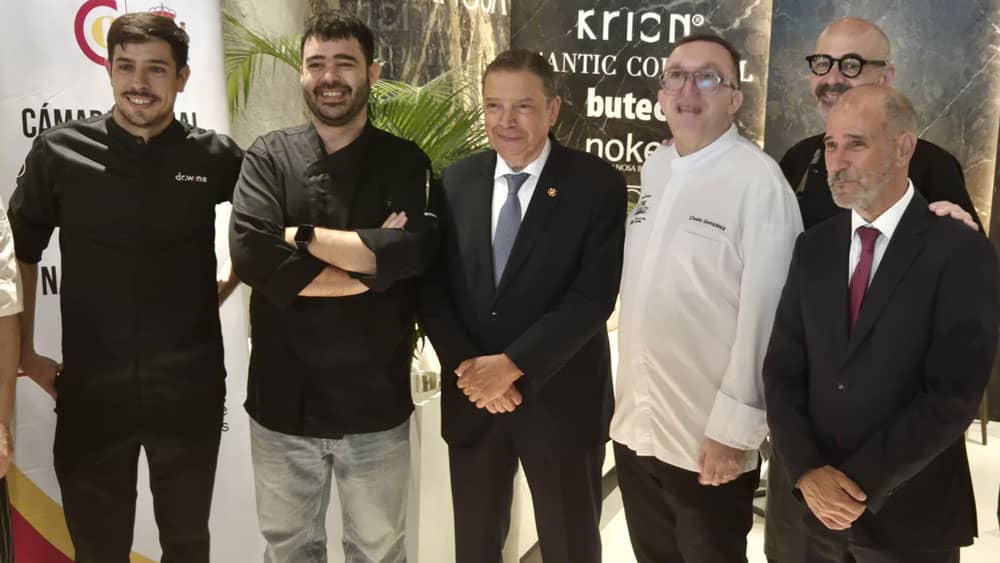
The Philippines has reopened its market to Spanish pork, restoring an outlet for Spain’s meat industry. Spanish official Planas met his Philippine counterpart following the restart, as exporters assess renewed commercial opportunities.
Philippine market reopens to Spanish pork
Spain has restarted pork exports to the Philippines, restoring access to an Asian destination for Spanish producers, processors and meat traders. Eurocarne reported the reopening alongside a meeting between Spanish official Planas and his Philippine counterpart. The available information does not specify the date of the restart, the establishments authorized to ship, the products covered or the expected volume of trade.
The reopening removes an immediate barrier to bilateral pork flows, but commercial recovery will depend on the practical conditions applied to shipments. Exporters will need clarity on eligible plants, veterinary certificates, product requirements and customs procedures before they can turn formal market access into regular sales. Importers in the Philippines will also have to decide how Spanish offers compare with supplies already available from competing origins.
For Spain’s pork industry, the Philippines can provide another destination for balancing carcass value across different products. Overseas markets are relevant not only for primary cuts but also for the broader range of pork items generated by slaughtering and processing. The source material does not identify which categories have been reopened, so it remains unclear whether the initial benefit will extend across the product mix or remain limited to particular goods.
Officials focus on implementation
Planas’s meeting with his Philippine counterpart places the export restart within a government-to-government framework. Such contact can help address the administrative and sanitary details that determine whether shipments move without disruption. However, the reported reopening alone does not establish how quickly orders will return or whether trade will recover to any previous level.
Spanish suppliers must now rebuild commercial schedules with Philippine buyers and confirm that documentation meets the conditions imposed by the destination market. Processors may also need to coordinate production, cold storage and shipping capacity around the specifications requested by importers. For buyers, renewed Spanish access expands the pool of potential suppliers and may provide more flexibility in sourcing individual cuts and processed pork products.
The development also affects suppliers competing for Philippine demand. Spanish exporters return to a market where purchasing decisions will still reflect price, freight costs, product availability, delivery times and veterinary compliance. No price, tariff or freight data were included in the source material, preventing a numerical assessment of Spain’s competitiveness against other origins.
Trade recovery depends on actual shipments
The next evidence of the reopening’s impact will come from export approvals, contracts and physical cargoes rather than the policy announcement itself. Regular shipments would demonstrate that the technical requirements are workable for both Spanish sellers and Philippine buyers. Delays or narrow product eligibility could limit the immediate effect even though formal access has been restored.
For industry participants, the key questions are therefore operational: which companies and plants can export, which pork products qualify and how consistently import permits and health documents are processed. Until those details and trade volumes become available, the restart should be viewed as restored commercial access rather than proof of a full recovery in bilateral pork trade.