Spain’s EV sales hit record as domestic vehicle production loses momentum
Spain registered 1,369,095 new vehicles as demand rose 12.3%, while battery-electric sales exceeded 100,000 units for the first time. The market recovery contrasts with weaker factory activity caused by slowing demand across Europe.
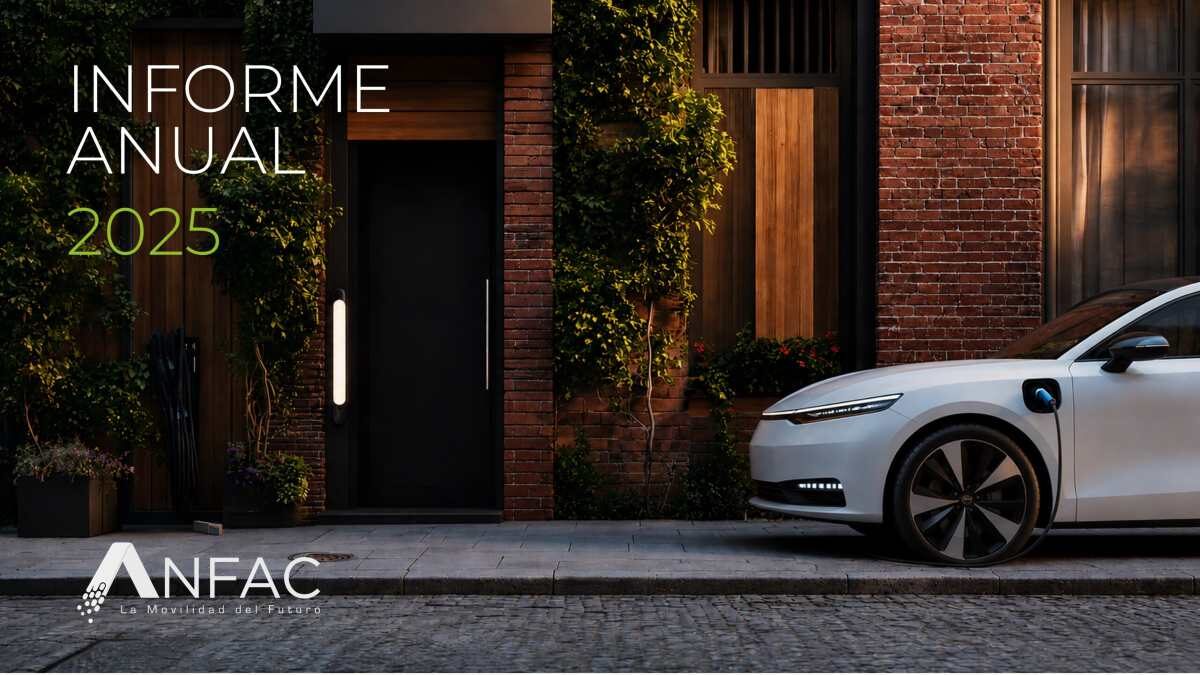
Vehicle demand returns to Spanish showrooms
Spain’s automotive market is moving in two different directions. New-vehicle registrations are growing strongly, led by private buyers and electrified cars, while the country’s factories are reducing production as demand weakens across Europe.
According to Autofácil, citing the Spanish Association of Automobile and Truck Manufacturers, ANFAC, registrations of new vehicles increased by 12.3% to 1,369,095 units. Passenger-car registrations reached 1,148,650, moving comfortably above the one-million mark.
Private buyers were the main source of growth. Registrations through the private channel rose by 18.1% from the previous year, indicating that households and individual drivers are returning to the market after several years of uncertainty. Even so, annual sales remain around 100,000 units below the level recorded before the pandemic in 2019.
Battery-electric sales pass 100,000 units
Electrification accounted for a growing share of this recovery. Sales of battery-electric vehicles rose by 76.2% and exceeded 100,000 units in a year for the first time in Spain. The result marks a significant expansion of a segment that had previously remained relatively small within the national market.
When battery-electric cars and plug-in hybrids are combined, electrified vehicles represent nearly one in every five new passenger cars sold in Spain. Models including the Tesla Model 3 have helped lead the shift. The change in the sales mix is also affecting the emissions profile of new vehicles: average carbon dioxide emissions from newly registered cars declined by 10.8% to 103 grams per kilometre.
The figures give dealers and importers access to a faster-growing market for electrified models. They also increase pressure on manufacturers to supply vehicles at competitive prices and maintain a product range suited to Spanish consumers. However, stronger registrations do not automatically translate into higher production at Spanish plants because many vehicles sold domestically may be sourced from factories elsewhere.
Factories face weaker European demand
Autofácil reports that Spain’s major vehicle factories have reduced their pace because the wider European market has lost momentum. This creates a sharp contrast between busy dealerships and quieter assembly lines. Spain’s manufacturing base depends on demand beyond its domestic market, leaving plant activity exposed when sales weaken in other European countries.
The divergence matters for manufacturers, component suppliers and logistics companies. Domestic registrations are recovering, but they remain below the pre-pandemic benchmark, while the strongest growth is occurring in technologies that require factories and supply chains to adapt. For Spain’s automotive industry, the central challenge is therefore not only selling more electrified cars, but connecting that demand with competitive domestic production. Without such a link, growth in the showroom can coexist with lower utilisation of Spanish manufacturing capacity.