Spain rebuilds strategic oil reserves above 100 days of consumption
Spain has restored its strategic petroleum reserves to more than 100 days of consumption after earlier extraordinary releases. The stock level now exceeds the mandatory 92-day threshold, giving the country an additional supply buffer.
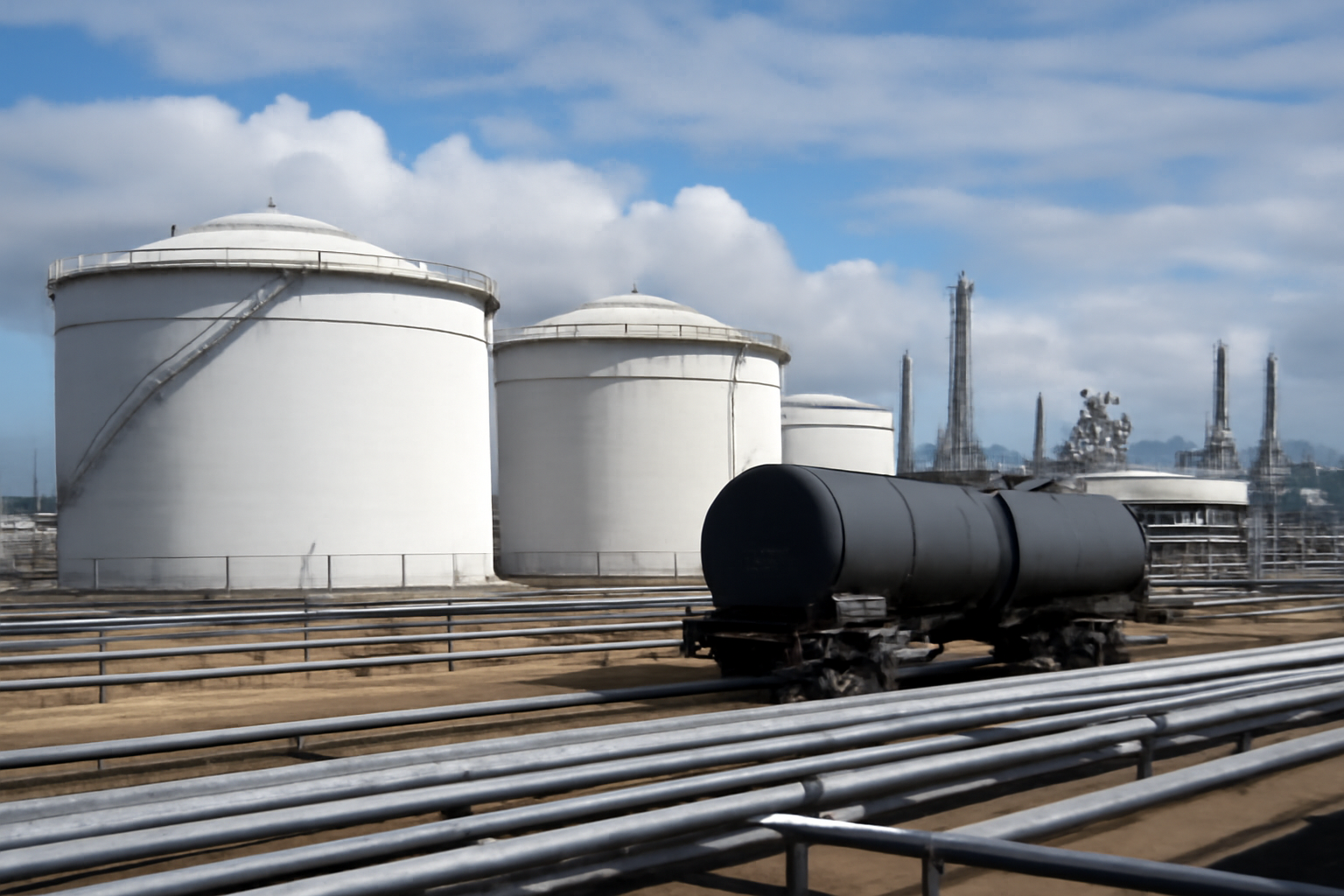
Stocks return above the statutory minimum
Spain has rebuilt its strategic petroleum reserves to a level equivalent to more than 100 days of national consumption, according to El Economista. The recovery takes the country above its mandatory reserve requirement of 92 days and restores part of the supply cushion used during earlier extraordinary releases.
The difference between the current level and the statutory threshold is at least eight days of consumption. The reported figure does not mean that Spain can operate normally for a fixed period without any new oil supply: actual coverage would depend on demand, the composition and location of stocks, and the speed at which stored petroleum can be made available. It nevertheless provides a clear measure of the buffer held against an interruption.
Replenishment follows emergency releases
The rebuilding marks a shift from drawing on emergency inventories to replenishing them. Extraordinary releases put stored petroleum into the market when additional supply was considered necessary. Restoring those volumes requires purchases and storage activity, returning inventories to a level that can support another response if supply conditions deteriorate.
For refiners, fuel distributors and storage operators, a reserve level above the legal minimum creates more operational room than a position close to 92 days. The stocks remain a security instrument rather than ordinary commercial inventory. Their value lies in the ability to supplement market supply during disruption, while normal procurement and distribution continue wherever possible.
A larger buffer for an import-dependent market
The replenishment strengthens Spain's capacity to manage short-term petroleum supply risks. A reserve exceeding 100 days gives policymakers a wider margin when deciding whether and how quickly to authorize another release. It can also reduce the immediate pressure to intervene at the first sign of disruption, although strategic inventories cannot replace sustained market supply.
For oil traders and importers, the higher reserve figure is relevant to Spain's potential response to future shortages. The existence of additional stocks may affect the timing and scale of emergency purchases or releases, but it does not by itself determine crude or fuel prices. Those will continue to reflect international supply, demand, transport availability and the product mix required by the domestic market.
The next issue for the sector is whether Spain maintains the cushion above 100 days or allows the coverage ratio to move closer to the 92-day requirement as consumption and inventory levels change. El Economista's report establishes that the rebuilding phase has already carried reserves beyond both the mandatory threshold and the headline benchmark of 100 days. For market participants, that means Spain enters the next potential supply disruption with a larger buffer than it held immediately after the extraordinary releases.