Spain imposes, then lifts, nationwide poultry confinement over bird flu
Spain's Ministry of Agriculture ordered mandatory confinement of all free-range poultry farms from 13 November to curb avian influenza, before easing and fully lifting the order on 16 April. Industry group Unións Agrarias said egg prices rose 16% to 18% in some areas but called such increases speculation, warning of no shortage or health risk.
Nationwide confinement order
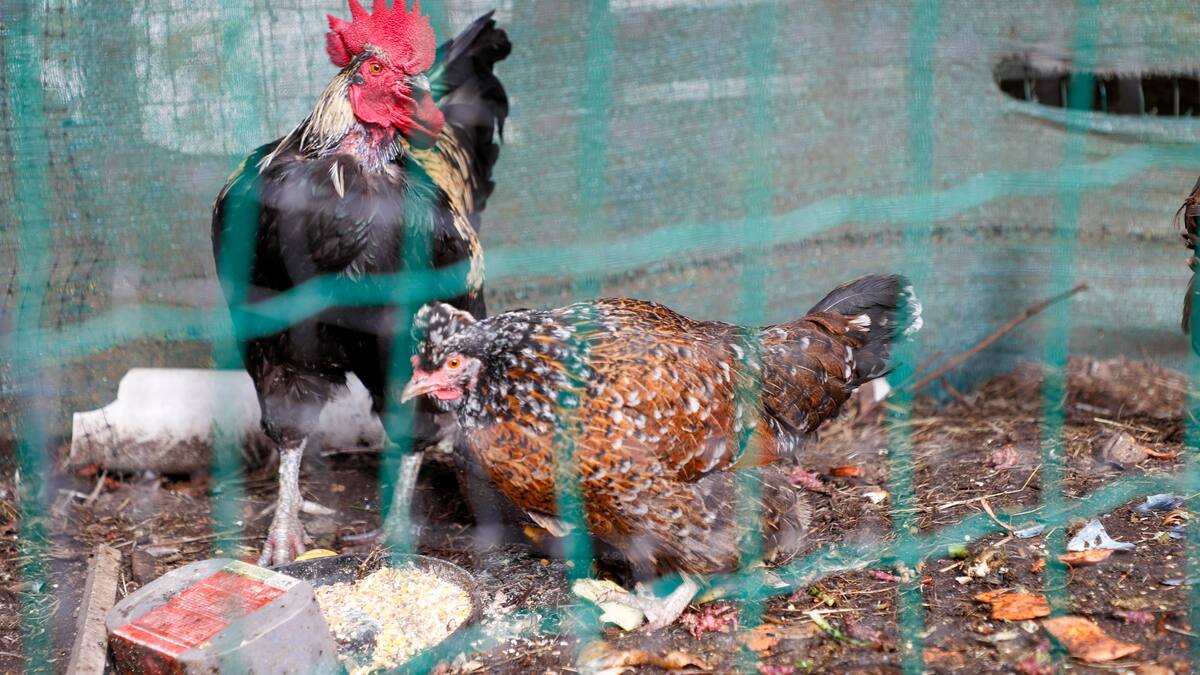
Spain's Ministry of Agriculture, Fisheries and Food (MAPA) ordered the mandatory confinement of all free-range poultry farms across the country, a preventive step to slow the spread of avian influenza after cases among wild birds rose in recent weeks, according to Cadena SER. The order, effective 13 November, extended nationwide the restrictions that had applied since the previous Monday to parts of Galicia, and in particular several municipalities in the province of A Coruña.
The stated aim is to prevent contact between domestic birds and potentially infected migratory birds during one of the year's peak periods of southward migration. Officials expected the measure to remain in force for at least a month, with the first fortnight of December seen as decisive for assessing how the situation evolves. Regional authorities could authorise bird gatherings only for animals from the same region and only after a health assessment.
Impact on free-range producers
The confinement weighs most heavily on free-range laying-hen operations, which had to move birds temporarily back into enclosed spaces. Many farms invested in recent years to convert to free-range and animal-welfare systems, making the reversal significant, Cadena SER reported. Broiler chicken production, already carried out in captivity, continued as usual.
Roberto García, secretary general of Unións Agrarias, told Radio Coruña that the rules are an animal-health matter with no bearing on food safety, and that there is no risk to human health or to the supply of eggs and meat. He said any affected farm faces the total slaughter of its flock, which brings severe economic damage and long delays before normal activity can resume. Avian influenza, he noted, is transmitted mainly from wild birds to poultry.
Warnings over egg and meat prices
While the adjustment could justify slight market variations, García warned there was no real basis for the 16% or 18% egg price increases already seen in some locations. He said an "alarm effect" was being created and that some operators were using it to speculate, with no shortage and no cost increase to justify such rises. García added that the word "confinement" itself could convey a sense of danger that does not match the health reality, and argued it was preferable to act firmly over a short period than to apply small, prolonged measures.
Partial and full lifting
The government later removed the restrictions in stages. In a partial easing, the Ministry insisted on reinforcing biosecurity and surveillance at poultry farms. It then lifted the confinement measures still in force across Spain from Thursday, 16 April. Avian influenza is not new to the sector, which has dealt with similar episodes for almost a decade, but more outbreaks were detected among wild birds this year, prompting authorities to act earlier and more firmly. The dual challenge now, according to Cadena SER, is to contain the virus while preventing unjustified speculative moves in the market for eggs and poultry meat.