Spain plans €0.10 deposit for plastic bottles, cans and beverage cartons
Spain plans to introduce a €0.10 deposit on plastic beverage bottles, cans and beverage cartons of up to three litres. The return system, provisionally expected in November 2026, will create new collection, labelling and reimbursement obligations across the supply chain.
Collection shortfall triggers deposit system
Spain plans to introduce a €0.10 deposit on drinks sold in plastic bottles, cans and beverage cartons of up to three litres. Diario Sur reports that the Deposit, Return and Refund System, known in Spain as SDDR, is provisionally expected to begin operating in November 2026, although some implementation details have yet to be finalised.
The measure follows Spain’s failure to meet the European Union target for the separate collection of single-use plastic bottles of up to three litres. The target for 2023 was 70%, but Spain collected 42.3%, according to data from the Ministry for the Ecological Transition cited by Diario Sur. That shortfall activated a provision in Royal Decree 1055/2022 on Packaging and Packaging Waste, which implements Waste Law 7/2022. The system is intended to help Spain move towards the EU objective of separately collecting 90% of plastic bottles by 2029.
Deposit will pass through the supply chain
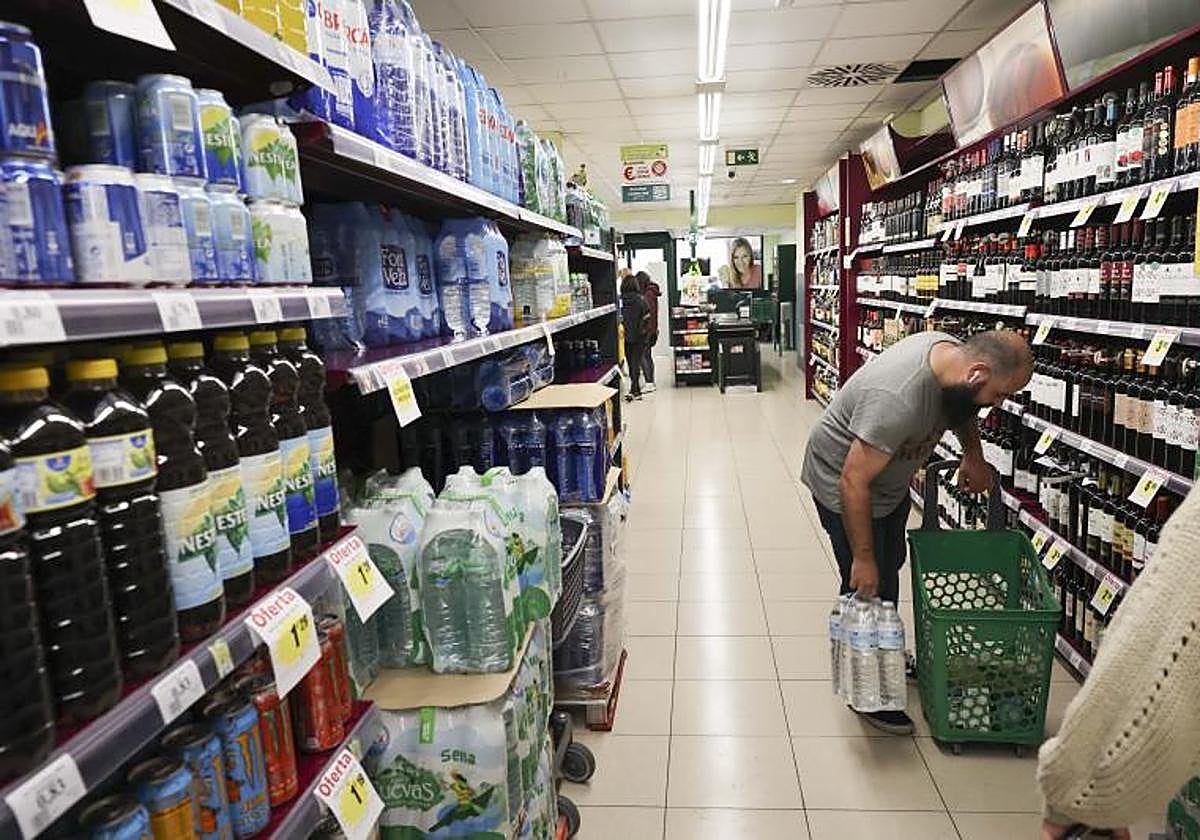
Manufacturers, distributors and retailers will be required to charge the deposit when selling covered products. The amount will pass through each stage of the commercial chain before reaching the final consumer. It will apply whether the beverage is purchased in a physical shop, online or from a vending machine, and the deposit must appear in the final bill for every individual container.
A six-pack of milk cartons, for example, would carry a total deposit of €0.60, calculated at €0.10 for each carton. Covered packaging will have to be clearly marked with a symbol or with the Spanish word “retornable”. Brands will also need to register an EAN barcode specific to Spain or use a QR code for products sold within the Spanish system. These requirements will affect packaging artwork, product registration and inventory management for beverage producers and packaging suppliers serving the market.
Retailers will handle returns and refunds
Consumers will recover the deposit by returning the empty container in acceptable condition. A retailer must retain a damaged container for recycling but will not be required to refund the deposit if it has structural damage, cracks, severe deformation, extreme dirt, persistent odours, physical alterations or an unreadable or removed barcode. Normal beverage residue and slight crushing or denting should not be grounds for rejection, because the rules require manufacturers’ preservation conditions to be proportionate and not discourage returns.
Containers will not necessarily have to be returned to the shop where they were purchased. A retailer must accept containers corresponding to products, formats or brands that it also sells. This limitation is intended to protect small shops: a business selling only 500-millilitre water bottles, for example, would not have to accept a three-litre container. Supermarkets and large shopping centres are therefore likely to handle a broader range of returns.
Refund channels are still being defined
Other European markets use reverse-vending machines that scan a container’s barcode and issue a ticket or voucher for the accumulated deposit. Diario Sur says Spain has not yet finalised all operational details. Potential refund methods, based on systems used elsewhere, include cash at the checkout, a discount against another purchase, credit to a supermarket customer account, a bank-card payment, Bizum or a digital wallet.
For producers and retailers, the timetable leaves a limited period to prepare packaging identifiers, Spain-specific product codes, collection points, staff procedures and refund infrastructure. Consumers will face a higher payment at purchase but can recover the full deposit by returning eligible containers. The commercial effect will depend on the final operating rules, particularly how returns are processed and how responsibilities and costs are allocated among manufacturers, distributors and stores.
Full market analysis