Spain’s imports of Moroccan clementines surge 442% in a year
Spanish purchases of Moroccan clementines increased 442% year on year during the first five months. Morocco supplied 50.44% of Spain’s imported clementines as domestic mandarin growers faced declining acreage and profitability.
Morocco takes half of Spain’s import market
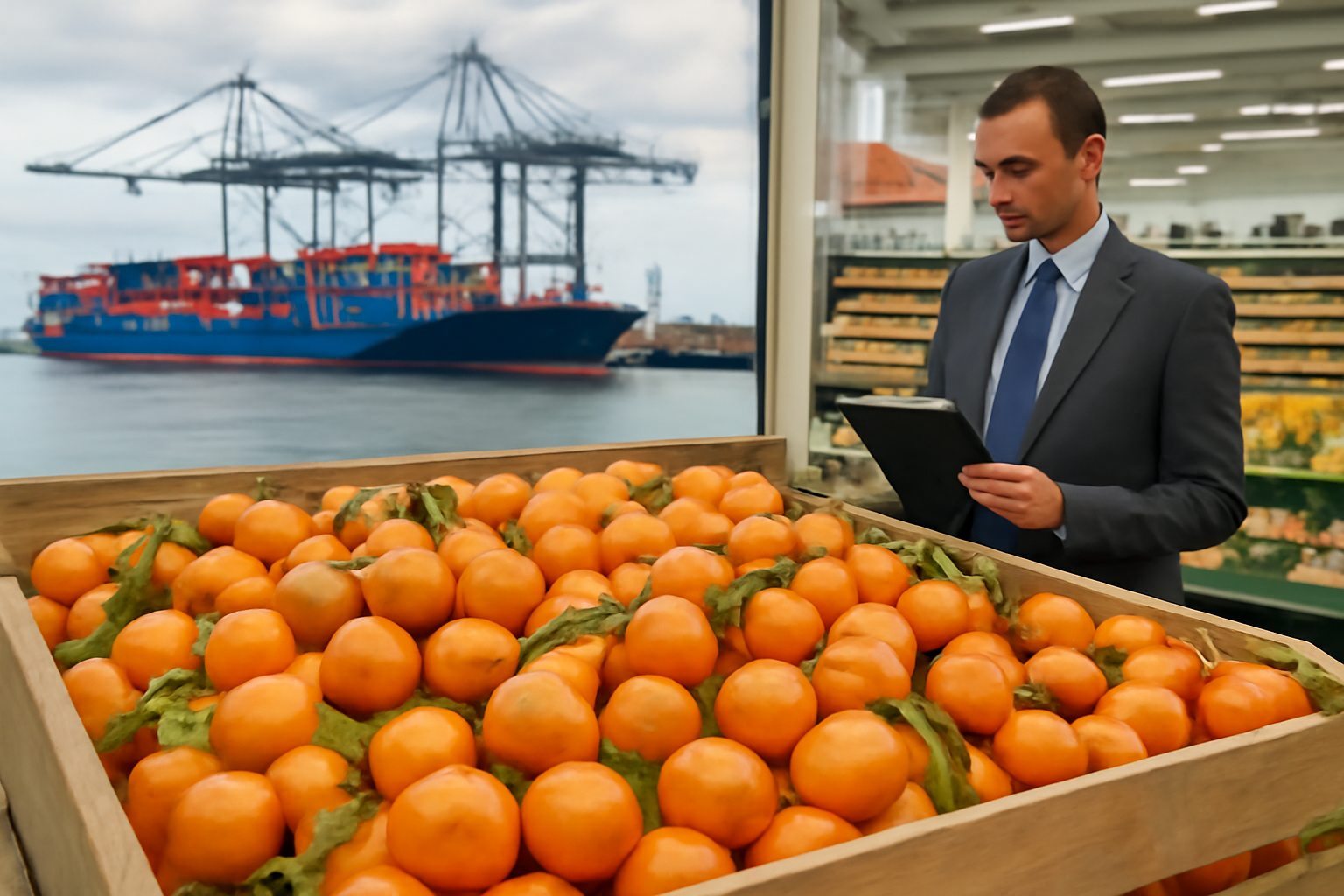
Spain’s purchases of Moroccan clementines increased 442% in a single year, sharply expanding Morocco’s position in the Spanish citrus market. During the first five months of the year, the North African country accounted for 50.44% of all clementines imported by Spain, according to La Gaceta.
The figures show that Morocco is no longer a marginal supplier to the Spanish market. More than half of imported clementines now come from one neighboring producer, giving Moroccan fruit a central role in the imported segment and increasing its relevance for Spanish wholesalers, retailers and citrus processors.
The available figures do not specify import volumes, values or prices. They nevertheless point to a rapid change in sourcing: a 442% annual rise means Spanish buyers substantially increased their reliance on Moroccan supply over a short period.
Pressure grows on Spanish mandarin producers
The increase comes as Spain’s mandarin sector is losing cultivated area and profitability, La Gaceta reported. That combination raises concern for domestic producers because the expansion of imported clementines is occurring while the local production base is already under pressure.
Clementines belong to the broader mandarin category and compete in the same fresh-fruit channels. A larger imported presence can therefore affect negotiations between growers, packing companies and buyers, particularly when domestic producers are trying to cover cultivation, harvesting and handling costs with weaker returns.
The import share alone does not establish how Moroccan fruit affected Spanish farm-gate prices. It does, however, show the scale of the competitive shift within the imported market. For Spanish operators, the commercial question is whether the increase supplements domestic supply or displaces sales during periods when locally grown fruit is available.
Third-country competition concerns EU growers
The surge has added to wider concerns among European farmers about fruit and vegetable arrivals from countries outside the European Union. Growers argue that products entering the EU market should compete under conditions comparable to those applied to European production.
For importers and distributors, Morocco offers a nearby source of clementines for the Spanish market. For growers, the same proximity creates direct competition in a product that Spain already produces domestically. The concentration of 50.44% of imports in one origin also makes purchasing patterns, crop availability and market conditions in Morocco increasingly important to Spanish buyers.
The 442% increase will intensify scrutiny of production standards and competition rules, but the figures provided do not demonstrate a breach of EU requirements. They document a major expansion in trade and a growing Moroccan share of Spain’s clementine imports at a difficult moment for the country’s mandarin orchards.