Spain Mobilizes More Than €21.173 Billion to Build a European Electromobility Hub
Vehicle manufacturers, battery producers and public authorities are mobilizing more than €21.173 billion to transform Spain’s automotive industry. The investment drive aims to establish the country as a European electromobility hub, although the available information does not provide a project-by-project breakdown.
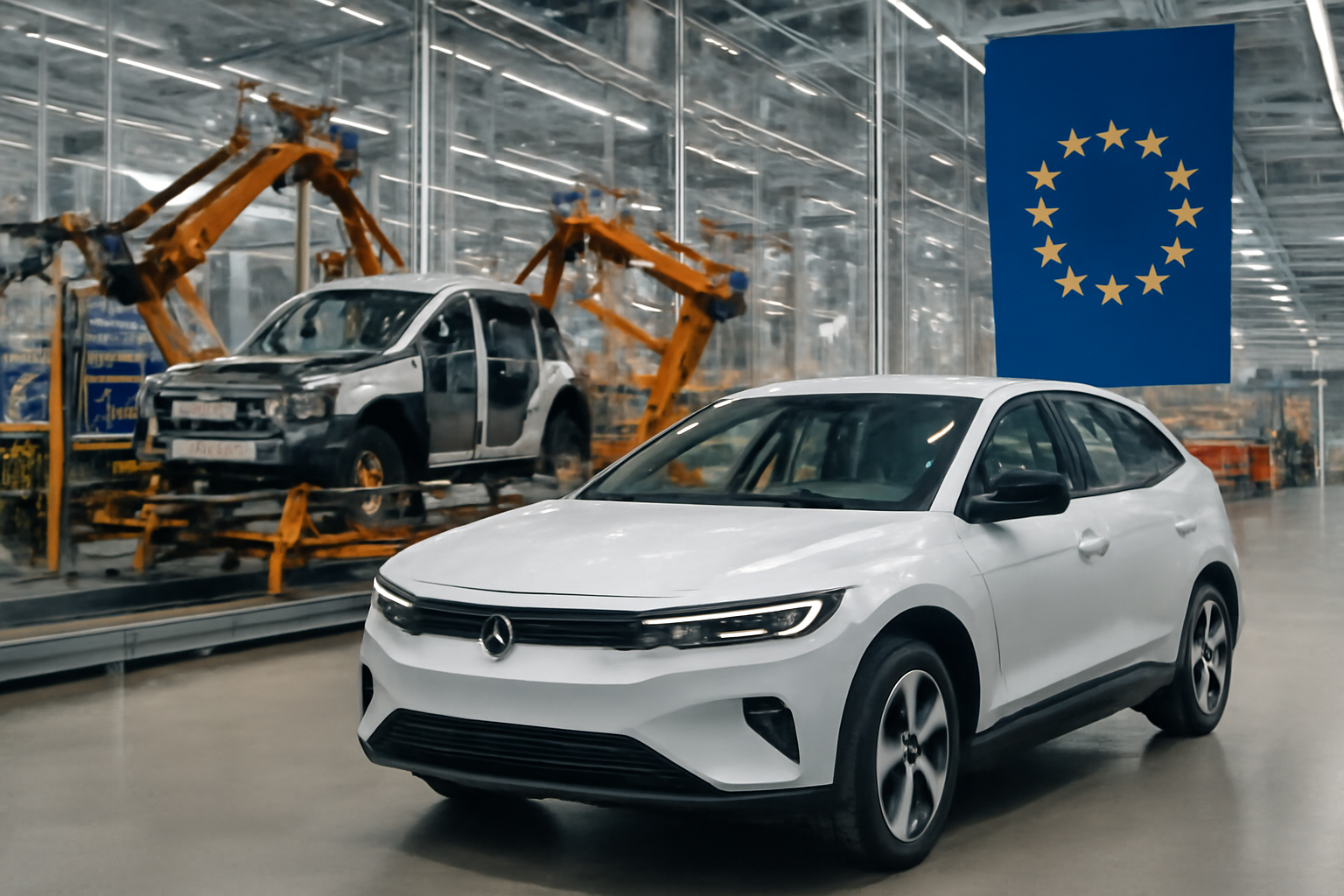
Industry and government mobilize capital
Spain’s automotive transformation is mobilizing more than €21.173 billion from vehicle manufacturers, battery producers and public authorities. The combined commitment is intended to create a European electromobility hub and give the country a larger role in the industrial chain supporting electric vehicles.
The figure brings together private-sector and public-sector investment rather than describing a single program. The available information does not identify the individual projects, their respective budgets or the timetable for deploying all the capital. It nevertheless indicates that Spain’s transition is being pursued across several connected parts of the industry, from vehicle assembly to battery production and government-backed industrial development.
For manufacturers, the central issue is whether investment can preserve Spain’s position as automotive demand shifts toward electric vehicles. Assembly operations increasingly depend on access to batteries and on coordination between vehicle plants, component suppliers and public infrastructure. Mobilizing capital across those areas can make Spain more competitive when companies decide where to assign future electric models and related production.
Batteries become a strategic part of the chain
The participation of battery producers is significant because batteries are a central physical input in electric-vehicle manufacturing. Locating battery capacity closer to vehicle factories can shorten supply routes and improve coordination between cell, battery-pack and automobile production. It can also increase the share of manufacturing value retained within Spain rather than leaving assembly plants dependent on distant suppliers.
However, an investment headline alone does not establish how much battery capacity will be built or when it will become operational. The material provided does not specify production volumes, plant locations, technology choices or the companies’ individual contributions. Those details will determine whether the planned spending creates an integrated industrial cluster or a collection of separate projects.
Component producers and machinery suppliers will watch the allocation closely. New vehicle and battery plants can generate orders for production lines, automation systems and specialized components, while existing suppliers may need to adapt products and processes designed for combustion-engine vehicles. The scale of the announced mobilization suggests a broad industrial effort, but its effect on individual companies will depend on procurement decisions and execution.
Execution will determine Spain’s European position
Public authorities are part of the funding effort, showing that electromobility is being treated as an industrial-policy priority as well as a corporate investment cycle. Government participation can support projects that require coordination across manufacturing, energy and infrastructure. It also puts greater emphasis on how public money is allocated and whether it attracts additional private investment.
The stated objective is European in scope: Spain wants to become a hub serving the continent’s electromobility market. Success will depend on converting more than €21.173 billion of mobilized investment into operating factories, competitive output and durable supplier relationships. Until project budgets, construction schedules and capacity targets are disclosed, the figure should be read as the scale of the commitment rather than as completed industrial capacity.