Spain loses 14,300 farms as rice growers receive €0.38 per kilo
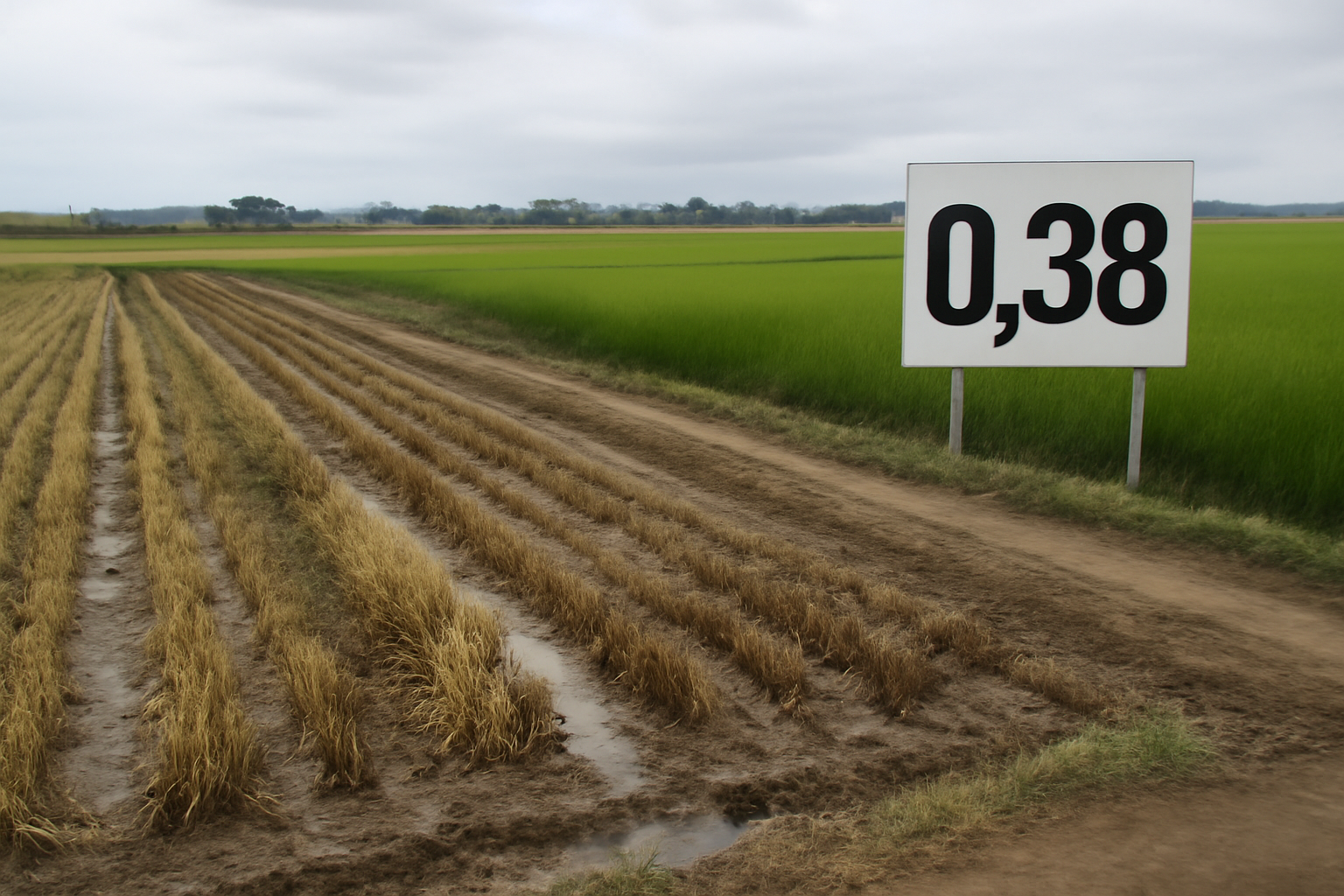
Spain’s agricultural sector has lost 14,300 farms amid mounting pressure on independent producers. Rice farmers receive €0.38 per kilogram for a product sold in supermarkets at €2.50, highlighting the imbalance across the value chain.
Farm closures deepen Spain’s agricultural crisis
Spain has lost 14,300 agricultural holdings as pressure intensifies on the country’s independent farmers. The contraction points to a broader problem of farm viability, with primary producers struggling to retain enough value from the food they supply to sustain their operations.
Rice illustrates the imbalance. A self-employed agricultural producer receives €0.38 per kilogram, while the same product is sold in supermarkets for €2.50 per kilogram. The retail price is more than six times the amount paid to the farmer, although the difference cannot be treated entirely as profit because rice must pass through processing, packaging, transport, distribution and retail before reaching consumers.
Even with those additional costs, the scale of the gap raises questions about how value and bargaining power are distributed along the supply chain. Farmers generally negotiate at the beginning of that chain, where an individual producer has limited influence over the price. Processors, distributors and retailers operate closer to the final consumer and have greater control over product presentation, logistics and commercial terms.
Rice growers face a difficult commercial equation
A farmgate price of €0.38 per kilogram leaves producers with little room to absorb increases in operating costs or a weak harvest. The available source material does not provide production-cost figures, so it is not possible to calculate the growers’ precise margin. However, the closure of 14,300 farms shows that the viability problem extends beyond a theoretical comparison between farm and supermarket prices.
The consequences matter to the entire rice chain. When farms disappear, processors and traders may face a smaller or more concentrated domestic supply base. Surviving growers can gain importance as suppliers, but they may also shoulder more production risk if the number of active farms continues to fall. Retailers, meanwhile, remain exposed to public scrutiny whenever the difference between producer and shelf prices becomes especially visible.
The €2.50 supermarket price also affects consumer perceptions. Shoppers see the final packaged product, while the farmer’s contribution is embedded within a chain of services and commercial margins. Greater transparency over processing, packaging, logistics and retail costs would make it easier to determine where the largest share of the price difference arises.
Loss of farms could reshape domestic supply
The disappearance of 14,300 holdings signals a structural reduction in the number of businesses producing agricultural goods in Spain. Farm closures can lead to consolidation if land and production move to larger operators. They can also result in lost output when no successor or buyer continues the activity. The source does not specify which outcome predominates.
For producers, the immediate issue is whether the price received covers the full cost and risk of cultivation. For processors and traders, the concern is continuity of supply. For investors and lenders, the widening divide between the farmgate and retail value of rice underscores the need to examine who captures revenue at each stage rather than relying on the shelf price as an indicator of farm profitability.
Spain’s farm crisis is therefore not defined only by the €0.38 paid for a kilogram of rice or the €2.50 charged by supermarkets. The more consequential figure is the loss of 14,300 farms. It shows that a growing number of agricultural businesses have already left the market while the debate over value distribution continues.