Spain’s grid bottlenecks push curtailed solar power to record 1.2 TWh
Spain discarded a record 1.2 TWh of electricity in June 2026 as rapid photovoltaic expansion outpaced grid capacity, storage and daytime demand. Falling capture prices and rising system costs are putting pressure on project debt, valuations and investment decisions.
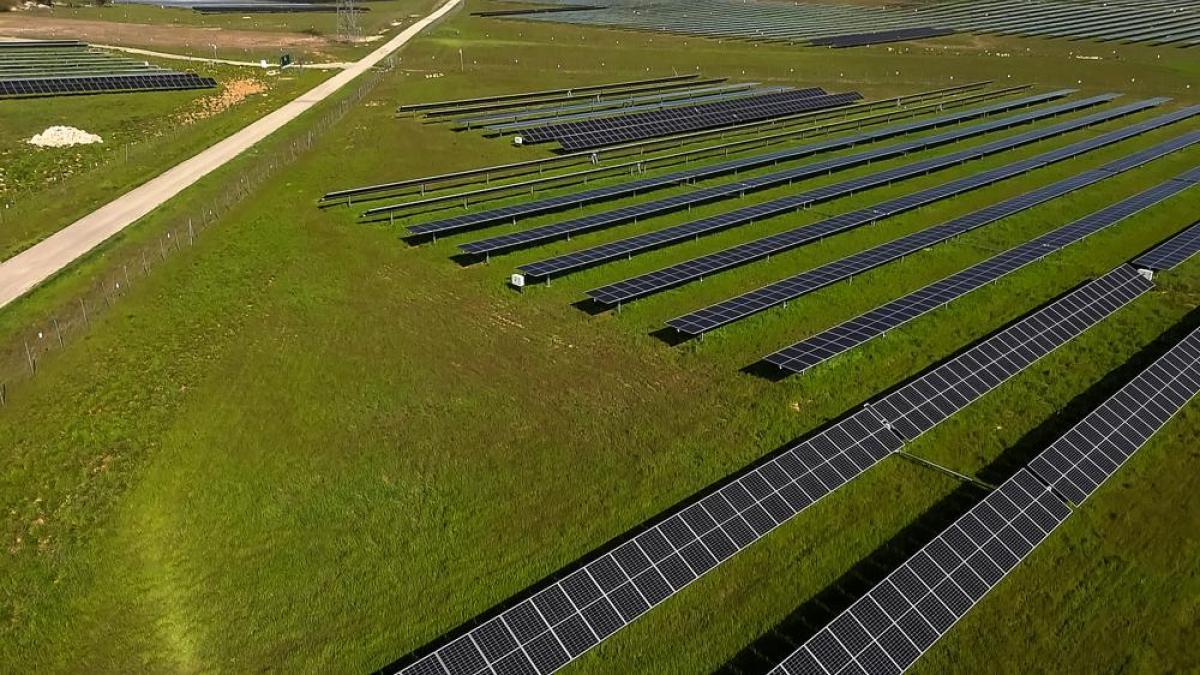
Solar expansion runs into network limits
Spain’s photovoltaic sector is confronting a growing mismatch between generation capacity and the electricity system’s ability to absorb its output. According to La Vanguardia, discarded electricity reached a record 1.2 terawatt-hours in June 2026, almost six times the level recorded a year earlier and nine times the 2024 figure. The increase threatens the economics of projects financed on assumptions of higher prices and more stable revenues.
Solar photovoltaic plants supplied a record 29.5% of Spain’s total electricity generation in June 2026. The country has added 20 GW of photovoltaic capacity since 2024, an expansion La Vanguardia compared in scale with opening 20 nuclear power stations. The build-out has reduced emissions and helped lower consumer electricity costs, but it has also intensified congestion during hours of strong solar production.
Grid access is now one of the principal constraints. Industry association Aelec says 88% of connection nodes have less than 1 MW of capacity available. Even where producers can connect, insufficient daytime consumption and limited battery capacity leave the system unable to use or store all available electricity.
Zero prices and lower solar revenues
Aurora Research data cited by La Vanguardia show that 892 GWh could not be integrated into the system in 2025 solely because of network restrictions. Aurora expects 2.5% of Spain’s total generation to be discarded in 2026. Excess photovoltaic supply is also forcing generators to offer electricity at zero or negative prices when continued operation is preferable to shutting plants down.
Spain recorded 759 hours of zero or negative wholesale electricity prices in 2025, compared with 696 hours throughout 2024, according to the Spanish Photovoltaic Union. The average price received by solar plants fell by 19.7%, from €42.28 per MWh to €33.95 per MWh. That decline directly weakens debt-service capacity at projects whose financing models assumed stronger market prices.
System-management costs are rising at the same time. Reinforced operating measures applied by grid operator REE to reduce blackout risks increased the cost of technical constraints and balancing services by 49% to €3.77 billion. Enrique Calabuig, a partner at Abencys, told La Vanguardia that projects may need revised construction plans, renegotiated repayment schedules, additional capital or a broader operational restructuring when original price, power-purchase agreement and financing assumptions no longer hold.
Investors become more selective
The impact differs by location and contract structure. Extremadura and Zaragoza are among the most affected areas, although plants close to a viable grid connection can remain profitable. Exposure also depends on whether a project has a fixed-price contract, sufficient permits and a clear route to commercial operation.
Those distinctions are reshaping transactions. Alvarez & Marsal’s Spanish Energy Deal Pulse Q1 2026 report said solar’s share of Spanish energy deals fell from 70% in 2024 to 52% in 2025. The firm said investors increasingly favour operating or near-operational assets with confirmed grid access, storage, power-purchase agreements or other protections against revenue volatility. Spain’s photovoltaic market therefore remains investable, but grid position and revenue security are becoming decisive factors in financing and valuation.