Spain Stays a Garlic Powerhouse as Imports From Egypt, China and Argentina Reshape Its Market
Spain produces around 130,000 tonnes of garlic a year, but imports have risen more than 30% over the past decade, according to El Confidencial Digital. Cheaper supplies from Egypt, China and Argentina are squeezing domestic growers and reshaping prices and origin labelling.
Domestic output holds while imports climb
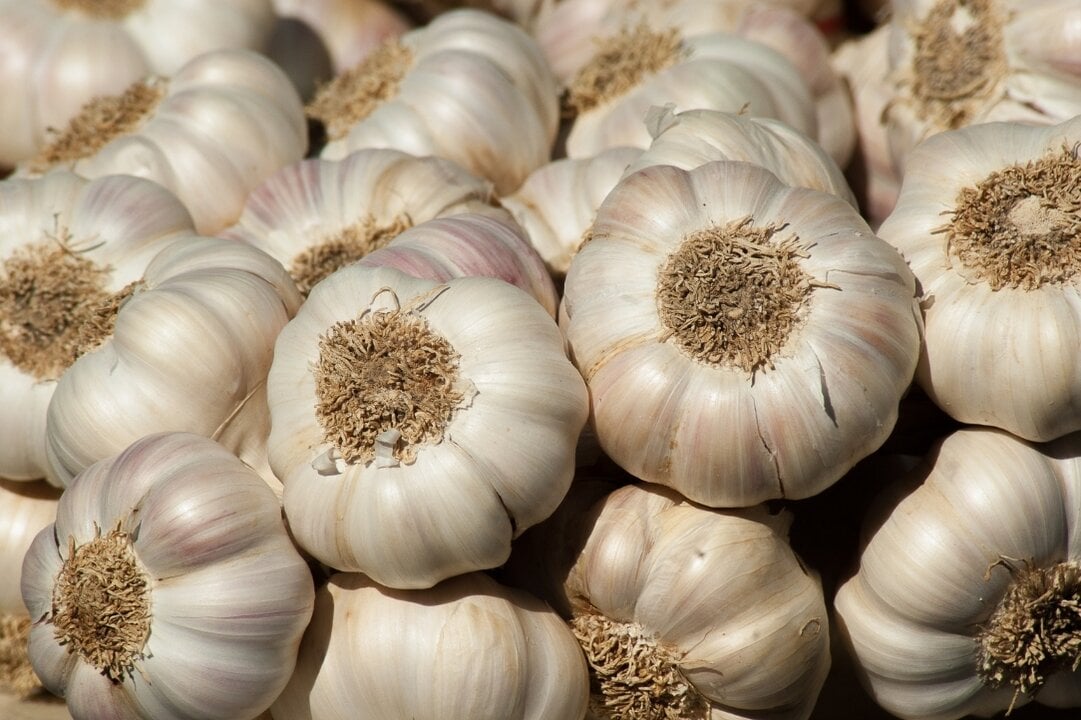
Spain remains one of Europe's leading garlic producers, but the structure of its home market is shifting. According to El Confidencial Digital, citing data from the Ministry of Agriculture and FAOSTAT, Spain produces roughly 130,000 tonnes of garlic a year, concentrated in Castilla-La Mancha, Andalucía and Cataluña.
Over the same market, imports have grown by more than 30% over the past decade. The publication attributes the increase to the arrival of large volumes from countries with lower cultivation costs, naming Egypt, China and Argentina as the main origins now competing on Spanish shelves.
Why imported garlic is cheaper
El Confidencial Digital reports that garlic from Egypt and China tends to be cheaper because of lower labour costs and climatic conditions that allow longer and more abundant production cycles. Large importing companies favour these origins to cover steady, year-round demand, which the publication says directly affects the national market.
Spain is also described as one of the main garlic exporters at the European level, but the report stresses that external competition is fierce. Domestic producers are left having to match low import prices without giving up the quality that distinguishes Spanish garlic.
Growers and quality labels under pressure
Farm organisations ASAJA and COAG have warned about the risk to the sector's sustainability if protected designation-of-origin garlic is not defended, according to the publication. The report points to Las Pedroñeras garlic, which carries a denomination of origin (D.O.), as an example of how tradition and quality can set a product apart.
These designations, El Confidencial Digital notes, guarantee authentic flavour and cultivation methods that imported garlic struggles to match. Traditional varieties are also said to offer better culinary and storage properties.
- Estimated Spanish output: around 130,000 tonnes per year
- Import growth: more than 30% over the last decade
- Main import origins: Egypt, China, Argentina
- Key producing regions: Castilla-La Mancha, Andalucía, Cataluña
- Protected origin example: Las Pedroñeras (D.O.)
What comes next
The publication argues that the future of Spanish garlic depends on revaluing quality and reinforcing awareness campaigns so consumers choose national product. It lists innovation in cultivation, improved storage techniques and institutional support as decisive factors for balancing the scales against imports.
For importers and exporters, the takeaway is a market caught between tradition and globalisation. Buyers face a widening price gap between cheaper imported garlic and higher-value Spanish product backed by origin labelling. For analysts, the open question is whether protected-origin premiums and consumer awareness can hold enough of the domestic market to keep local growers viable as import volumes continue to rise.