Spain forecasts 19% rebound in lemon harvest to 1.21 million tonnes
Spain’s lemon harvest is forecast to reach 1,214,600 tonnes in 2026/27, up 19% from the previous season. Higher yields are expected despite a slight reduction in planted area, improving supplies for both the fresh market and processors.
Production forecast rises to 1.21 million tonnes
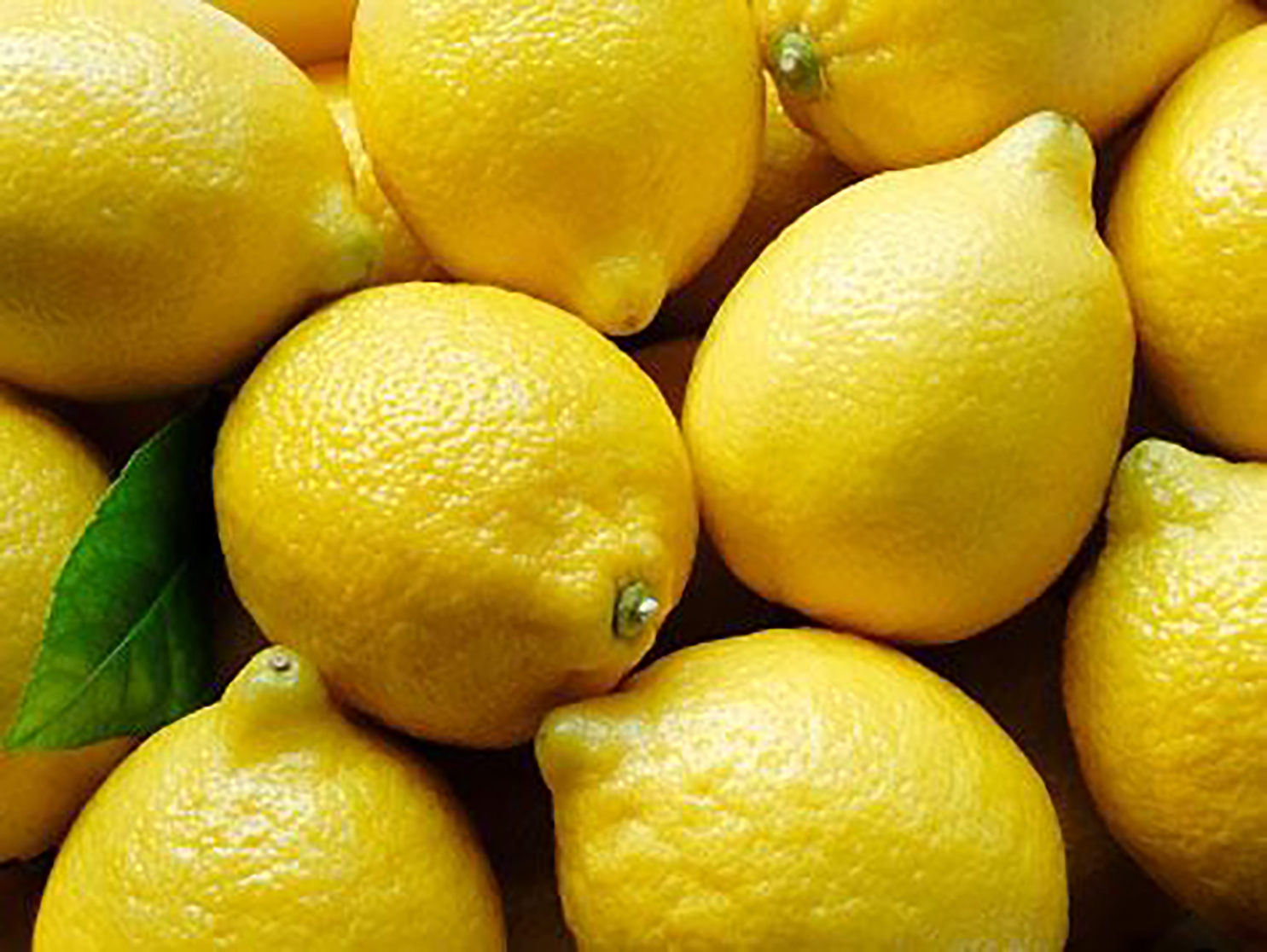
Spain is expected to produce 1,214,600 tonnes of lemons in the 2026/27 season, a 19% increase from the 1,021,000 tonnes harvested in the previous campaign, Valencia Fruits reported. The forecast was validated by the board of the Spanish Lemon and Grapefruit Interbranch Association, Ailimpo, which includes representatives of Asaja, COAG, UPA, agricultural cooperatives, exporters and processing companies.
The projected recovery comes despite a slight contraction in Spain’s lemon-growing area, now estimated at 49,572 hectares. This combination points to stronger production per hectare, supported by favorable crop development rather than an expansion of planted capacity. The forecast covers Spain’s two principal commercial lemon varieties: Fino production is expected to increase by 17%, while the later Verna crop is projected to rise by 24%.
Weather and water support fruit development
Ailimpo said spring weather allowed adequate flowering and fruit set. Although producers faced high temperatures during June, July and August, sufficient water resources were available to meet the needs of the trees. These conditions have supported the higher forecast at a time when acreage has edged lower.
Plant-health management is another factor behind the outlook. According to Ailimpo, growers’ work and monitoring through its AGEFIS project have enabled appropriate control of pests and diseases. The project is financed through the organization’s sector-wide levy mechanism. Ailimpo expects these measures to improve fruit quality and increase the share of harvested lemons suitable for sale on the fresh market.
More fruit for fresh buyers and processors
A 19% increase in national output would expand the volume available to packing houses, retailers and food-service buyers during the campaign. It could also strengthen the availability of Spanish-origin lemons in European markets, where proximity and shorter delivery times form part of the sector’s commercial positioning. The additional supply may increase competition between growers and exporters, particularly during periods when harvesting volumes are concentrated. Its effect on prices will depend on fruit sizes, quality, timing and the pace of demand.
Processing companies should also receive more raw material. Ailimpo expects the volume delivered to industry to return to normal levels, easing the constraints created by the smaller previous crop. This matters for manufacturers using lemons for juice, essential oil and other ingredients, while giving growers an outlet for fruit that does not meet fresh-market specifications. Ailimpo said its objectives for the season are to consolidate the position of Spanish lemons through European origin and freshness, while generating profitability across the supply chain. Achieving both goals will require the larger crop to be absorbed without allowing additional availability to undermine grower returns.