Spain to Introduce Deposits and Return Machines for Bottles and Cans
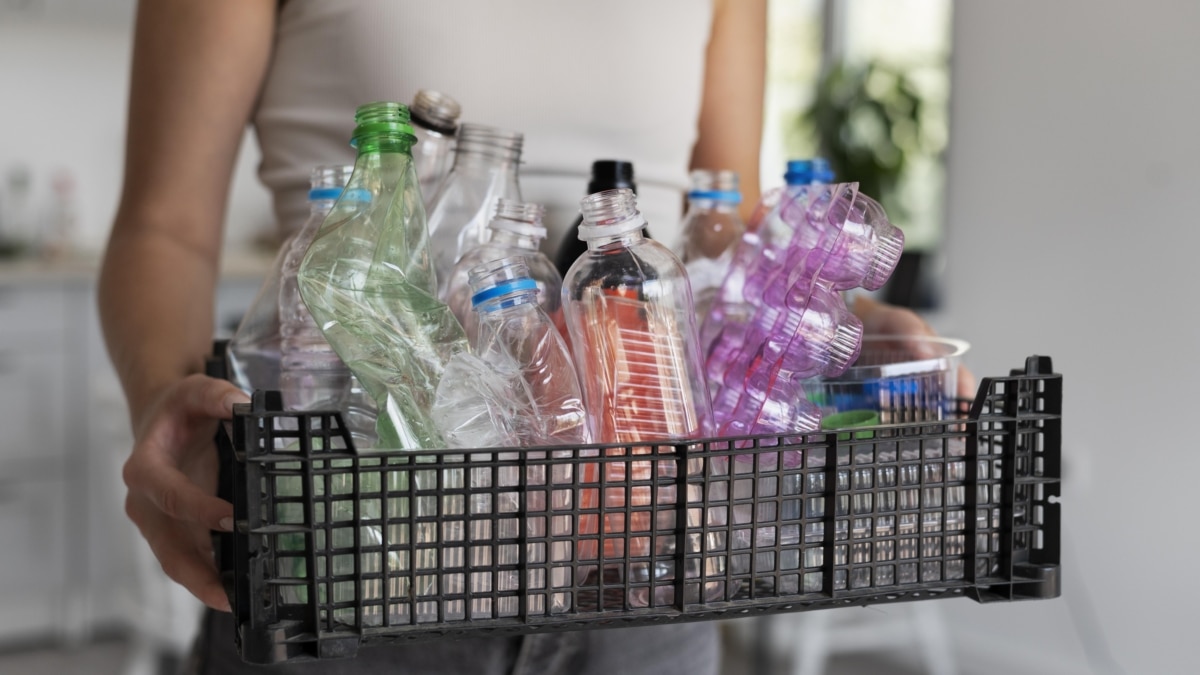
Spain will make a nationwide deposit-return system mandatory from November 2026 after separate collection of small plastic beverage bottles reached only 41.3% in 2023. Consumers will pay at least €0.10 per eligible container and recover the deposit by returning it intact to an authorized point.
Low collection rate triggers mandatory system
Spanish supermarkets are preparing to install automated return machines for plastic bottles, beverage cans and certain cartons as the country moves toward a mandatory deposit-return system. According to El Independiente, thousands of stores will have to provide equipment allowing consumers to recover the deposit paid when purchasing eligible packaged drinks.
The measure follows Spain’s failure to meet its separate-collection target. Official data from the Ministry for the Ecological Transition and the Demographic Challenge, known as MITECO, show that only 41.3% of plastic beverage bottles smaller than three liters were collected separately in 2023. That result activated the legal requirement to introduce the system nationwide in November 2026.
The change also prepares Spain for European Union rules requiring member states to ensure the annual separate collection of at least 90% by weight of single-use plastic bottles and beverage cans of up to three liters by January 1, 2029. Germany already recovers more than 90% of bottles and cans through a similar model, El Independiente reported. Portugal launched its Volta system on April 10, 2026, using supermarket machines and a €0.10 deposit per container.
Deposit will be shown separately at checkout
The payment is a refundable deposit rather than an increase in the beverage’s underlying price. Spanish law sets a minimum of €0.10 per container, while deposits elsewhere in Europe range from €0.10 to €0.25 depending on the packaging. The amount will appear separately on the receipt and will not be subject to value-added tax.
After consuming the drink, customers must retain the empty package in identifiable condition. It must remain intact, with a readable label and barcode, and preferably with its cap. At an authorized return point, a machine will scan the barcode, confirm that the package belongs to the system and check that it has not already been returned. Machines in medium-sized and large supermarkets will accept several containers in one transaction and issue a voucher that can be redeemed at the checkout or used as a discount.
A purchase receipt will not be required. Eligibility will instead be verified through the EAN barcode and a planned official system mark. If a package is not returned, the consumer loses the deposit, the Spanish consumer organization OCU has warned. Unclaimed deposits cannot become private profit: regulations require that they be used to improve the system and fund public information and awareness measures.
Carton exemptions may complicate returns
The system is initially expected to cover PET beverage bottles below three liters, metal cans and cartons for non-dairy drinks. Cartons containing milk, cream or milkshakes will be excluded, as will packaging for fried tomato sauce or gazpacho, which are not legally classified as beverages. These distinctions could cause confusion in stores and increase the need for clear consumer guidance.
Glass will remain outside the deposit system because collection through Spain’s green containers already produces recycling rates above 80%. Return machines will reject glass and any other ineligible packaging. For retailers, the transition therefore involves more than installing equipment: stores must provide return capacity, handle vouchers and help customers distinguish between visually similar packages with different legal treatment.