Spain aligns antibiotic pack sizes with standard treatments to reduce unused doses
Spain’s medicines regulator has begun adjusting certain antibiotic pack sizes to match commonly prescribed treatment durations. New presentations containing 20 tablets are intended to reduce household surpluses, discourage self-medication and support efforts against antimicrobial resistance.
AEMPS begins changing antibiotic presentations
The Spanish Agency for Medicines and Medical Devices, or AEMPS, has started adapting the pack sizes of certain antibiotics to the actual duration of commonly used treatments. COPE reported that the new presentations contain 20 tablets per box, with the central objective of reducing unused doses kept in Spanish homes and limiting the risks associated with self-medication.
Some existing packs have contained more units than required under a standard regimen of seven days with three doses per day. The revised formats are intended to provide the quantity prescribed while excluding tablets considered unnecessary under clinical studies. The source did not identify every antibiotic covered, provide an implementation timetable or specify whether all manufacturers must switch at the same time.
Suppliers and pharmacies face a pack-size adjustment
For pharmaceutical suppliers, the measure changes the presentation of affected products rather than their active ingredients. Manufacturers and packagers may need to align production runs, packaging materials and inventory with the new quantities as the formats are introduced. Wholesalers and pharmacies will also have to manage the transition between existing boxes and revised 20-tablet presentations without confusing patients about prescribed courses.
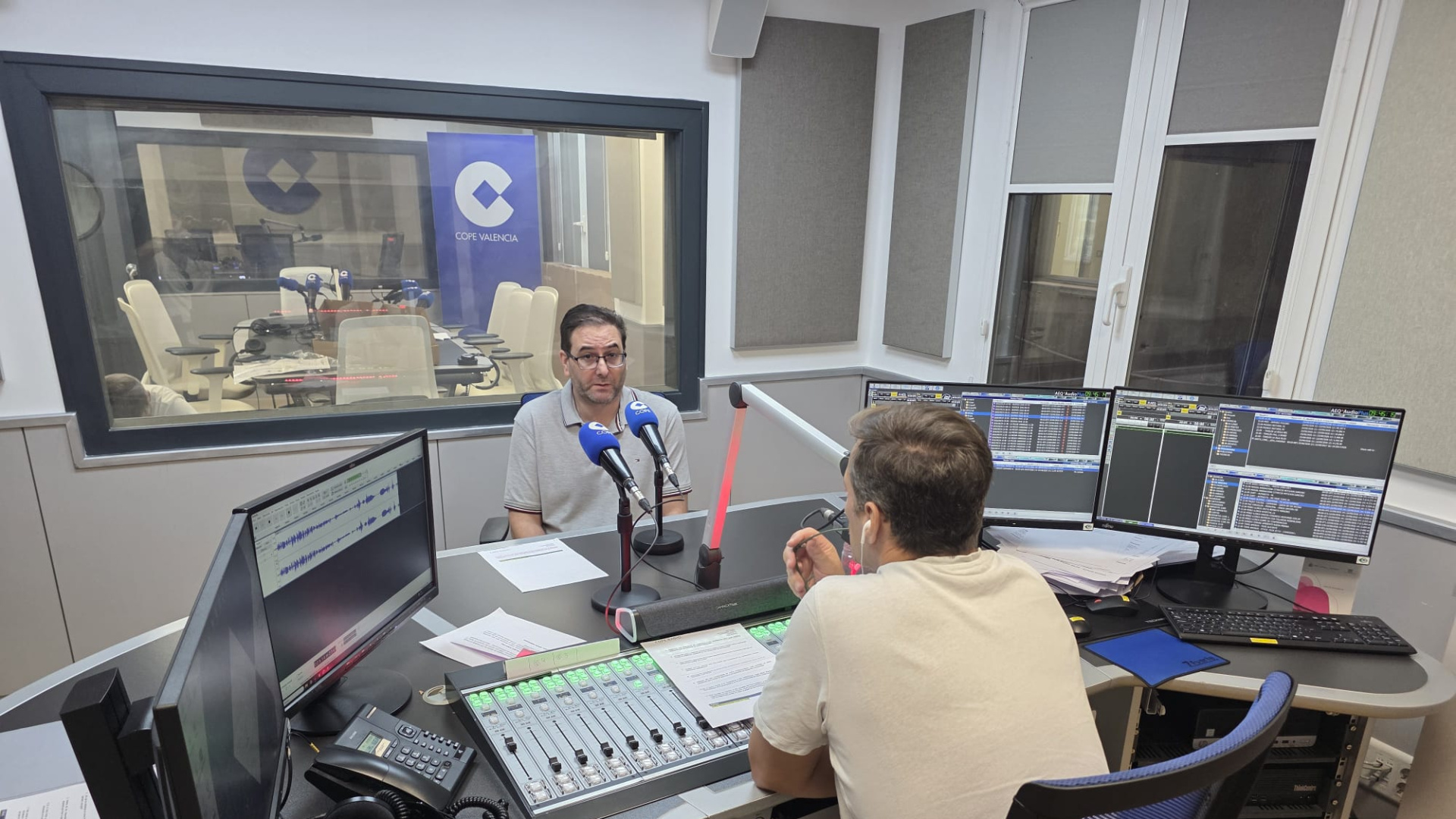
The change places additional emphasis on dispensing the appropriate quantity for a specific prescription. It also strengthens the advisory role of pharmacists, who must explain that leftover antibiotics should not be stored for a future illness. Julián Navas, a pharmacist at the Medicines Information Centre of Valencia’s official pharmacists’ association, told COPE that pharmacy professionals act as guardians of medicines and reminded patients to place unused medication in pharmacies’ SIGRE collection points.
Resistance risks drive the policy
COPE described bacterial resistance as a major global health challenge and reported that resistant bacteria are associated with about 35,000 deaths annually. Microorganisms can adapt when antibiotics are used incorrectly, potentially turning otherwise manageable conditions into serious infections. Bacteria of particular concern include E. coli, Klebsiella pneumoniae and the bacterium that causes gonorrhoea, for which strains resistant to conventional treatments have emerged.
The recurring problems identified in the report include self-medication, failure to complete or follow prescribed courses and the use of antibiotics against viral illnesses such as colds and influenza. Antibiotics including amoxicillin, azithromycin and ciprofloxacin target bacterial structures or processes, such as cell walls and the synthesis of proteins or RNA. Those mechanisms do not make the medicines effective against viruses.
Pack reform forms part of a broader national plan
The packaging initiative sits within Spain’s National Plan against Antibiotic Resistance, known as PRAN. The programme also promotes tighter control of medicines used in veterinary settings. By aligning pack contents more closely with treatment needs, authorities aim to remove one practical source of surplus tablets that can later be taken without medical supervision.
For prescribers and pharmacies, the effectiveness of the change will still depend on patients following the indicated dose and duration. Smaller or better-aligned boxes cannot prevent misuse on their own, but they can reduce the volume of medicine remaining after a course. For producers and distributors, the immediate commercial issue is ensuring that revised packs reach pharmacies while prescriptions, stock management and patient guidance remain consistent.
Full market analysis