Spain advances tobacco law banning smoking on terraces, beaches and near public facilities
Spain’s government has approved a draft tobacco law that would extend smoking and vaping bans to hospitality terraces, beaches, transport stations and other outdoor spaces. The bill also puts electronic cigarettes under the same restrictions as conventional tobacco, while hospitality, tourism and transport groups warn of costs and operational difficulties.
Outdoor smoking restrictions widen
Spain’s Council of Ministers has approved a draft reform of the country’s tobacco law that would substantially expand smoke-free areas and regulate electronic cigarettes alongside conventional tobacco. According to laSexta, the government plans to send the bill to Congress in September, with the aim of bringing it into force before the end of the current legislative term. The proposal updates legislation in place since 2005 and forms part of the Comprehensive Plan for Tobacco Prevention and Control 2024-2027.
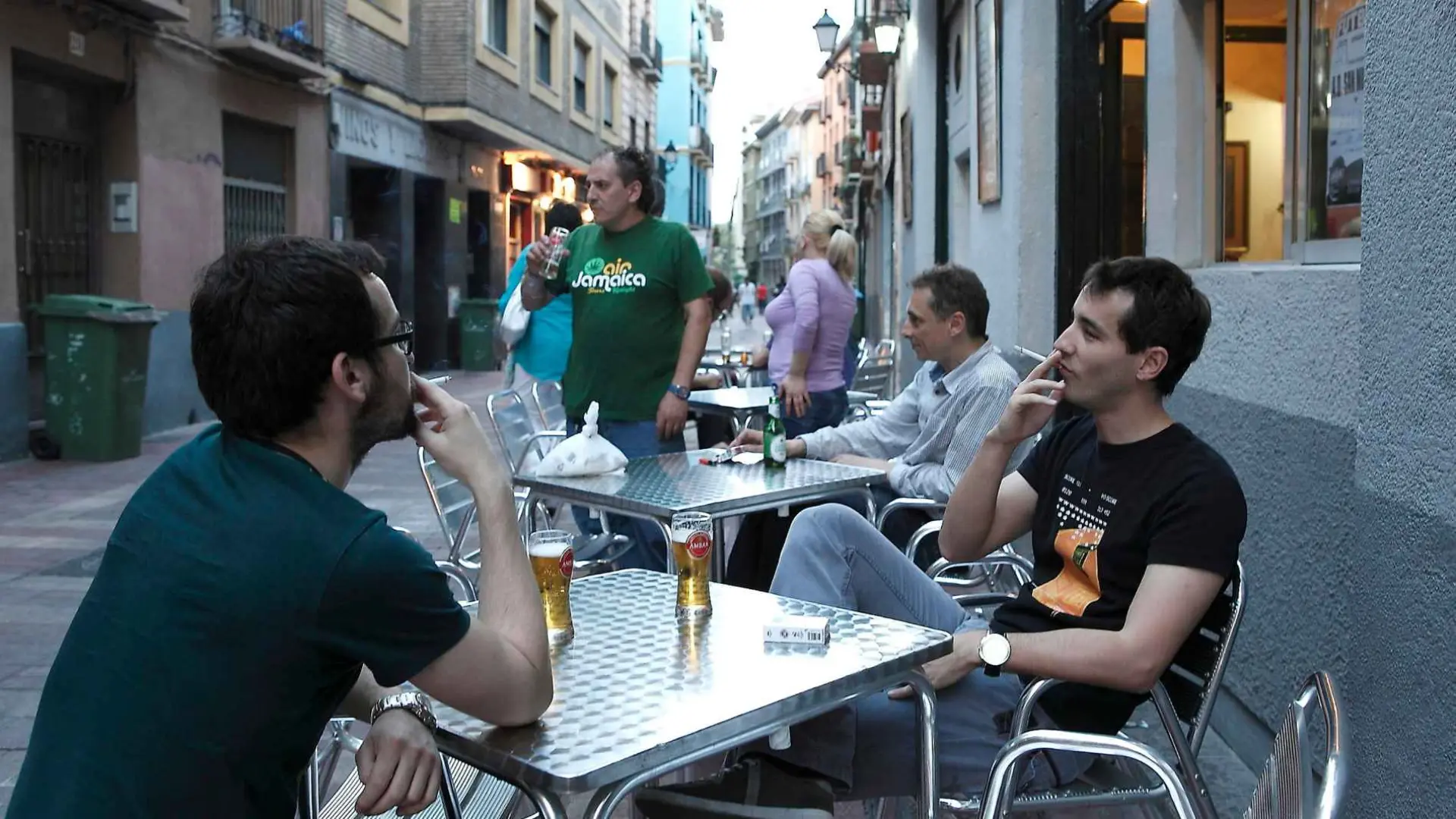
The measure would prohibit smoking and vaping on the terraces of bars, restaurants and cafés, including fully open terraces. Beaches are also covered by the proposed restrictions. Smoking would additionally be banned within 15 metres of healthcare, educational and social centres, as well as in playgrounds, sports facilities, transport stations and outdoor performances. Vehicles treated as workplaces would be included, although laSexta reports that personal use would be exempt.
The Health Ministry argues that the wider restrictions will reduce exposure to environmental tobacco smoke and make smoking less socially normal in public places. If approved by Congress, the reform would represent Spain’s largest extension of smoke-free areas since smoking was prohibited inside bars.
Vaping brought under tobacco rules
The bill would apply the restrictions imposed on conventional cigarettes to electronic cigarettes, including products without nicotine. It also covers heated-tobacco devices and herbal products intended for smoking, vaporising or inhalation. Heraldo reports that characteristic flavours in electronic cigarettes would be prohibited, leaving tobacco as the only permitted flavour, while advertising, promotion and sponsorship controls would be extended to digital channels.
Nicotine pouches are included within the broader regulated product category, but government sources told laSexta that they would not be subject to the terrace consumption ban because they do not produce environmental smoke. This distinction could affect how retailers, manufacturers and hospitality operators implement the legislation across different nicotine formats.
The proposal also explicitly prohibits people under 18 from consuming tobacco and related products. Previously, their sale and supply to minors were banned, but consumption itself was not punishable. The sources differ on the potential penalty: Heraldo reports a €100 fine payable by parents or legal guardians, while laSexta says fines could reach €600 and may be accompanied by community service. Spain’s ESTUDES 2025 survey put daily smoking among people aged 14 to 18 at 4.3%, the lowest level since the series began in 1994, although 15.5% reported tobacco use during the previous month.
Hospitality and transport groups raise objections
Hospitality organisations argue that banning smoking on terraces may move customers onto nearby pavements rather than eliminate consumption. Hostelería de España has described the measure as disproportionate and warned of additional noise, litter and disputes between staff and customers. Tourism organisations, including the Federation of Hospitality and Tourism Businesses of Las Palmas, fear that restrictions could weaken the appeal of Spanish destinations to some British, German and French visitors, although the sources provide no estimate of potential visitor or revenue losses.
Professional transport groups also object to applying the ban inside work vehicles when a driver is alone. FENADISMER argues that preventing habitual smokers from smoking during long journeys could cause anxiety or reduced concentration and has requested an exemption for solo drivers. The Spanish Consumers Association has separately called for the terrace ban and parental penalties to be removed. These objections will now form part of the debate as Congress considers a law affecting hospitality operations, tourism businesses, transport employers and suppliers of tobacco and vaping products.