Spain’s 2026 rice harvest faces losses of up to 40% in Valencia
Early harvesting data indicate that Spain’s 2026 rice output could fall by 10-15% in Andalusia and by 30-40% in parts of Valencia. Heat during flowering, fungi and pests have reduced yields, while stored 2025 rice continues to weigh on the Andalusian market.
Regional losses emerge as harvesting advances
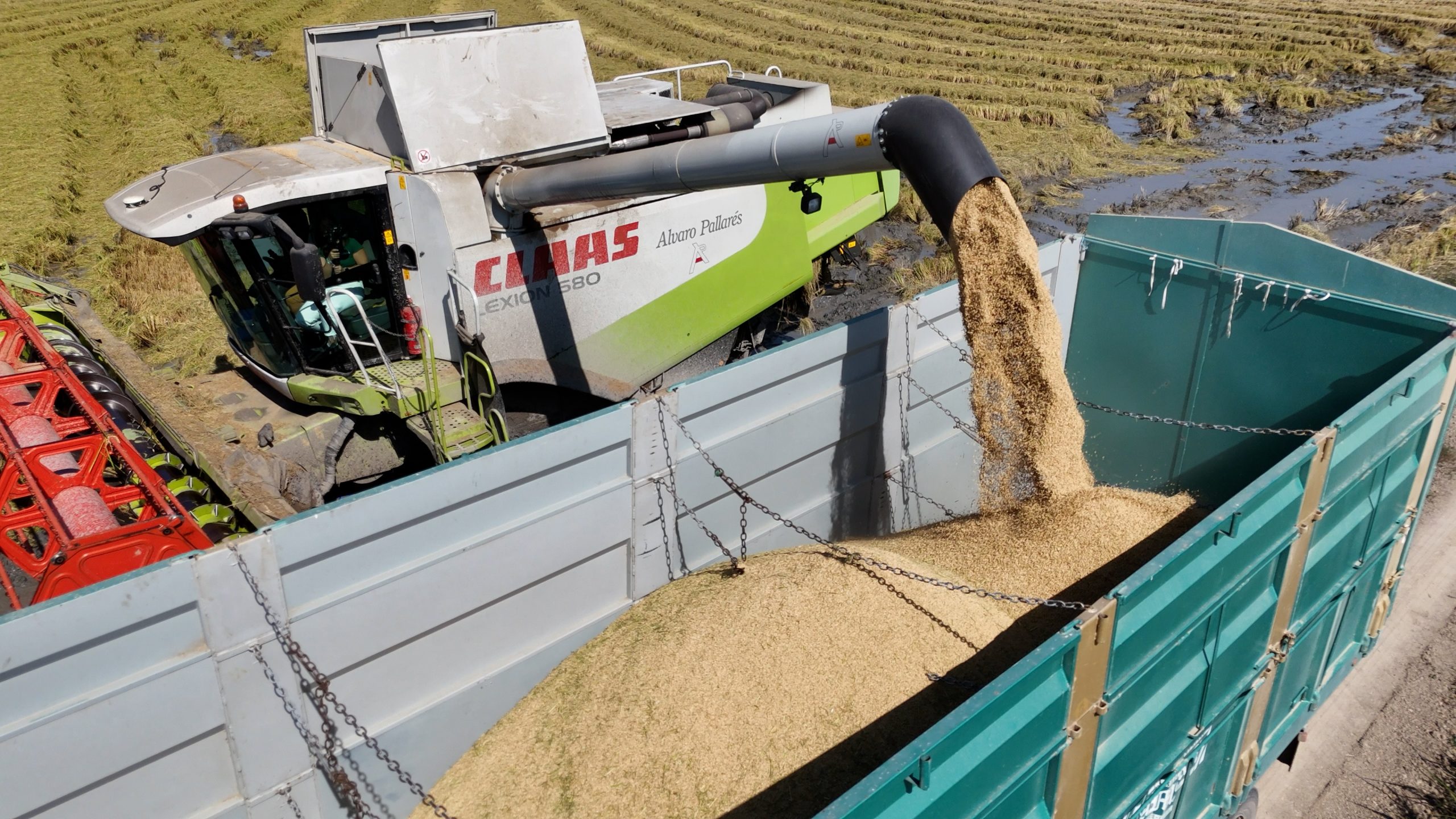
Spain’s 2026 rice harvest is entering its decisive phase with substantial regional yield losses, according to Revista Campo. Early fields harvested in Andalusia point to production around 10-15% below the previous season, while growers in Valencia estimate declines of 30-40% in some areas.
The figures remain preliminary, particularly in Andalusia, where combines have only begun working in the first fields. Álvaro Pallarés, a farmer and chief executive of Doñarroz, said harvesting started last Thursday with the Puntal variety. He expects the main part of the regional campaign to begin this week and cautioned that more fields must be collected before the initial estimate can be confirmed.
Harvesting is considerably further advanced in Valencia. Producer Nando Durá said some farmers would finish this week and others next week. His estimate of a 30-40% production decline is markedly worse than the approximately 20% loss expected at the start of the campaign.
Heat during flowering compounds pest damage
Growers link the reductions primarily to adverse weather during flowering and to plant-health problems. In Valencia, nighttime temperatures reached 27-28 degrees Celsius during the flowering period. Durá said this heat disrupted flowering and prevented some plants from completing their cycle correctly, directly reducing potential yields.
Fungal disease and insect pressure added to the damage. Durá reported the return of a worm that had not caused significant problems in the area for several years. The combination of high nighttime temperatures, fungi and pests explains why Valencia’s projected losses increased as the growing season progressed.
Andalusia was also affected by unusually high temperatures, although its preliminary reduction is less severe. Pallarés currently puts the decline at 10-15% compared with the previous campaign. The next several days will be important because the larger harvesting volumes should show whether this range is representative of the region as a whole.
Lower output does not guarantee stronger prices
The smaller harvest is arriving amid persistent concern about farmgate prices. Durá described the offers being made to Valencia’s growers as very low. Valencia does not currently face a significant carryover problem, but Andalusian producers are beginning the new harvest while still holding a substantial share of their 2025 rice.
Pallarés had already warned in June that much of the previous crop remained in storage because farmers were struggling to find commercial outlets. Revista Campo reports that the position has not materially changed. The arrival of new-season rice could therefore add pressure to a market already burdened by unsold stocks, even as current production falls.
Andalusian growers are watching reports of a possible reduction in European rice imports from Myanmar and Cambodia. Pallarés expects that lower arrivals, if they materialize, could ease pressure on Spanish and wider European markets. For producers, the immediate test is whether reduced domestic supply and any change in import volumes can lift quotations enough to cover production costs, which Pallarés said have risen sharply.