Soybean prices reach 26-month high on weather risks and Chinese demand
Chicago soybean futures reached $12.49 per bushel, their highest level since May 2024 and 18.9% above the end of 2025. Drought risks in the United States, possible El Niño effects in Brazil, Chinese purchases and stronger biofuel demand are supporting the market.
Soybeans climb to highest level since May 2024
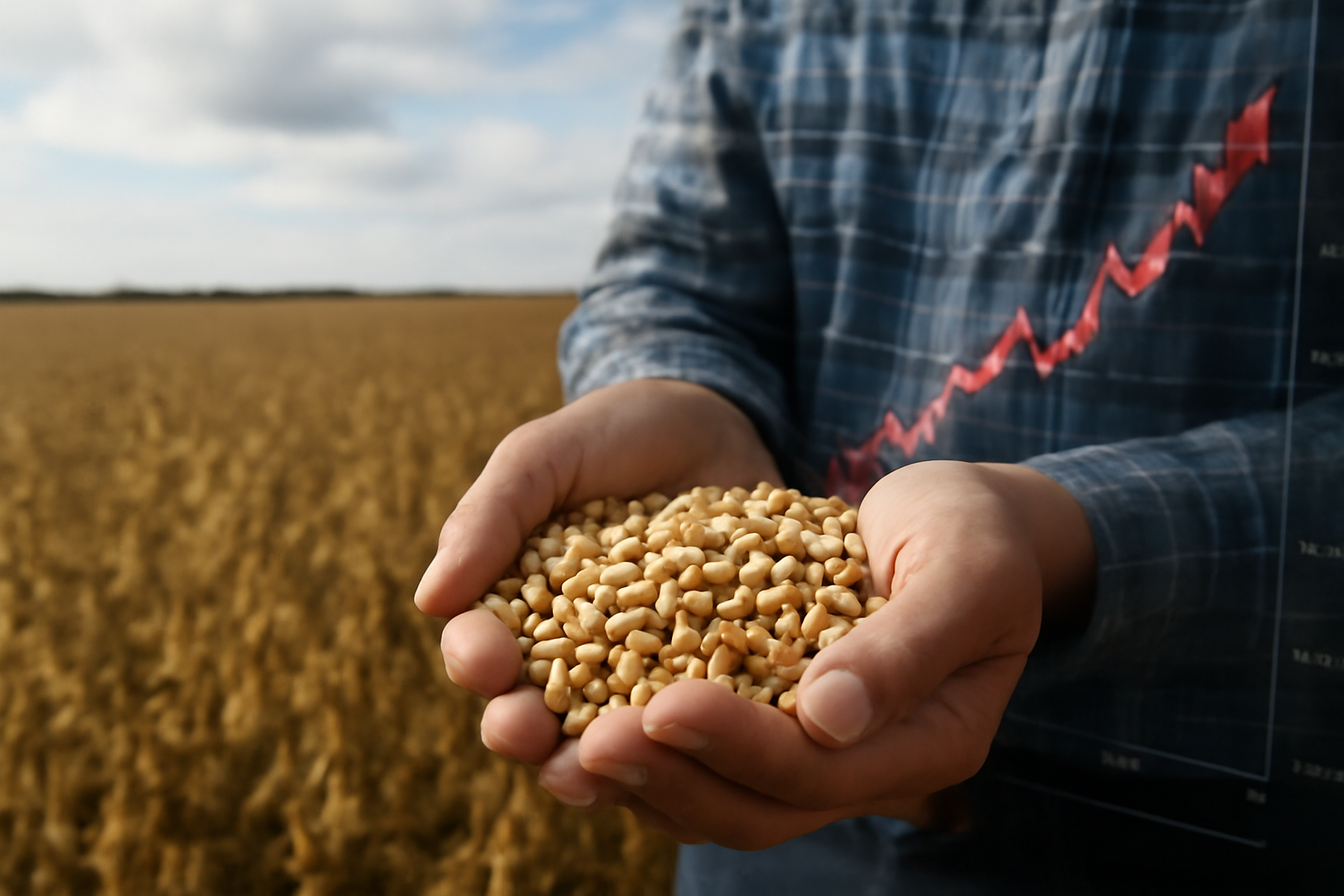
Soybean futures traded on the Chicago Board of Trade reached $12.49 per bushel, the highest level in 26 months, as geopolitical tensions and dry weather raised concerns about supplies. Haberler.com reported that the contract had not traded this high since May 2024, when prices reached $12.58 per bushel. The latest level represents an increase of 18.9% from the end of 2025.
The rally reflects several pressures acting on the market at the same time. Conflicts affecting trade corridors from the Black Sea to the Strait of Hormuz and the southern Red Sea have increased uncertainty around commodity transportation. Heat waves across Europe and the United States, rising energy and fertilizer costs, and concern about El Niño in major agricultural regions have added a weather and input-cost premium to agricultural prices.
US drought and Brazil weather put yields in focus
Weather in the United States is a central source of supply risk. Important farming regions have faced high temperatures and irregular rainfall, conditions that could reduce soybean yield potential. The timing is particularly sensitive because soybeans enter pod formation and pod-filling stages in August. Weather during that period will have a major influence on final output and could quickly alter expectations for global availability.
Futures and commodities specialist Zafer Ergezen told Anadolu Agency that Brazil ranks first among global producers, followed by the United States. He said temperatures in Brazil were fluctuating under the influence of El Niño, while the effect in the United States was more limited. Even so, the combined conditions are expected to cause some yield and production losses. Ergezen said El Niño could continue until the beginning of 2027. A strong event could push Brazil's soybean crop below current expectations and keep prices firm over the next six months.
Chinese purchases strengthen the demand side
Demand is reinforcing the weather-driven rally. China, the world's largest soybean importer, has recently made new purchases from the United States. According to Ergezen, 812,000 tonnes of US soybeans were sold to China within two weeks. The volume provides immediate support to the US market and makes crop conditions more consequential: lower yields would meet an import program that is already absorbing additional supply.
Energy markets are adding another layer of demand. Ergezen said higher oil prices had increased demand for biodiesel and other biofuels, supporting consumption of soybeans and their processed products. At the same time, he described soybean inventories as not particularly strong. For processors, feed buyers and importers, the combination of limited stock strength, active Chinese buying and uncertain yields increases exposure to further price volatility. Producers could benefit from firmer prices, but they also face higher fertilizer and energy expenses. Traders will be watching US rainfall and temperatures during the August pod-filling period, the intensity of El Niño in Brazil and the pace of further Chinese purchases. Those variables will determine whether the move above $12 per bushel is temporary or develops into a more sustained tightening of the global oilseed market.