Soybean meal anchors Argentina-Spain food trade as global May exports reach $835 million
Soybean meal is one of Argentina’s leading exports to Spain and a key input for the country’s livestock industry. Argentina exported $8.69 billion of soybean meal in 2024, while its global shipments generated $835 million in May 2026.
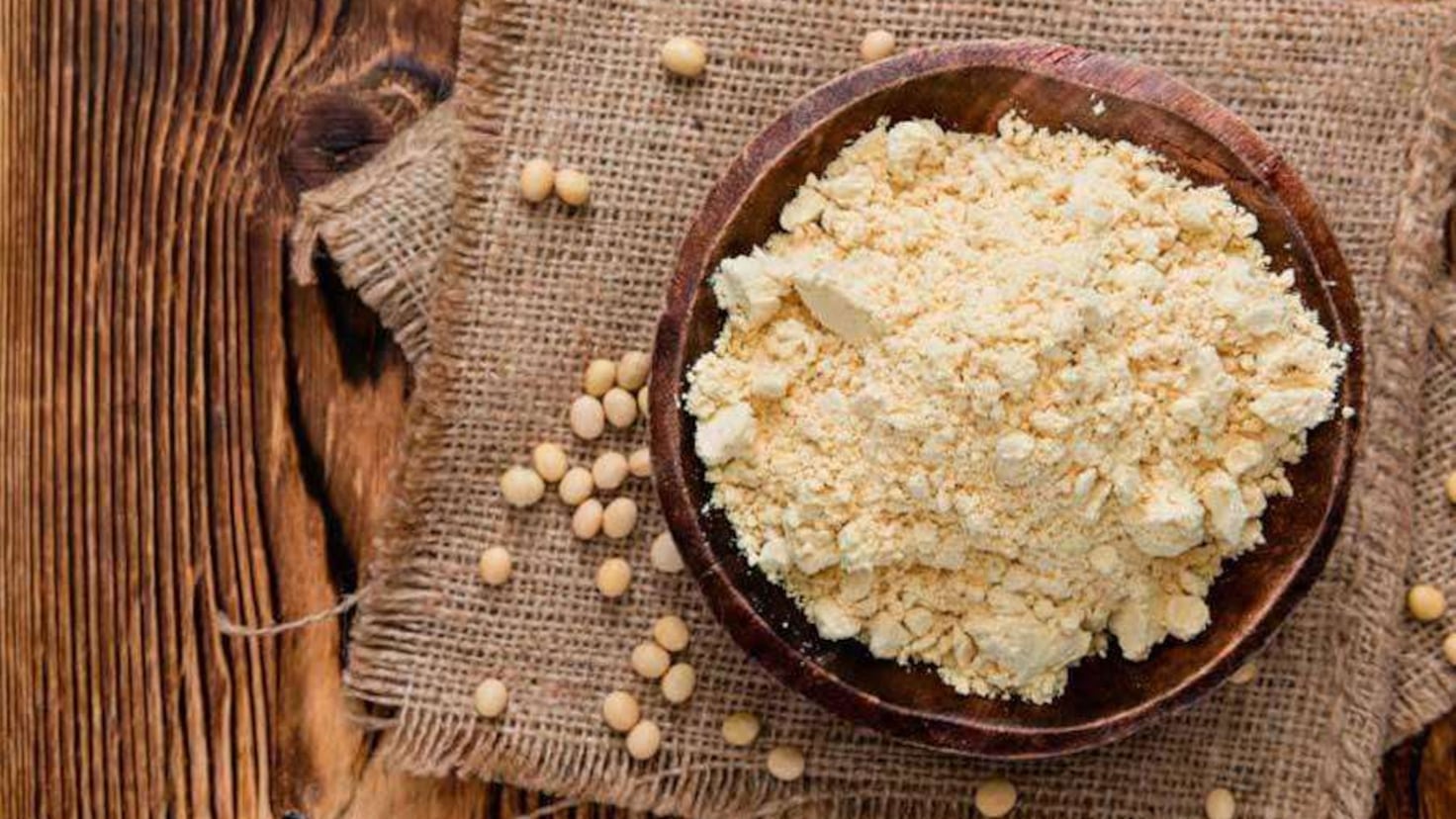
Soybean meal leads agricultural shipments
Soybean meal, rather than consumer products such as beef, wine or dulce de leche, is one of Argentina’s most important exports to Spain. Data from the Observatory of Economic Complexity cited by AS show that the processed oilseed product occupies a central place in bilateral agricultural trade, supplying an essential raw material to Spain’s livestock and food industries.
The product is largely invisible to retail consumers because it enters the market through animal feed. Feed manufacturers use soybean meal as an ingredient for poultry, pigs and cattle. Its commercial significance therefore extends downstream to Spanish production of meat, eggs and other foods, linking Argentine oilseed processors with farmers, feed companies and food manufacturers across Spain.
AS reports that Argentina exported $8.69 billion of soybean meal in 2024, making it the country’s largest export product. It ranked ahead of corn, soybean oil and crude petroleum. Argentina’s total exports reached $75 billion that year, meaning soybean meal represented a substantial source of foreign sales for the South American economy.
May figure reflects Argentina’s global trade
The latest figure cited from the OEC shows that Argentine soybean meal exports generated $835 million in May 2026. The available source presents this as Argentina’s global soybean meal exports, not as the value shipped exclusively to Spain. It nevertheless illustrates the scale of the industry supporting deliveries to markets such as Spain and elsewhere in Europe.
Argentina’s position in soybean processing gives it a major role in international feed supply. For Spanish buyers, access to Argentine meal supports livestock production without requiring the country’s consumers to encounter the commodity directly. Changes in Argentina’s crushing output, export availability or competitiveness can consequently affect purchasing conditions for Spanish feed producers and livestock operators.
Spain serves as an entry point to Europe
The trade relationship between Argentina and Spain has a strong agricultural and food component. According to AS, soybean derivatives and seafood, particularly crustaceans, are among the Argentine products with the greatest presence in Spanish imports. Spain also functions as an entry point for Argentine goods into the wider European market, while offering Argentina an established destination for products from its agricultural and fishing sectors.
This position gives Spanish importers and processors a role extending beyond domestic consumption. Soybean meal arriving through Spanish supply chains supports feed demand, while seafood shipments serve supermarkets, restaurants and distributors. The two categories have different end markets, but both depend on Argentina’s ability to supply competitive volumes across long maritime routes.
Crustaceans broaden the bilateral trade basket
Argentine prawns and shrimp from the South Atlantic form another pillar of food trade with Spain. AS says these products have gained importance in recent years because of the competitiveness of Argentina’s fishing industry and rising European demand. Unlike soybean meal, crustaceans are visible finished food products with relatively high added value and a direct presence in Spanish retail and hospitality channels.
Soybean meal remains strategically different because its value is distributed throughout the livestock chain. Its use in feed means that trade conditions can matter to poultry, pork and beef producers as well as processors and consumers. Argentina’s $8.69 billion of soybean meal exports in 2024 and the $835 million recorded in May 2026 underline the commodity’s broader economic weight. For Spain, continued access links domestic animal production to one of the world’s major soybean suppliers and reinforces the agricultural foundation of its commercial relationship with Argentina.