South Russian ports cut coal handling rates as Black Sea shipping risks rise
Coal handling rates fell at four southern Russian ports as shipping safety concerns reduced vessel availability. Combined coal shipments from the ports dropped by more than half year on year to 1.05 million tonnes in January-June.
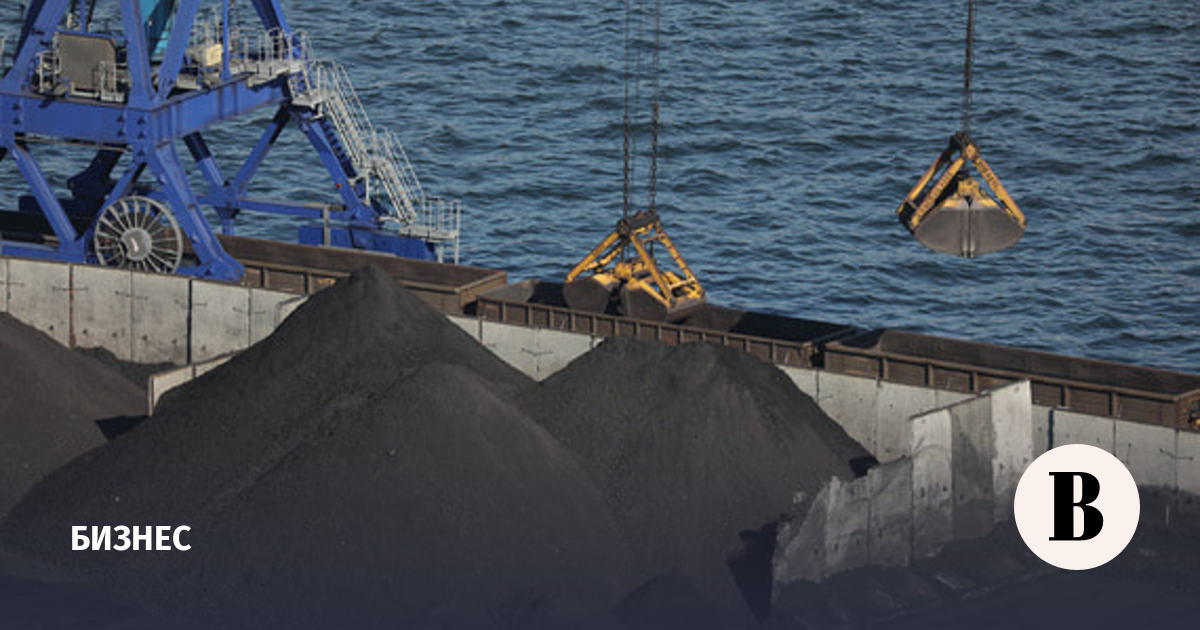
Coal terminals lower handling charges
Several ports in southern Russia have reduced coal transshipment rates as safety risks in the Black Sea and a shortage of vessels available for loading weaken demand for terminal capacity. Vedomosti reported the changes on August 6, citing a market review by pricing agency Argus.
At the port of Kavkaz, handling rates fell to $8–15.3 per tonne in July, a decline of 11–14% from April levels. The average charge at the ports of Azov and Taganrog dropped by 19% to $6.5 per tonne. At Rostov-on-Don, the rate decreased by 12% to $5.5 per tonne.
Shipments fall by more than half
The lower charges coincide with a sharp contraction in coal movements through the four ports. According to data from maritime consultancy Morcenter cited by Vedomosti, Kavkaz, Azov, Taganrog and Rostov-on-Don handled a combined 3.7 million tonnes of coal in 2025, including coking coal.
That volume represented 15% of all coal cargo transshipment at ports in the Azov-Black Sea basin. In January-June, however, shipments through the four ports fell by more than half compared with the same period a year earlier, reaching 1.05 million tonnes. The decline indicates that lower handling prices have so far been insufficient to offset constraints affecting vessel access and loading activity.
Safety concerns disrupt terminal operations
Argus said several coal terminals on the Sea of Azov suspended transshipment operations in July because of risks to vessel safety. The interruptions add an operational constraint to the reduction in available shipping capacity. For terminals, fewer port calls mean stronger competition for the cargoes and vessels that remain in the market, putting downward pressure on handling charges.
The impact extends along the coal logistics chain. Producers and traders using southern routes face less predictable loading schedules, while terminal operators must balance lower tariffs against weaker throughput. Shipowners and charterers must account for safety exposure when deciding whether to make vessels available for Black Sea and Sea of Azov calls.
Southern route loses volume
The four ports are not the largest part of the basin’s coal-handling system, but their 15% share in 2025 made them a meaningful outlet for regional cargo flows. A fall to 1.05 million tonnes in the first half of the year therefore signals a material reduction in the use of these southern facilities.
Rate reductions vary by port, with the steepest reported percentage decline occurring at Azov and Taganrog. Yet the July suspensions show that price competition cannot by itself resolve the central problem: vessels must be available and operators must consider navigation and port calls sufficiently safe. Until those conditions improve, lower transshipment charges may support individual cargo bookings but are unlikely to restore earlier throughput on their own.