South Korean processed chicken exports to Europe surge 721%
South Korean processed chicken exports to the EU and UK reached $5.2 million in the first half, up 721% year on year. Regulatory access, frozen boneless products and placement in major retail chains are supporting the expansion.
Exports rise more than eightfold
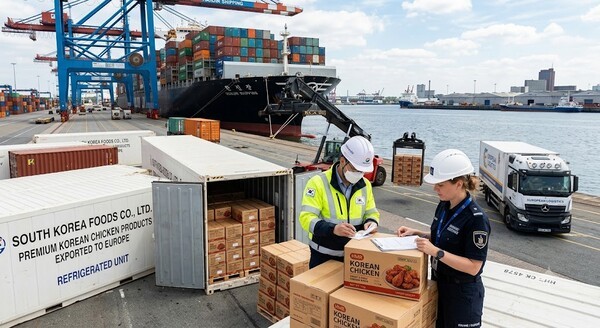
South Korean exports of processed chicken to the European Union and the United Kingdom reached $5.2 million in the first half, according to the Ministry of Agriculture, Food and Rural Affairs. That was 721% above the $630,000 recorded in the same period a year earlier, taking the value of shipments to more than eight times its previous level.
The increase remains small in absolute value but marks a notable change in market access for South Korean poultry suppliers. Europe had long been largely closed to the country’s animal products because of concerns over avian influenza and strict food-safety and veterinary requirements. With Buyer reports that South Korea first asked the EU to permit chicken imports in 1996 and that the sanitary negotiations took 27 years to complete.
Heat treatment opened the market
South Korean food-safety and agriculture authorities responded to tighter EU controls on antibiotic management in food of animal origin. The country subsequently passed the EU assessment required for authorization as a supplier of animal-based foods. Retort samgyetang, a shelf-stable soup containing a whole chicken, was among the first products to enter because its sterilization process could satisfy the relevant sanitary checks.
That initial access created a route for a broader range of processed chicken products. For exporters, the regulatory breakthrough is particularly important because sanitary approval is a prerequisite for competing in European retail, while importers gain an additional source of prepared poultry products. Compliance, approved processing facilities and consistent documentation will remain central to maintaining that trade flow.
Boneless frozen chicken widens demand
Product selection has shifted as suppliers adapt to European consumers. Samgyetang helped establish access, but a whole bone-in chicken and herbal flavors presented a barrier for some buyers. South Korean food companies therefore placed greater emphasis on boneless dakgangjeong, a sweet, salty and spicy fried-chicken product, and other frozen chicken lines. With Buyer says these products are entering major European retail chains including Carrefour and Costco.
Demand has also been supported by consumer exposure to Korean fried chicken through television content and Korean-style restaurants. Suppliers have tailored frozen products for preparation in air fryers, seeking to reproduce a crisp exterior and moist interior at home. The combination of restaurant trial, supermarket availability and easier preparation gives exporters a path beyond specialist Asian stores. For European importers and distributors, however, the 721% growth rate comes from a low base: future performance will depend on repeat purchases, wider listings and continued compliance with EU and UK sanitary rules.