South Korean pork distributors indicted over alleged 1.2 trillion won price-fixing cartel
South Korean prosecutors have indicted six pork distributors and 12 employees over an alleged price-fixing scheme involving supplies to major retailer E-Mart. Prosecutors estimate the affected transactions at about 1.2 trillion won and say consumers paid at least 20% more than competitive prices.
Six suppliers and 12 employees sent to trial
South Korean prosecutors have indicted six pork distribution companies and 12 employees on allegations that they coordinated supply prices to major retailer E-Mart for more than six years. The companies include Dodram Food, described in Korean media reports as the country’s largest pork distributor, and the Bukyeong Pig Farmers Cooperative.
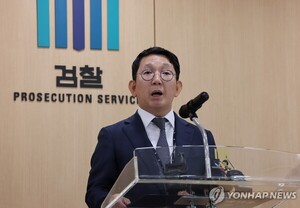
The Seoul Eastern District Prosecutors’ Office said on the 4th that the companies and employees had been indicted without detention for alleged violations of South Korea’s Fair Trade Act. The reported conduct ran from August 2017 through November 2023, covering a prolonged period in which pork, particularly samgyeopsal or pork belly, remained a staple purchase for South Korean households.
Transactions valued at about 1.2 trillion won
According to Straight News, prosecutors estimate that transactions affected by the alleged coordination totaled about 1.2 trillion won. They believe consumers bought pork belly and other cuts at prices at least 20% above the level that would have prevailed under normal competition. The estimate makes the case significant not only for the companies involved but also for retailers and consumers exposed to the resulting shelf prices.
Prosecutors allege that suppliers agreed on E-Mart delivery prices in advance and shared proposed quotation prices with competitors, limiting price competition between major distributors. The investigation covered nine large suppliers operating in South Korea’s concentrated pork distribution market, according to Asia News Agency. Six companies were ultimately indicted in the reported action, including the country’s first- and second-ranked suppliers.
Secret chats and alleged destruction of evidence
Straight News reported that investigators found evidence of price discussions conducted through a secret Telegram chat. Prosecutors also identified suspected attempts to obstruct the Korea Fair Trade Commission’s investigation, including deleting the chat shortly after the commission’s inquiry and disposing of computer records. These allegations add an evidence-preservation issue to the underlying competition case.
The indictments do not constitute findings of guilt, and the allegations will now be tested in court. For South Korea’s pork sector, the proceedings put procurement practices between dominant processors, distributors and large retailers under closer scrutiny. The outcome may affect how suppliers prepare bids, exchange market information and document negotiations with retail customers. Prosecutors said they would continue to respond strictly to cartels that distort competition and to conduct intended to interfere with Fair Trade Commission investigations.