South Korean dairy groups turn to premium desserts as white-milk demand declines
South Korean dairy processors are expanding into ice cream, bakery products and functional foods as demographic pressure and changing diets reduce white-milk consumption. Companies including Seoul Milk, Yonsei Dairy, Namyang Dairy Products and Maeil Dairies are using premium raw milk, established brands and convenience channels to pursue higher-margin sales.
White-milk consumption loses ground
South Korea’s dairy processors are accelerating their move into premium desserts, bakery products and functional foods as the domestic drinking-milk market faces demographic and dietary pressure. ThinkFood reported that average per-capita white-milk consumption fell to 22.9 kg last year from 25.3 kg a year earlier, compared with 27.0 kg in 2016. The decline reflects a prolonged fall in births, changing eating habits, growth in alternative beverages and increased availability of imported shelf-stable milk.
At the same time, higher-value food categories are expanding. Citing Korea Agro-Fisheries & Food Trade Corporation data and other sources, ThinkFood said the online bakery market grew from 320 billion won in 2021 to 625 billion won last year. Dairy companies are responding by converting their processing expertise and brand recognition into products with higher unit prices and potentially stronger margins.
Milk brands move into bread, ice cream and pudding
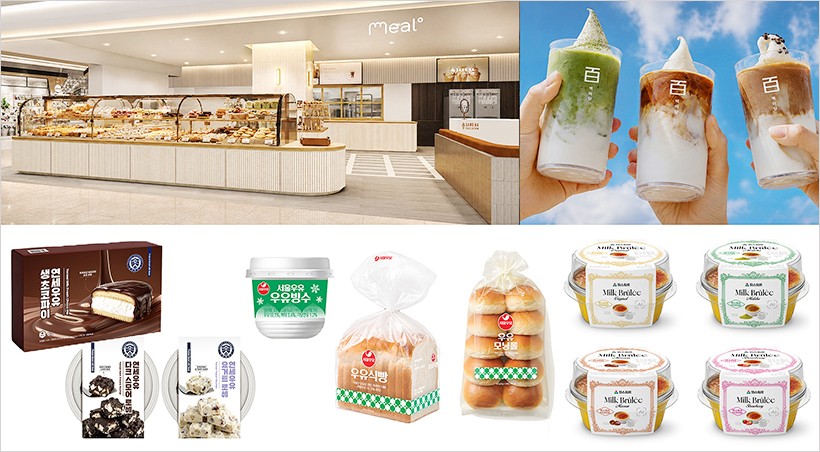
Yonsei University’s Yonsei Dairy has become one of the sector’s most visible bakery successes. Its Yonsei Milk Fresh Cream Bread, developed with convenience-store chain CU and launched in January 2022, exceeded cumulative sales of 100 million units in April. The company has extended the range beyond cream, chocolate and melon flavors with products including matcha cream sandwiches, matcha pavé chocolate and fresh chocolate pies.
Seoul Milk Cooperative is building several dessert lines around domestically produced milk. Its milk bread and morning rolls contain about 10% Korean milk, while its premium strategy also includes Jersey and A2 milk. Weekly Hankook reported that revenue from the Seoul Milk Jersey Milk brand was up 178% year on year as of June. The cooperative operates South Korea’s largest dedicated Jersey farm and uses the milk’s higher fat content to differentiate ice cream and pudding.
Seoul Milk launched a Jersey Milk Cone containing 58% domestic Jersey milk and 9% milk fat in September last year, followed in October by a pudding containing 83% Jersey milk. A 474 ml ice cream tub introduced in April contains 50% domestic Jersey raw milk. According to the company, total ice cream revenue increased 600% year on year, while bakery and other convenience-food revenue rose more than 200%. Weekly Hankook cautioned that the ice cream operation remains at an early and relatively small stage, limiting what the growth rate alone says about profitability.
Processors diversify channels and product functions
Other processors are pursuing different combinations of retail, food service and nutrition. Maeil Dairies’ affiliate M’s Bakers operates 17 Meal° bakery locations and is preparing another outlet at Lotte Mall Gimpo Airport after opening at Lotte Department Store’s Pyeongchon branch. Namyang’s organic-milk dessert brand Baekmidang has expanded to around 60 stores; first-quarter sales rose 44% year on year to 7.6 billion won. Namyang also reported a 72% increase in first-quarter sales of its Takefit protein-drink range.
Binggrae is transferring intellectual property from brands such as Banana Flavored Milk into bakery collaborations, while Lotte Wellfood has introduced Pasteur Milk Brûlée with more than 30% Pasteur-brand milk. Seoul Milk is also preparing a new premium ice cream brand for launch between the end of this year and early next year. It plans to install dedicated Danish equipment at its Yangju plant. The shift gives processors more outlets for raw milk, but the commercial test will be whether premium positioning and brand differentiation can produce sustainable margins in competitive and, for frozen desserts, seasonal markets.
Full market analysis