South Korea’s Westernizing Diet Drives Butter and Cheese Imports
South Korea’s butter and cheese import values are rising sharply as domestic diets become more Westernized. With rice consumption at its lowest level since records began, food companies are adding pasta, gnocchi and pizza to home meal replacement ranges previously dominated by Korean dishes.
Dairy imports reflect changing Korean diets
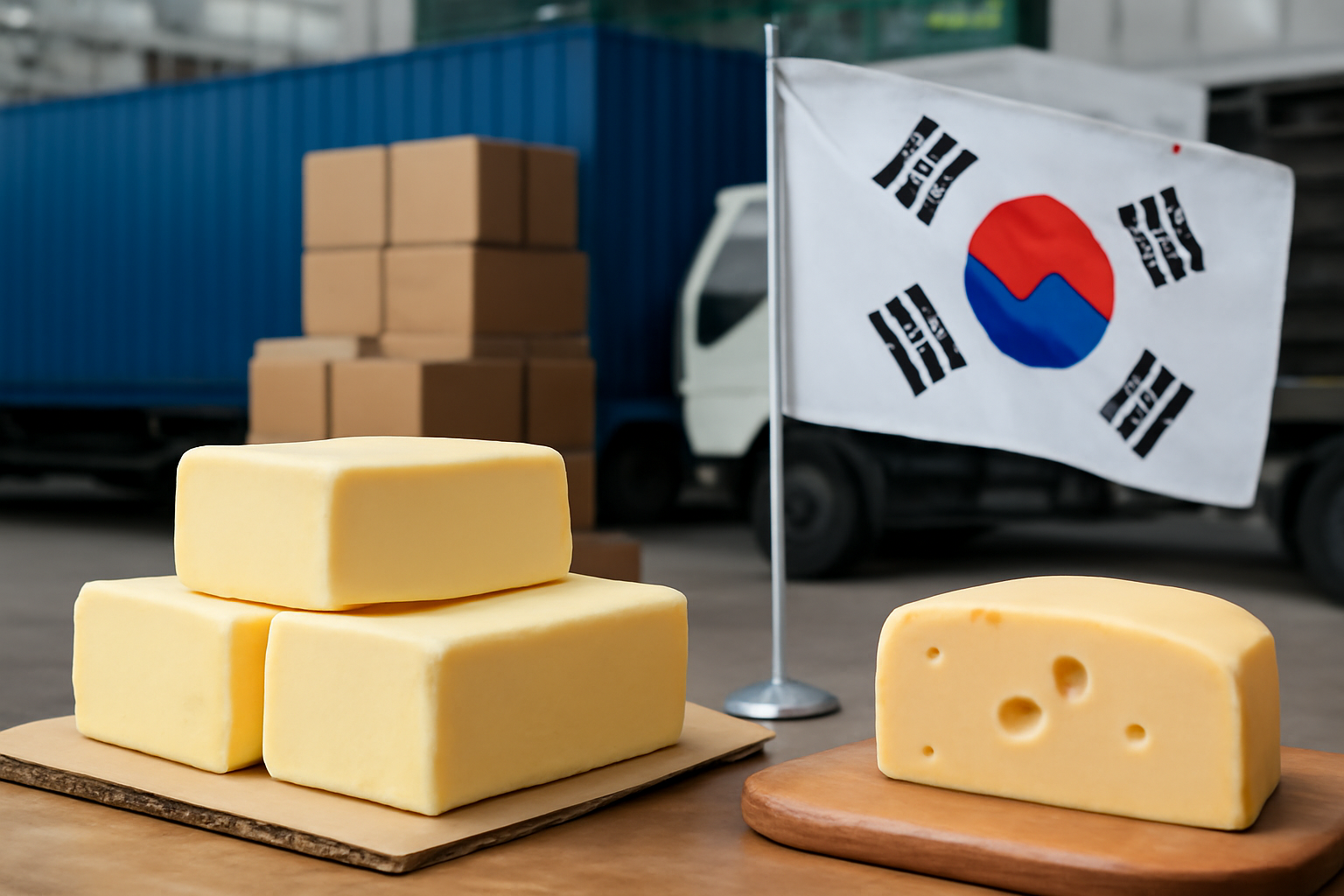
South Korea’s shift toward a more Westernized diet is driving a sharp increase in the value of butter and cheese imports, according to Financial News, citing data from the Korea International Trade Association. The trend is emerging alongside a continued decline in rice consumption, creating a widening contrast between demand for imported dairy ingredients and the country’s traditional staple food.
The available data point to import values rather than physical volumes. That distinction matters for dairy buyers and market analysts because a rise in value can reflect stronger demand, higher international prices or a combination of both. Even so, simultaneous growth in butter and cheese imports suggests that the change extends across several food categories rather than being limited to a single product.
Butter is used in bakery products, sauces and prepared dishes, while cheese is central to pizza, pasta and other Western-style meals. Rising imports therefore affect more than retail dairy shelves. They also influence purchasing decisions by food manufacturers, restaurant suppliers and convenience-meal producers that rely on consistent access to dairy ingredients.
Rice consumption reaches a record low
Rice consumption has fallen each year and is now at its lowest level since statistical records began, Financial News reported. The decline indicates weakening demand for traditional rice-based meals as consumers diversify what they eat and place greater emphasis on convenience. It also changes the demand outlook for businesses serving the domestic rice market.
Lower household consumption can intensify competition among rice producers, processors and food companies, particularly when the traditional staple occupies a smaller share of daily meals. For importers and distributors of dairy products, the opposite trend creates opportunities, although exposure to international prices and supply conditions remains an important commercial consideration.
Food companies expand Western-style ready meals
South Korean food companies are responding by broadening home meal replacement ranges that had previously focused mainly on Korean cuisine. Pasta, gnocchi and pizza are among the Western-style products being added as manufacturers move to capture demand associated with changing eating habits.
This expansion links consumer preferences directly to ingredient procurement. A larger selection of pasta dishes, pizza and other cheese- or butter-based meals can increase demand for dairy inputs across manufacturing and food-service channels. Product developers must also balance convenience, taste and price while securing ingredients suitable for standardized, large-scale production.
The shift does not mean that Korean food or rice is disappearing from the market. It does show that the prepared-food sector is allocating more shelf space and development resources to Western-style options. For dairy exporters, South Korea’s evolving meal market may support additional sales opportunities. For domestic rice suppliers, the challenge is to adapt products and formats to consumers who are increasingly choosing convenience meals and a broader mix of cuisines.