South Korean vegetable prices surge after heat and heavy rain disrupt supply
South Korean wholesale tomato prices rose 237.7% in one month as extreme heat, heavy rain and lower farm shipments tightened vegetable supplies. The increase is spreading across peppers, spinach, cabbage and radish, raising concerns about availability and food costs ahead of Chuseok.
Tomato and pepper prices lead the increase
South Korean vegetable prices have risen sharply after prolonged summer heat and heavy rain damaged growing conditions, reduced marketable output and disrupted shipments from producing regions. The supply squeeze is reaching wholesalers, traditional markets and supermarkets as traders prepare for the seasonal rise in demand ahead of Chuseok, which was a little over a month away at the time of the report.
According to the Korea Agro-Fisheries & Food Trade Corporation's daily wholesale price data cited by Christian Daily, tomatoes traded at 30,931 won per 5 kilograms on the 24th. That represented a 237.7% increase from one month earlier. A traditional-market fruit seller in Hanam said the price of 5 kilograms had normally remained below 20,000 won but had climbed well above 30,000 won, making tomatoes difficult for merchants to buy.
Bell peppers reached 27,025 won per 5 kilograms, up 156.6% month on month. Spinach increased 22.6% to 53,716 won per 4 kilograms, while perilla leaves rose 37.1% to 33,298 won per 100 bundles. The simultaneous increases across vegetables with different production and handling requirements indicate that the disruption is not confined to a single crop.
Cabbage and radish add pressure to household costs
Cabbage prices also advanced across quality grades. Premium cabbage rose 30.3% from the previous month to 3,674 won per head, the medium grade increased 50.9% to 2,461 won, and the lower grade climbed 93.2% to 1,356 won. Radish became 58.7% more expensive at 1,462 won per unit. The particularly steep increases for lower cabbage grades suggest buyers are competing for cheaper alternatives as overall supply tightens.
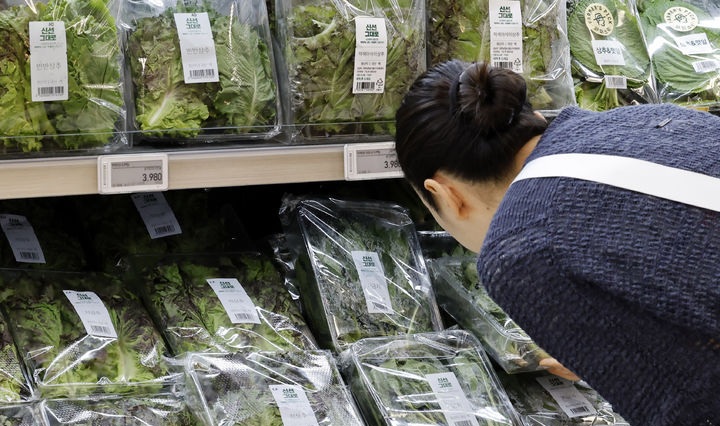
Wholesale inflation is feeding into retail markets. At one supermarket in Hanam, Gyeonggi Province, a bunch of spinach was selling for 6,500 won after having cost 8,500 won several days earlier. A supermarket representative told Christian Daily that few nearby merchants were stocking spinach because it remained too expensive. The same store was charging more than 4,000 won for a small head of cabbage and about 2,500 won for a bag of bundled perilla leaves.
Availability has become a problem alongside price. Some vegetables are difficult to find because retailers are reluctant or unable to secure stock at elevated wholesale quotations. A woman in her seventies living in Seoul's Yangcheon district said she had visited several supermarkets and markets looking for spinach but ultimately did not buy it when she found the price too high.
Chuseok demand raises the risk of further tightening
Christian Daily attributed the increases to poor crop development and deteriorating quality during the summer heat, followed by a decline in shipments from producing areas. Recent torrential rain has added concern over crop conditions and logistics, including in South Gyeongsang Province. For growers, the weather may reduce saleable volumes even where crops have not been completely lost; for merchants, higher procurement costs increase the risk of weak sales and unsold expensive inventory.
The timing makes the disruption more consequential. Markets were beginning to prepare supplies for Chuseok, when demand for vegetables used in holiday meals can increase. Traders are watching whether sufficient seasonal volumes can reach wholesale and retail channels on time, while consumers face the prospect of a more expensive holiday basket. The next direction for prices will depend on the pace of crop recovery, weather conditions in producing regions and the restoration of regular shipment volumes.