South Korea’s table-rice area falls 19,000 hectares but remains above target
South Korea’s table-rice area is expected to fall to 659,000 hectares in 2026, down 19,000 hectares from a year earlier. The contraction is twice the recent annual average, but acreage still exceeds the government’s revised supply-balancing target.
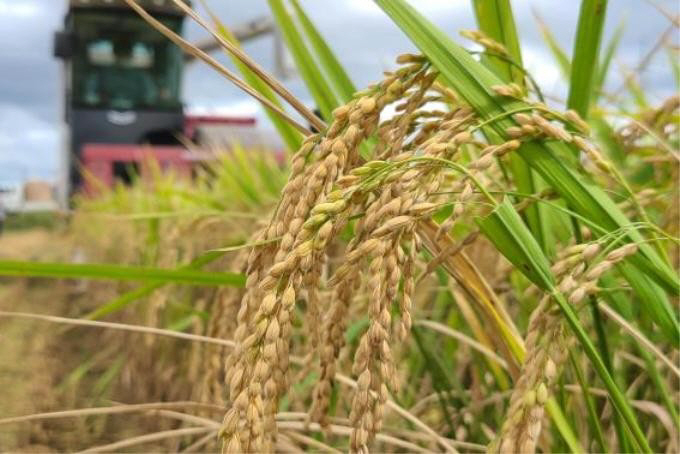
Table-rice acreage contracts faster
South Korea’s land producing rice for the table is expected to decline by 19,000 hectares in 2026, a contraction about twice the average recorded over the past five years. The Ministry of Agriculture, Food and Rural Affairs estimates table-rice acreage at 659,000 hectares after excluding land enrolled in a new program that directs production toward processing.
The National Data Office’s provisional survey put total rice acreage at 670,000 hectares, down 7,500 hectares from 678,000 hectares in 2025, according to The Fact. Applications for the supply-control rice program cover 11,000 hectares. Final acreage may change following checks on whether participating farmers have met the program’s conditions.
Processing program separates supply from the table market
Farmers participating in the supply-control program must deliver their crop to rice processing complexes. They receive both a direct payment and proceeds from the sale of the rice. Under normal conditions, this grain can be supplied only for processing and is kept out of the table-rice market, although it may be redirected for household consumption during a poor harvest or another emergency.
Financial News reported that participating farmers receive 5 million won per hectare. The program is also intended to supply processors with privately produced new-crop rice, replacing some government-managed old crop that had been stored for a year. The government increased the strategic-crop direct-payment budget from 244 billion won in 2025 to 419.6 billion won in 2026 and added supply-control rice as an eligible category.
Acreage remains above the balancing goal
Despite the sharper reduction, the estimated 659,000 hectares of table-rice production remains above the government’s revised balancing target of 650,000 hectares. Financial News said the ministry had initially identified about 640,000 hectares as necessary for balance in its February grain plan, implying a reduction of roughly 38,000 hectares from 2025, before raising the target to 650,000 hectares in May.
The policy challenge reflects a continuing gap between production capacity and consumption. Financial News reported that rice acreage declined 8.2% from 738,000 hectares in 2018 through 2025, while per-capita consumption fell 11.6%, from 61 kilograms to 53.9 kilograms. The government purchased a total of 1.11 million tonnes from 2021 through 2025 at a cost of about 3.4 trillion won, including annual market withdrawals averaging around 280,000 tonnes over the past four years. The ministry said it would monitor weather, crop conditions, inventories and consumption and, if needed, prepare harvest-season stabilization measures in October.