South Korea steadies pork and chicken prices as imported eggs reach shelves
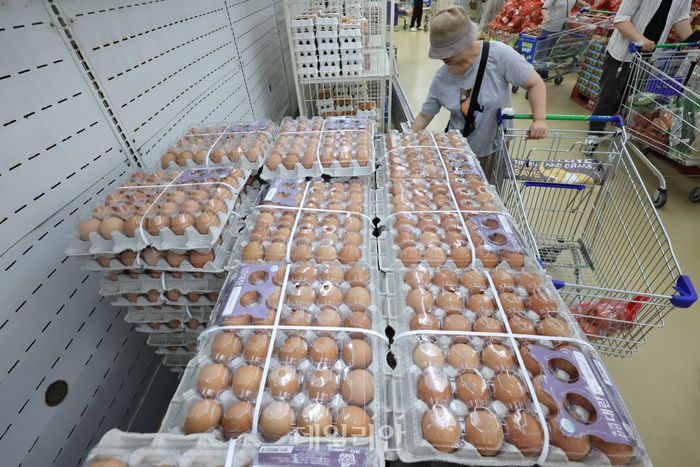
South Korea says pork and chicken prices are stabilizing on expanded supply, while imported fresh eggs have begun reaching stores. Under a plan to import 200 million eggs, about 10 million are being distributed this week, with E-Mart cutting its imported-egg price to 4,980 won from July 16.
Seoul reports meat prices stabilizing after monsoon
Pork and chicken prices in South Korea are steadying on the back of expanded supply, while imported eggs have started reaching store shelves, according to Dailian. The Ministry of Agriculture, Food and Rural Affairs (MAFRA) reviewed post-monsoon supply and price trends and the progress of consumer-price measures at the third meeting of its summer agricultural and livestock supply-demand stabilization task force on July 13.
The ministry judged that crop growth was generally sound despite the seasonal monsoon rains. It cautioned, however, that if hot and humid weather persists, pests and plant disease could spread. MAFRA said it would supply nutrients and crop-protection chemicals to affected areas and continue monitoring production regions to limit any damage.
Pork and chicken supply improves
Livestock prices remain elevated, but supply conditions are gradually improving, the ministry said. Wider shipment incentives lifted pork deliveries to wholesale markets, and the resulting fall in wholesale prices is expected to feed through to retail prices with a lag. Chicken retail prices fell from the previous week as supply increased, helped in part by imports of hatching eggs for meat-breed poultry — a sign that Korea is leaning on foreign inputs to rebuild domestic output.
Egg imports scale up
Eggs are the sharper intervention. Under a government plan to bring in an additional 200 million eggs, about 10 million imported fresh eggs are being distributed this week through retailers including E-Mart and Lotte Mart and the confectionery association, according to Dailian. MAFRA plans to raise supply to 20 million imported eggs per week thereafter. From July 16, E-Mart is lowering the shelf price of imported fresh eggs to 4,980 won, down from 5,890 won.
Discount measures extended into autumn
To hold down food inflation, MAFRA will keep running discount events across all agricultural and livestock categories through September 2. The ministry also plans to issue farm-produce discount vouchers, known as "nonghal", worth 20 billion won each month from July through November. It will widen where the vouchers can be spent, from traditional markets to stores that mainly stock domestic agricultural and livestock goods, to improve consumer access.
For traders, the measures point to firmer near-term demand for imported eggs and poultry inputs, while any easing in Korean wholesale meat prices could temper import appetite later in the season.