South Korean infant-formula sales rebound as births and premium demand rise
South Korean infant-formula retail sales rose 13.01% year on year in the first quarter as births recovered. Premium products, including goat-milk formula, are growing faster than the broader market and prompting suppliers to launch new products.
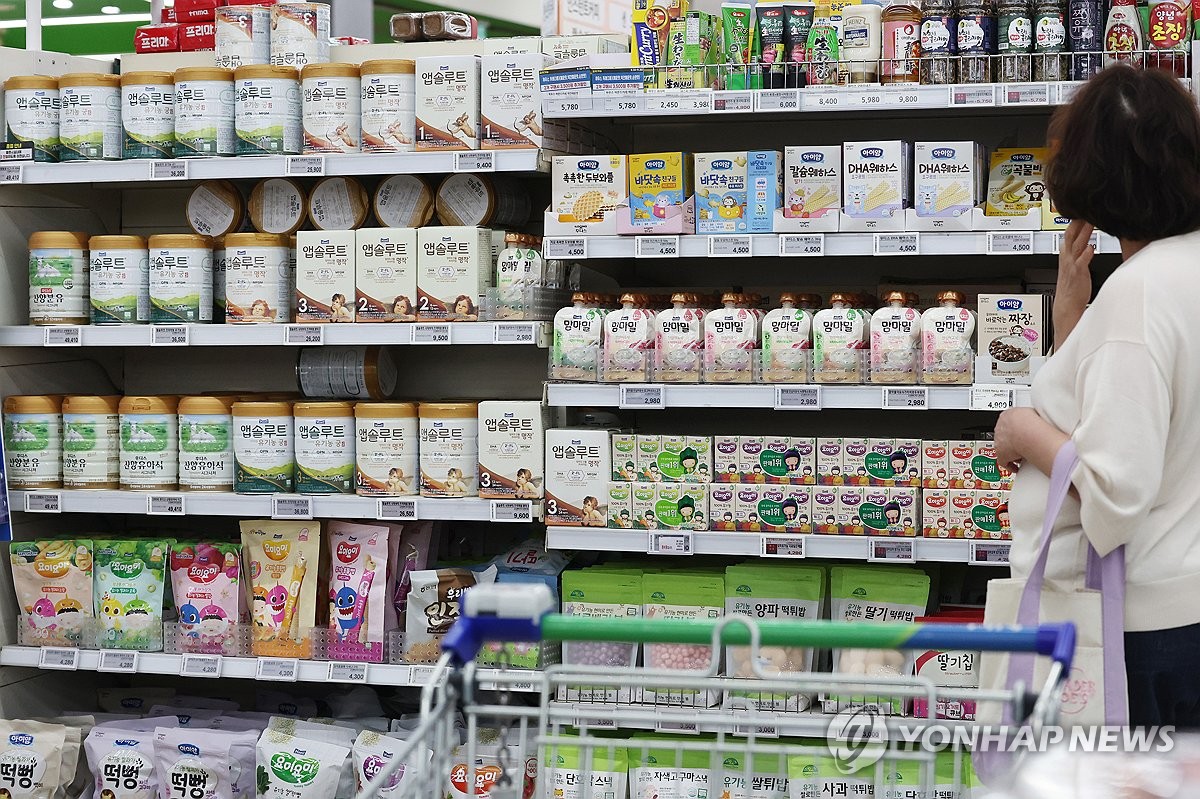
Retail sales rise 13.01%
South Korea’s infant-formula market is showing signs of recovery after a prolonged contraction, supported by an increase in births and rapidly growing demand for premium products. According to food-industry data from the Korea Agro-Fisheries & Food Trade Corporation, or aT, retail-store formula sales reached 6.203 billion won in the first quarter, up 13.01% from 5.489 billion won a year earlier. The figures exclude online sales.
The improvement follows a change in the country’s demographic trend. Market Economy News, citing the national data agency, reported that 254,000 children were born in 2025, an increase of 6.8% from the previous year and the largest rise in 15 years. The total fertility rate returned to the 0.80 range for the first time since 2021.
Company results also point to stronger demand. Maeil Dairies’ analysis estimates that the domestic formula market grew 6.7% in 2025 after declining through 2024 and forecasts another 5.7% increase in 2026. In the first half of 2026, formula sales rose 35% at Maeil Dairies, 40% at Ildong Foodis and 2.3% at Namyang Dairy Products compared with the same period a year earlier.
Premium products outpace the market
The recovery is concentrated in higher-priced products rather than standard formula. Market Economy News linked that pattern to the “gold kids” trend, in which families with fewer children spend more on each child and give greater weight to ingredients and quality. At Ildong Foodis, an 800-gram package of standard True Mom formula costs 39,800 won, while its goat-milk infant product costs 54,900 won, about 38% more.
The price premium has not constrained demand. First-half sales of Ildong Foodis goat-milk infant products increased 30% year on year, while Maeil Dairies’ goat-milk formula sales rose 35%. At E-Mart, total formula sales grew 8.4% during the same period, but premium-formula sales jumped 110%.
Maeil Dairies expects premium-formula sales to grow by more than 10% in 2026, extending gains recorded even while the overall market contracted between 2021 and 2024. It also forecasts goat-milk formula’s market share will increase from 10.2% in 2022 to 12.7% in 2026.
Imports and product launches increase
Demand is also supporting imported premium brands, including Danone’s German Aptamil products. Prepared infant-formula imports increased from 4,215 tonnes in 2024 to 4,616 tonnes in 2025, according to agricultural and food statistics cited by Market Economy News. That represents additional competition for domestic dairy groups as consumers broaden their premium-product choices.
Suppliers are responding with launches after years of limited product development. Maeil Dairies introduced Absolute Goat 100 in September 2025, its first new formula product in seven years. Namyang Dairy Products launched First 100 Days Formula in July 2026, its first formula introduction in nine years. Industry attention is now extending to complementary foods and other infant-food categories, although future expansion still depends on whether the rise in births can be sustained. With the infant population remaining historically small, suppliers are likely to prioritize higher average spending and premium brand positioning over volume-led expansion.