South Korea’s infant formula market rebounds as premium sales and exports rise
South Korean infant-formula and baby-food sales are recovering as births increase, parents favor premium products and exports support demand. Maeil Dairy’s first-half formula sales rose 35%, while Namyang Dairy Products and Ildong Foodis also reported growth.
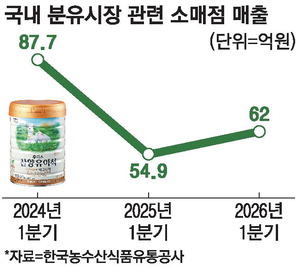
Formula sales return to growth
South Korea’s infant-formula and baby-food business is showing signs of recovery after a prolonged contraction in its core consumer base. According to Maeil Business Newspaper, retail sales linked to the domestic formula market increased from KRW 5.489 billion in the first quarter of 2025 to KRW 6.203 billion in the first quarter of 2026, a rise of about 13%. The publication described this as the first rebound in consumption in 10 years.
The improvement coincides with 14 consecutive months of growth in the number of births. Formula demand responds relatively quickly to demographic changes, while baby-food consumption follows as children advance through later feeding stages. This gives dairy and food manufacturers an opportunity to generate continuing sales from the same birth cohort, although the durability of the recovery will depend on whether the rise in births continues.
Premium products lead company results
Premiumization is amplifying the effect of the larger infant population. Maeil Dairy’s formula revenue increased 35% year on year in the first half, led by strong sales of its premium Absolute Myeongjak and Absolute Goat ranges. Ildong Foodis recorded a 30% increase in premium formula sales and a 10% rise in baby-food sales. The performance reflects parents’ focus on product quality, ingredients and safety rather than price alone.
The trend is associated with South Korea’s “gold kids” market, in which households concentrate spending on a smaller number of children and are willing to pay more for products linked to health and development. Safety concerns involving overseas products have also strengthened confidence in premium domestic brands, Maeil Business Newspaper reported. For manufacturers, this means revenue can grow faster than the number of infants if consumers continue moving toward higher-priced goat-milk formulas, tailored nutrition and products designed for specific ages and development stages.
Exports add a second source of demand
Namyang Dairy Products reported an 11% increase in first-half formula sales, supported by higher exports as well as the domestic recovery. Overseas demand is therefore becoming an additional variable for an industry that has traditionally been highly exposed to South Korea’s birth rate. Sustained export growth could allow producers to use domestic manufacturing capacity more efficiently and reduce their dependence on a single demographic market.
Companies are responding with new products and stronger marketing, including customized baby foods and nutrition plans aligned with children’s ages and growth stages. The immediate figures favor established domestic suppliers with recognized premium brands, but they also raise competitive pressure over safety credentials, formulation and consumer trust. The market’s next phase will be determined by three measurable factors: whether birth growth persists, whether parents maintain premium spending and whether overseas demand can continue supporting formula volumes beyond the domestic rebound.