South Korean industrial rice use rises 22% as household consumption hits record low
South Korean food and beverage manufacturers used 1.07 million tonnes of rice in 2025, up 22.0%, while annual consumption per person fell to a record-low 53.9 kg. Processed-food exports are also growing, but imported rice could capture part of the additional industrial demand.
Rice demand moves from kitchens to factories
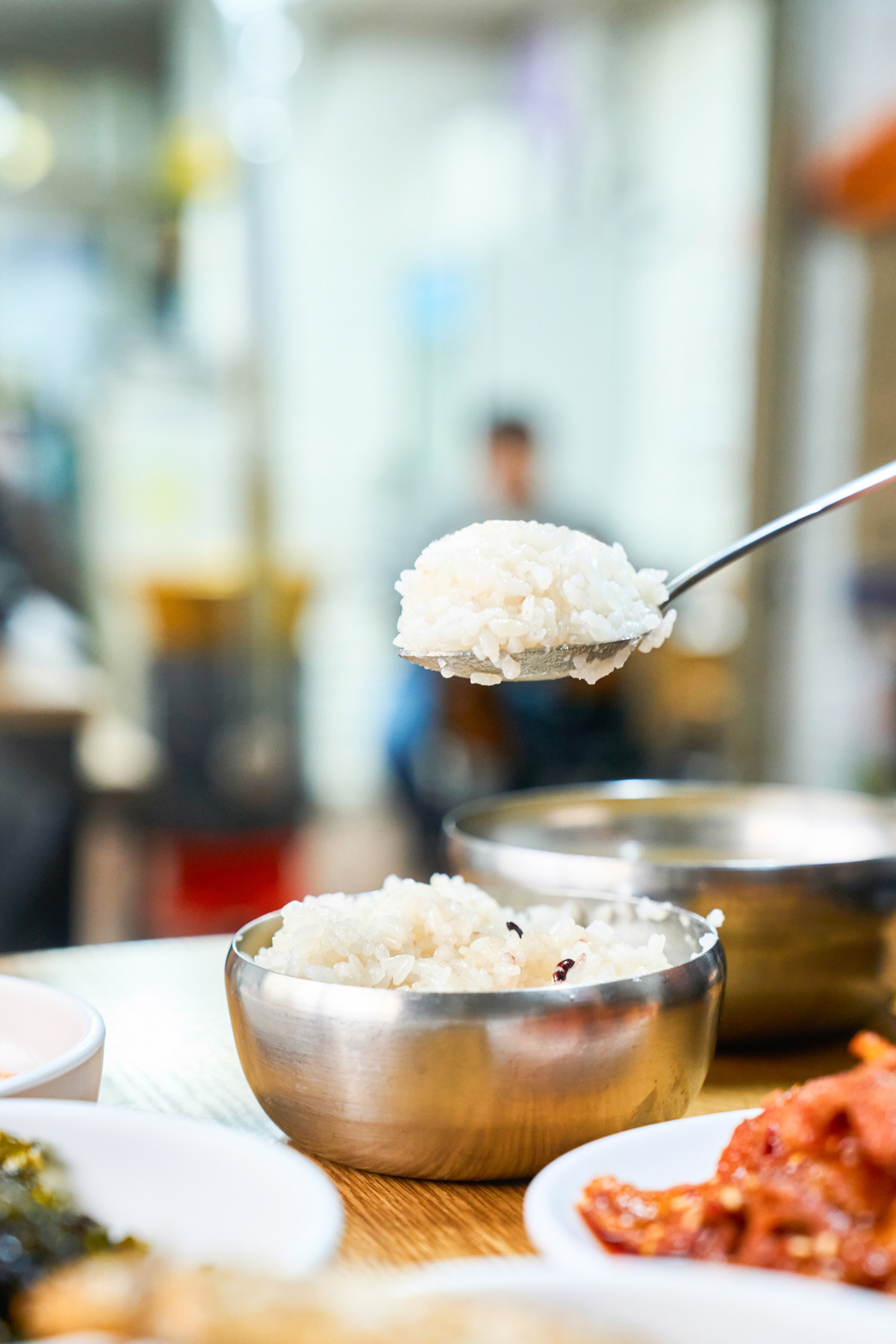
South Korea’s rice market is shifting away from direct household consumption and toward industrial processing. According to an analysis by EToday of the National Data Office’s 2025 Grain Consumption Survey, annual rice consumption per person fell 3.4% to 53.9 kg in 2025, the lowest level on record. Average daily consumption declined to 147.7 g.
The fall extends a multi-year trend. Per-capita consumption decreased from 56.7 kg in 2022 to 56.4 kg in 2023 and 55.8 kg in 2024 before reaching 53.9 kg. The National Data Office did not specify the reasons for the latest decline. EToday linked the broader trend to the growth of single-person households, changing diets and greater use of restaurants and food-delivery services, which reduce the frequency of cooking rice at home.
Industrial demand moved in the opposite direction. Food and beverage manufacturers used 1,065,324 tonnes of rice in 2025, an increase of 22.0% from the previous year. Rice use by food manufacturers alone rose 35.4% to 791,656 tonnes, showing that processed foods are becoming a more important outlet for the grain.
Rice cakes, prepared meals and alcohol lead demand
Rice-cake manufacturers accounted for the largest share of industrial use at 24.9%. Producers of distilled alcohol represented 20.3%, while manufacturers of prepared and cooked meals—including instant rice and lunchboxes—accounted for 14.3%. The figures indicate that demand is increasingly tied to convenience foods and specialized processing rather than bags of rice purchased for household cooking.
This change is also visible in overseas sales. The Ministry of Agriculture, Food and Rural Affairs said exports of processed rice products reached $149.8 million in the first half of the year, up 7.9% from the same period a year earlier. Shipments to Europe increased 17.4% to $14.8 million.
The export portfolio now includes frozen gimbap, instant rice, tteokbokki and rice snacks. These products combine convenient preparation with consumer interest in Korean food generated by Korean cultural content. Rice is also gaining attention as an ingredient for gluten-free products among consumers seeking alternatives to wheat flour.
An agricultural-food exporter cited by EToday said the overseas market for Korean rice sold directly as a raw ingredient is limited. Processed products such as frozen gimbap and tteokbokki are more accessible because they combine food with a recognizable preparation method and cultural context, and can be consumed immediately as a meal or snack.
Domestic farmers may not capture all the growth
The government is broadening rice policy beyond table rice. The agriculture ministry aims to expand the processed-rice market from 8.4 trillion won in 2022 to 17 trillion won in 2028. It also targets an increase in exports from $182 million to $400 million.
However, higher industrial use does not automatically translate into stronger demand for South Korean-grown rice. The business-sector consumption data combine domestic and imported rice. If processors meet rising demand with imports, local farmers may see less growth in sales and income than the headline industrial figures suggest.
Processors select rice according to price, variety, quality, texture and suitability for specific production lines. Rice cakes, prepared rice and snacks require different characteristics, while factories need stable volumes of consistent-quality grain. Agricultural industry representatives therefore argue that contract farming should connect processors and growers before planting. Companies would specify the required variety, quality and quantity, while farmers would receive commitments on prices and purchases. Such arrangements could give processors reliable inputs and determine how much of the expanding processed-food market flows back to domestic rice producers.