South Korean heatwave cuts leafy vegetable supply and pushes prices to record highs
Persistent extreme heat has temporarily reduced shipments of spinach, young radish greens and cucumbers in South Korea. Wholesale prices for major vegetables reached record highs at the end of last month, increasing the cost of everyday side dishes.
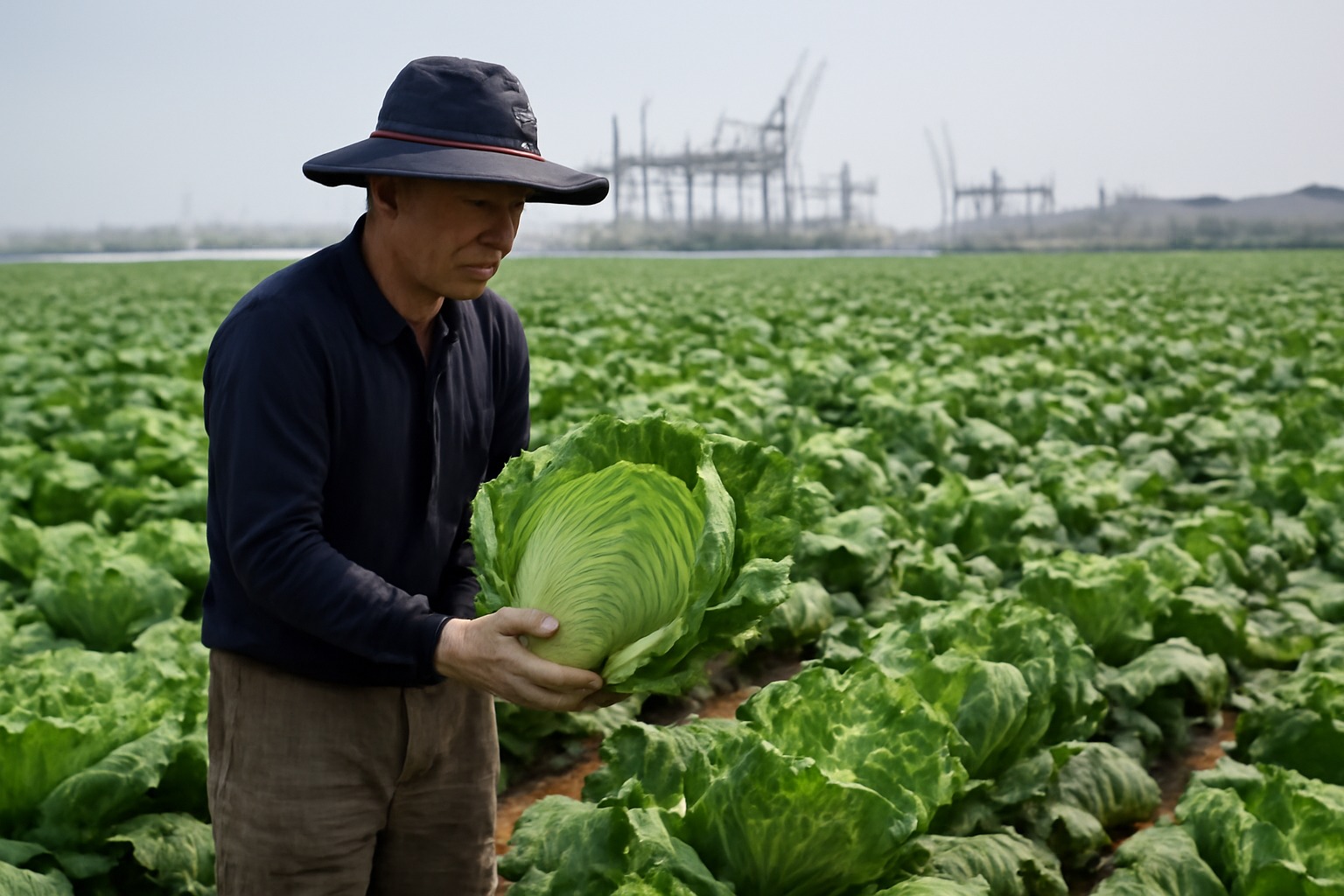
Extreme heat restricts vegetable shipments
Persistent extreme heat in South Korea has reduced the volume of vegetables reaching the market, creating a short-term supply squeeze in several widely consumed categories. Spinach, young radish greens and cucumbers are among the products recording sharp price increases as hot weather disrupts normal shipments.
The immediate problem is availability rather than a reported change in consumer demand. Unusually high temperatures have temporarily lowered shipment volumes, leaving wholesalers and retailers with less produce to distribute. Leafy vegetables are particularly exposed because the current pressure includes spinach and young radish greens, both common ingredients in Korean meals and side dishes.
Wholesale prices reach record levels
Wholesale prices for major vegetables set record highs at the end of last month. The increase has been described as heatflation: inflation generated when extreme temperatures reduce agricultural supply and push food prices higher. Cucumbers have risen alongside leafy vegetables, showing that the impact is not limited to a single crop or product group.
The wholesale surge is feeding through to retail shelves. With prices climbing across the vegetable category, households face higher costs when preparing basic side dishes. That broad impact matters because consumers cannot easily avoid the increase by switching between spinach, young radish greens and cucumbers when several alternatives are becoming more expensive at the same time.
Supply recovery depends on weather and shipments
For producers, the higher prices do not automatically mean stronger returns. Reduced shipment volumes limit the quantity available for sale, while extreme heat can complicate harvesting and market supply. Wholesalers must compete for tighter volumes, and retailers must decide how quickly to pass higher procurement costs to consumers.
The duration of the price pressure will depend on how quickly shipment volumes recover. The reported decline is temporary, but continued extreme heat may delay normalization and keep the market exposed to further volatility. Market participants will therefore watch daily arrivals and wholesale prices for evidence that supplies of spinach, young radish greens and cucumbers are stabilizing.
The episode also shows how weather shocks can move rapidly through a domestic fresh-produce chain. A heat-related reduction in farm shipments first tightens wholesale availability and then raises the retail cost of routine food purchases. For vegetable growers, distributors and supermarkets, the central issue is whether supply can recover before elevated prices materially alter household purchasing patterns.