South Korean grape growers flag falling prices, climate pressure and weak exports
A national grape symposium in Gimcheon examined falling prices, climate change and sluggish exports facing South Korea’s grape industry. Producers called for less emphasis on large fruit and warned that reduced export-policy support is adding pressure.
Growers put industry pressures under review
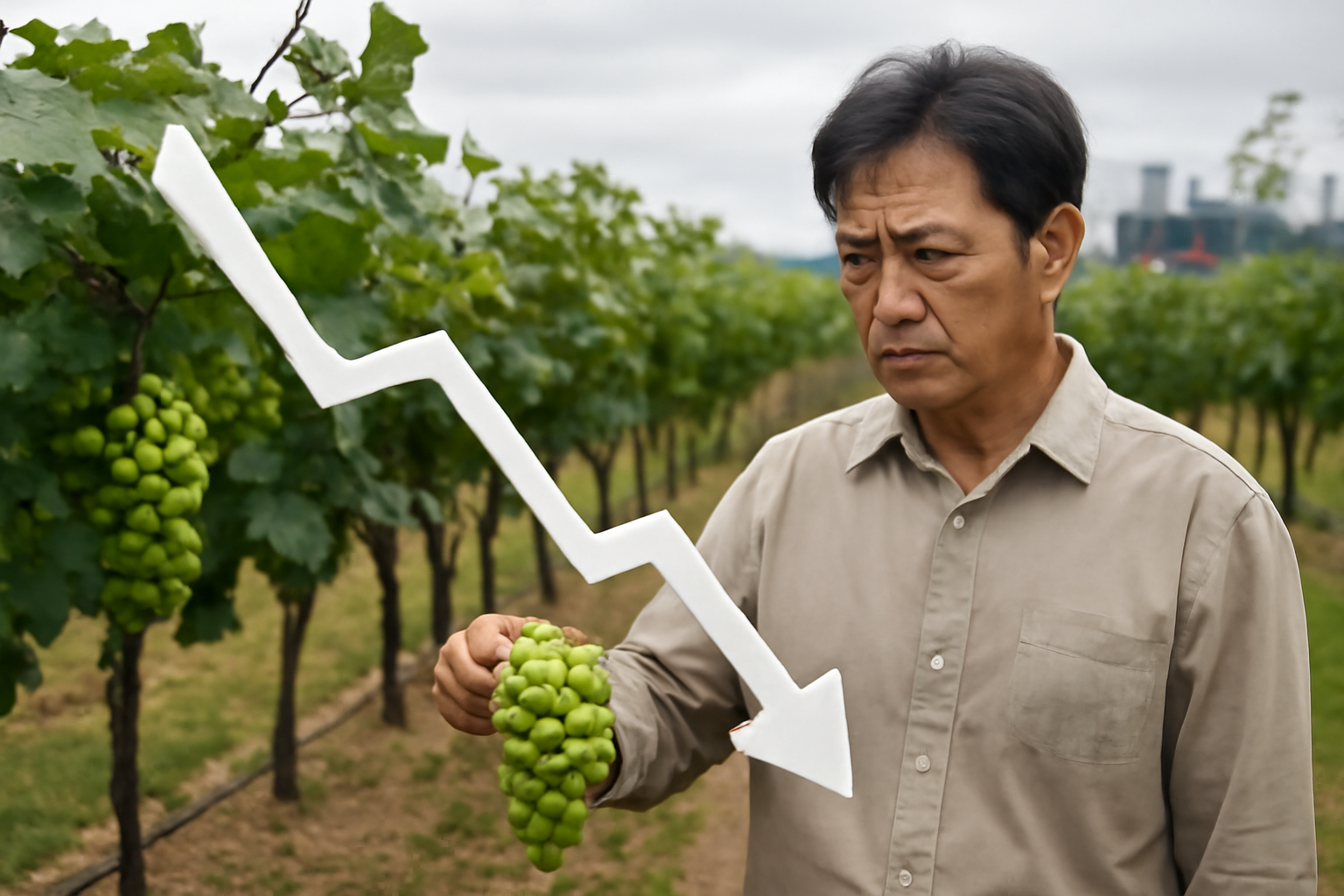
South Korean grape producers have raised concerns about falling prices, climate change and sluggish exports, bringing the issues together at a national symposium held in Gimcheon. The meeting, titled “Is the Grape Industry Okay as It Is?”, focused attention on the commercial and production challenges confronting growers.
Energy Economy Newspaper reported that producers used the symposium to question whether current market preferences and government policies remain suitable for the industry. Their concerns point to pressure on several fronts: weaker prices affect farm revenue, changing climate conditions complicate production, and poor export performance limits an outlet beyond the domestic market.
Large-fruit preference comes under scrutiny
One demand from producers was for South Korea to change its preference for large grapes. The call suggests that fruit size is not merely a consumer choice but also a factor shaping production decisions and marketability. When buyers place strong weight on large fruit, growers may face greater commercial risk if weather conditions make the desired size or appearance more difficult to achieve.
A broader range of accepted sizes could give producers more flexibility in marketing their crop. It could also reduce the volume of grapes facing weaker demand because they do not meet prevailing preferences. The symposium report did not detail a specific campaign or regulatory proposal, but the growers’ message was clear: domestic demand standards need to adjust to the conditions facing production.
Climate and prices create a combined challenge
Climate change was reviewed alongside declining prices rather than as an isolated agricultural issue. For growers, the combination matters. Production becomes harder to manage when climate conditions are less dependable, while lower selling prices leave less room to absorb the resulting risks and costs.
The available report did not provide crop volumes, price levels or forecasts. It nevertheless shows that producers see price weakness and climate pressure as connected threats to the sector’s viability. Processors, distributors and retailers also have an interest in the outcome because persistent pressure at farm level can influence product availability, quality specifications and relationships with suppliers.
Export slowdown raises policy questions
Weak exports were the third major issue discussed in Gimcheon. Producers said the reduction of export policies had become an additional burden. The report did not identify the measures that had been scaled back, but the complaint indicates that growers view policy support as important to maintaining access to overseas markets.
For exporters, sluggish foreign sales can increase dependence on domestic demand at a time when prices are already under pressure. Producers are therefore calling for action on both sides of the market: a change in domestic preferences and renewed attention to export policy. The symposium did not announce a resolution, but it placed growers’ priorities on the record and highlighted the need for policymakers and market participants to address prices, production conditions and overseas sales together.