South Korea’s Full GMO Labeling Plan Raises Food-Cost and Competition Concerns
South Korea’s planned comprehensive GMO labeling regime is intended to strengthen consumers’ right to know. Food industry participants warn that it could also raise ingredient costs, encourage selective shifts to non-GMO inputs and narrow consumer choice.
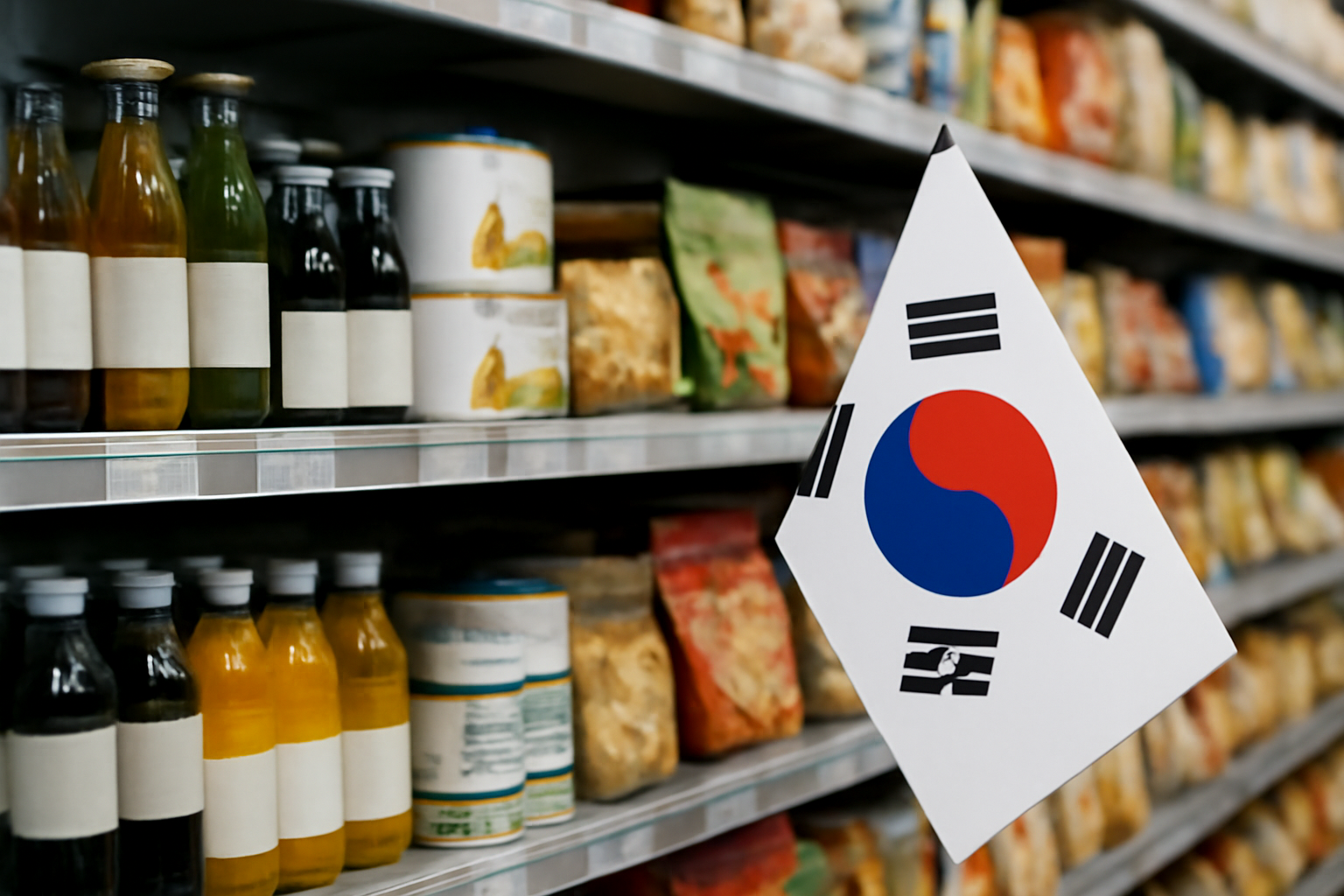
Labeling plan puts food costs under scrutiny
South Korea’s move toward comprehensive labeling of genetically modified food is prompting concern about its potential effect on production costs, consumer prices and competition in the domestic food market. The policy is being introduced to expand consumers’ right to know, but food industry participants warn that its implementation could have consequences beyond the information printed on packaging.
The central concern is the cost of ingredients. If manufacturers decide that products carrying a GMO label could face weaker demand, they may seek non-GMO alternatives even when the rules do not require them to change their recipes. Such substitutions could increase procurement expenses and add pressure to food prices. The impact would depend on how consumers respond to the new labels and which product categories companies consider especially sensitive.
A selective shift to non-GMO ingredients
Industry participants do not expect foodmakers to replace GMO-derived inputs with non-GMO ingredients across all product lines at once. Instead, they anticipate a gradual shift concentrated in categories where consumers pay closer attention to ingredient labels. This would allow companies to limit additional costs while protecting brands or products that they believe are more exposed to changes in consumer perception.
That approach could produce a more divided food market. Manufacturers with the purchasing power and supply-chain flexibility to secure non-GMO ingredients may offer products positioned for consumers willing to pay more. Other companies may continue using existing inputs and apply the required labels. The result could be fewer choices within some price segments rather than a uniform change across the entire market.
The risk is particularly relevant for domestic foodmakers whose margins may already leave limited room to absorb higher ingredient expenses. Companies would have to decide whether to pass those costs to consumers, accept lower profitability or reformulate selected products. Each option carries a commercial cost, and the burden may not be distributed evenly between large manufacturers and smaller producers.
Competitiveness and consumer choice
Warnings about weaker competitiveness reflect more than the direct price of non-GMO inputs. A change in sourcing can also require supplier reviews, product testing, segregation of ingredients and adjustments to packaging and production processes. The available source material does not quantify these costs, but industry concerns indicate that compliance and reformulation could affect the economics of food manufacturing.
Consumers could gain clearer information about how food is produced while also facing higher prices or a narrower range of products. Much will depend on whether shoppers treat a GMO label as neutral information or as a reason to avoid a product. A strong preference for non-GMO alternatives would give manufacturers a larger incentive to change ingredients, increasing demand for those supplies and potentially widening price differences between product categories.
The policy’s market effect will therefore be shaped by implementation details and corporate responses. A broad, immediate switch to non-GMO sourcing is considered unlikely, but gradual changes in sensitive categories could still influence procurement strategies and retail pricing. Food producers, ingredient suppliers and retailers will need to monitor whether labeling changes purchasing behavior before committing to extensive reformulation.
Balancing disclosure with market effects
The debate presents policymakers with a trade-off between fuller disclosure and possible pressure on food affordability and industrial competitiveness. Comprehensive labeling can give consumers more information without formally restricting the use of GMO ingredients. Yet if labels change demand, the commercial outcome may resemble an informal push toward non-GMO sourcing in parts of the market.
For South Korean food companies, the immediate task is to identify which products are most vulnerable to consumer concern and where alternative ingredients can be sourced at an acceptable cost. The eventual effect on food prices and choice cannot be determined from the available information. The industry’s warning is that labeling decisions made for transparency could also reshape sourcing, product positioning and competition.