South Korea expects stable egg and chicken supply despite heatwave
South Korea’s egg and chicken supply is expected to remain broadly stable despite persistent extreme heat. Higher laying-hen and broiler inventories and rising production are forecast to push producer egg prices and live-broiler distribution prices lower in August.
Expanded flocks support supply
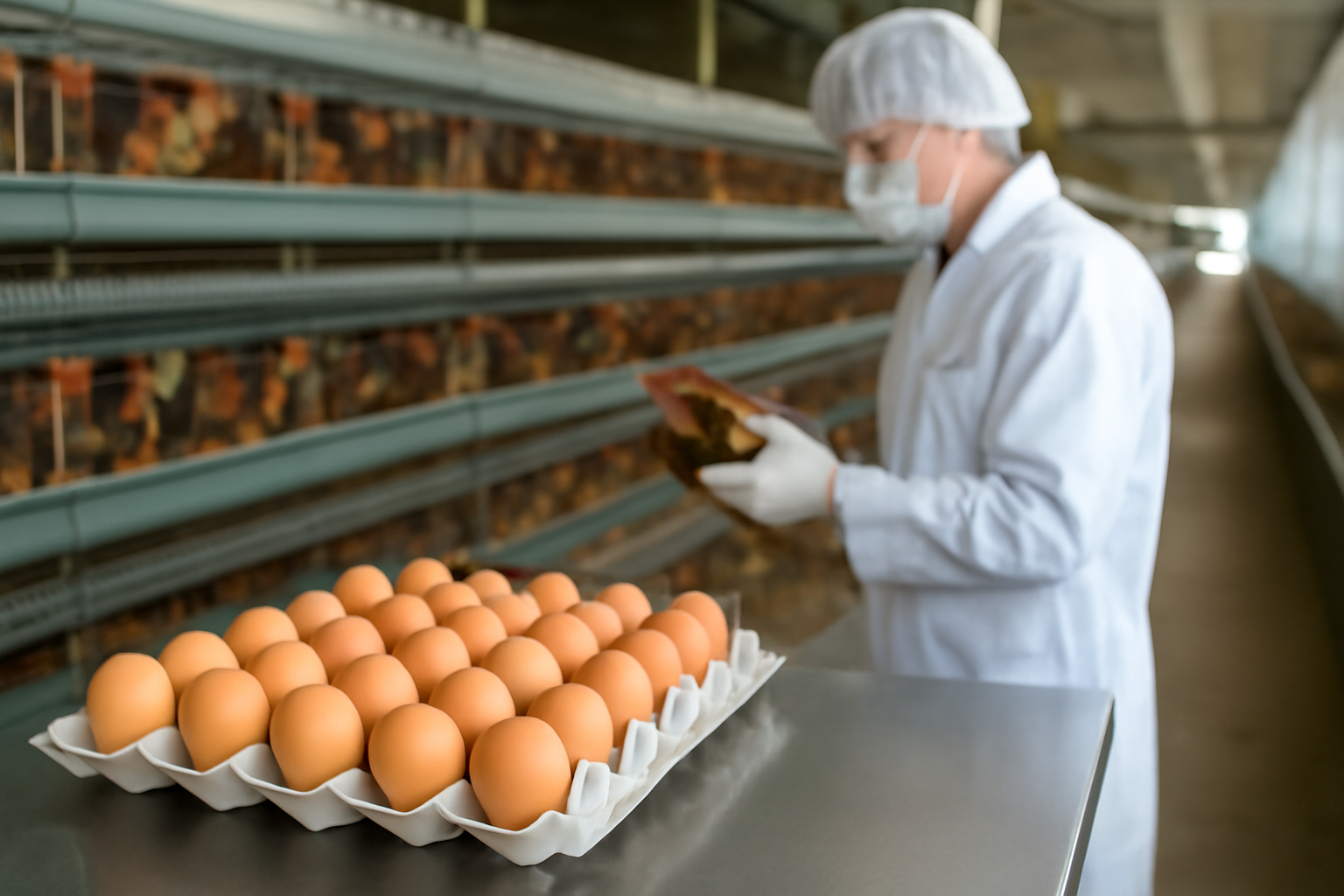
South Korea’s egg and chicken markets are expected to remain adequately supplied despite a prolonged heatwave, according to the August livestock outlook published by the Agricultural Outlook Center at the Korea Rural Economic Institute, or KREI. The assessment indicates that the extreme weather has not overturned the broader supply outlook for the two markets.
Inventories of both laying hens and broilers are higher than a year earlier. That expanded production base is expected to lift output, supporting the availability of eggs and chicken through August even as high temperatures remain a risk for poultry farms.
The outlook is significant because heat can disrupt poultry production, but KREI’s forecast points to flock size and expected output as the dominant market factors. The report therefore anticipates stable overall supply rather than a heat-driven shortage.
Prices forecast to decline in August
KREI expects the producer price of eggs to fall in August as production increases. The forecast concerns prices received at the farm level, where additional supply is expected to create downward pressure during the month.
Live-broiler distribution prices are also projected to decline. Higher broiler inventories and the associated increase in production should leave buyers with more available supply, limiting the potential for persistent heat alone to lift market prices.
The outlook covers two related but distinct poultry markets. Egg pricing depends on output from the larger laying-hen flock, while chicken pricing reflects conditions in the broiler sector and the distribution of live birds. In both cases, the expected direction is the same: greater production and lower prices in August.
Heat remains the main uncertainty
The continuing heatwave remains a variable because poultry performance can change under extreme temperatures. However, the available outlook does not indicate that weather-related disruption will be large enough to offset the year-on-year increase in bird numbers and the expected growth in production.
For producers, falling farm and distribution prices could reduce the benefit of selling a larger volume. Buyers, processors and food-service operators, meanwhile, may face less immediate supply pressure if the production forecast is realized. The effect on each business will depend on its purchasing arrangements and exposure to live-bird or farm-gate pricing.
KREI’s August outlook ultimately presents the South Korean poultry market as supply-led. Larger laying-hen and broiler populations are expected to outweigh the effects of extreme heat, keeping eggs and chicken available while placing downward pressure on the prices monitored in their respective domestic channels.