South Korea moves toward CPTPP membership as farmers warn of market-opening risks
South Korea has formally signaled that it will consider joining the CPTPP to expand access to markets including Mexico and support exports of consumer goods and Korean content. Agricultural groups oppose the move, citing the pact’s 96.3% average tariff-elimination rate for food and agricultural products.
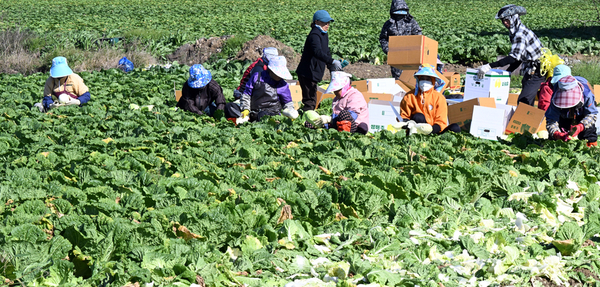
Government signals a shift on CPTPP
South Korea has formally indicated that it will consider joining the Comprehensive and Progressive Agreement for Trans-Pacific Partnership, or CPTPP, prompting strong opposition from domestic farming and fishing organizations. The government sees the trade pact as a way to reach new markets and expand exports, while producers fear that deeper tariff cuts would expose them to substantially more competition from major agricultural exporters.
Industry and Trade Minister Kim Jung-kwan outlined the plan during a presidential policy briefing on the 4th. He said the government would review membership to secure new markets including ASEAN and Mexico and to increase exports of Korean content and consumer goods. Kyeongin Ilbo reported that the statement marked a change from the government’s position since June that no decision had been made regarding a CPTPP application.
Farm groups warn of import competition
On the 6th, organizations including the Korea Agricultural and Livestock Federation and the Korean Council of Comprehensive Agricultural Organizations held a press conference at the National Assembly. They argued that joining an agreement involving agricultural powers such as Australia, New Zealand and Chile would increase inflows of lower-priced foreign farm and livestock products and weaken South Korea’s domestic production base.
The organizations said farmers and fishers were already under pressure from market opening under existing free trade agreements. In their assessment, the CPTPP would bring an unprecedented degree of liberalization and threaten the livelihoods of domestic producers. Their concern centers on the combination of broad tariff removal and direct competition with members that have large and internationally competitive agricultural industries.
Tariff gap highlights the stakes
Data from the Korea Rural Economic Institute illustrate the potential scale of the change. Across CPTPP members, the average liberalization rate for food and agricultural products—measured as the share of tariff lines subject to tariff elimination—is 96.3%. By comparison, South Korea’s existing free trade agreements with nine CPTPP members have an average liberalization rate of 78.4%.
The difference of 17.9 percentage points does not by itself determine the impact on every product. Any eventual outcome would depend on South Korea’s negotiated commitments, implementation periods and treatment of sensitive categories. However, the figures explain why producer groups view CPTPP accession as a materially broader opening than the trade arrangements already in force.
Agricultural impact study begins
The Ministry of Agriculture, Food and Rural Affairs has commissioned the Korea Rural Economic Institute to assess the likely reduction in domestic agricultural production and the level of potential damage. A ministry official acknowledged that market opening would inevitably create losses for domestic agriculture and said the government would prepare necessary responses based on the study’s findings.
The review places agricultural safeguards and adjustment measures at the center of the next phase of the membership debate. For exporters of consumer goods and Korean content, CPTPP participation could improve access to participating markets. For farmers, livestock producers and fishing businesses, the central questions are which products would receive protection, how quickly tariffs would fall and whether support would offset pressure on prices and production. The government has signaled an intention to proceed with a review, but the source material does not report that a formal application has yet been submitted.