South Korea’s coal-ammonia retreat disrupts Japan’s procurement plans
South Korea has abandoned plans to co-fire ammonia at coal power plants, leaving Japan as the only buyer pursuing ammonia for this use. Nikkei reports that the decision threatens Tokyo’s efforts to establish a procurement framework for the emerging fuel market.
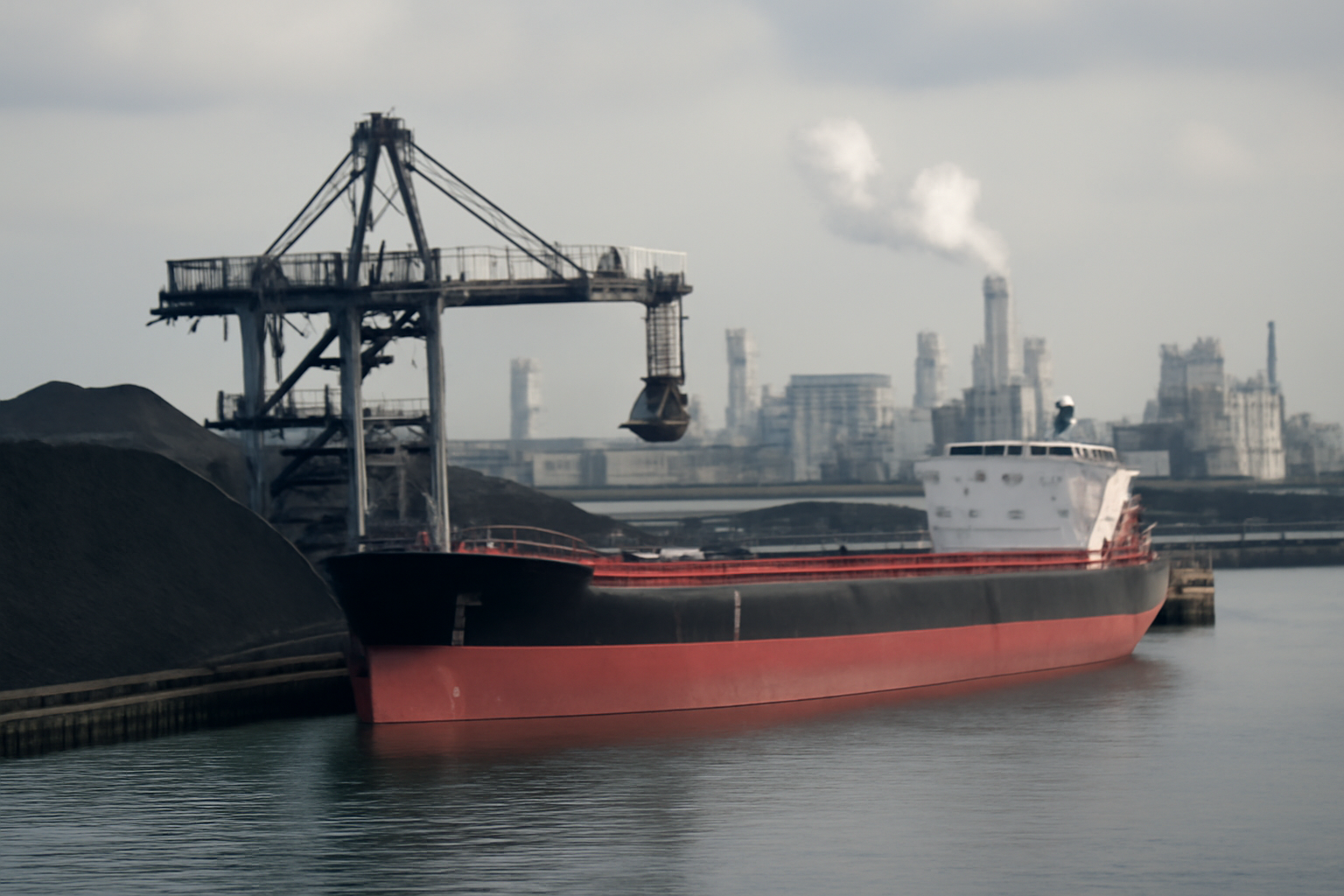
South Korea abandons coal-ammonia co-firing
South Korea has dropped its plan to burn ammonia alongside coal at thermal power stations, a decision that directly affects Japan’s strategy for securing ammonia supplies. Nikkei reported the development on the 6th, according to South Korean publication Edaily.
The withdrawal removes one of the countries expected to create demand for ammonia used in coal-fired generation. Japan is now the only remaining buyer pursuing ammonia for this application, according to the report. That leaves Tokyo seeking to develop a procurement structure for a market with a substantially narrower customer base.
Japan loses a potential partner market
Japan had invested considerable effort in its ammonia procurement concept. South Korea’s participation would have provided another source of demand for the same broad end use: mixing ammonia with coal and burning the blend at existing thermal power plants. Seoul’s decision means that Japan can no longer build its plans around parallel demand from its nearest major industrial neighbor.
The setback is commercial as well as strategic. A fuel supply chain serving one national market has fewer potential buyers than one supported by both Japan and South Korea. Suppliers considering production or delivery arrangements for coal-power ammonia must now assess demand without the Korean co-firing program. Japan, meanwhile, has less scope to rely on regional purchasing volumes when advancing procurement plans.
A narrower market for co-firing ammonia
The decision does not concern all uses of ammonia. Its immediate effect is on ammonia intended for co-firing at coal plants. This distinction matters for producers, traders and investors assessing the emerging market: South Korea’s retreat eliminates anticipated demand from one specific power-generation route, while leaving Japan alone on the buying side for that route.
Japan’s position as the sole buyer also concentrates commercial risk. Proposed supply arrangements would depend more heavily on Japanese demand, policy continuity and project execution. For sellers, losing a second national customer reduces the number of potential outlets. For Japanese buyers, the absence of a neighboring market may make it harder to develop a broad procurement system around shared regional demand.
Procurement assumptions face revision
Nikkei characterized the Korean move as a direct blow to Japan’s plans. The central problem is not simply the loss of one project or power station. South Korea’s withdrawal changes the expected market structure by leaving only one country purchasing ammonia for coal co-firing.
Japanese planners and prospective suppliers must therefore revisit assumptions about the scale and diversity of demand. The emerging trade can still be developed around Japanese consumption, but it will no longer have the two-country demand base implied by South Korea’s earlier plan. Until another buyer adopts the same use, Japan’s procurement effort will carry the burden of establishing this segment of the ammonia market alone.