South Korea expects larger apple and pear crops despite concentrated heat damage
South Korea forecasts apple production at 487,100 tonnes and pear output at 200,000 tonnes in 2026, despite summer heat and drought. Damage is concentrated in South Gyeongsang Province, raising greater concern for sweet persimmons, while increased apple and pear shipments are lowering prices before Chuseok.
Apple and pear output remains on course to grow
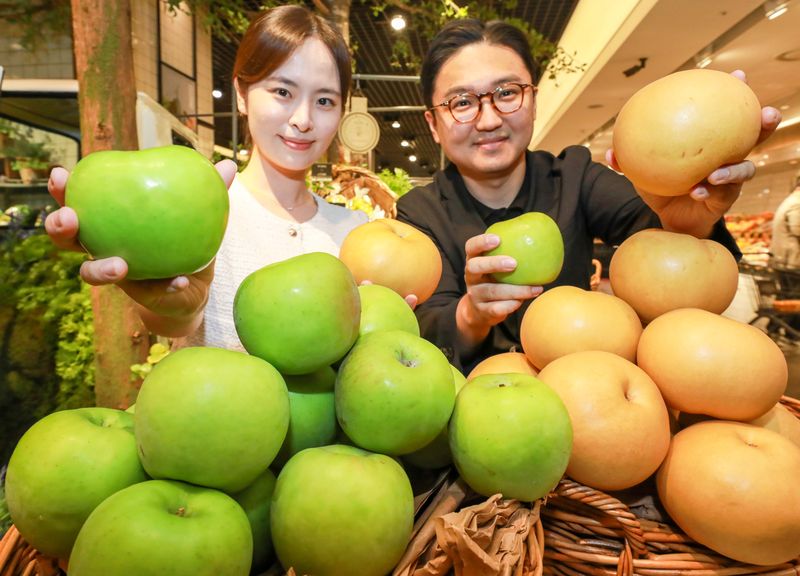
South Korea expects larger apple and pear crops in 2026 despite summer heat and drought, with the damage reported so far concentrated overwhelmingly in South Gyeongsang Province. The Ministry of Agriculture, Food and Rural Affairs said on August 20 that overall fruit supplies should remain stable, including during the Chuseok demand period.
An early-August forecast by the Korea Rural Economic Institute put apple production at 487,100 tonnes, up 8.7% from last year. Pear output was projected at 200,000 tonnes, an increase of 1.3%, while sweet persimmon production was initially expected to rise 7.0% to 96,300 tonnes. The ministry said apples and pears should still exceed last year's production after recent weather damage is taken into account, although sweet persimmon output could now decline.
Gyeongnam bears almost all reported damage
As of August 19, reported heat damage covered 54.6 hectares of apples, 53.8 hectares of pears and 1,696.7 hectares of sweet persimmons, according to the ministry. South Gyeongsang, also known as Gyeongnam, accounted for 99.2% of the combined affected area and 99.7% of reported sweet persimmon damage.
The concentration matters because Gyeongnam represented 67.6% of South Korea's sweet persimmon area in 2024. Its shares of national apple and pear acreage were much smaller, at 11.1% and 5.0%, respectively. The Gyeongnam Agricultural Research and Extension Services estimated damage rates for apples and pears at below 5%. Reported areas represented only 0.6% of total apple acreage and 0.2% of pear acreage, limiting the expected effect on national availability.
Higher arrivals push early-season prices lower
Supplies of early-season fruit are already increasing. Daily average arrivals of the early apple variety Tsugaru reached 106 tonnes in mid-August, 20.5% more than a year earlier. Its wholesale price fell 18.1% year on year to 45,819 won per 10 kilograms, while the retail price declined 28.6% to 19,009 won for 10 apples.
Early-season Wonhwang pears also recorded higher shipments as pest and disease pressure eased and growing conditions remained favorable. Wholesale prices began August above last year's level because inventories of stored pears had been depleted quickly. They subsequently followed their normal seasonal decline, falling from 70,696 won per 15 kilograms on August 3 to 48,452 won on August 19.
Government prepares Chuseok supply measures
The government plans to spread the release of designated fruit volumes around Chuseok and offer discounted holiday gift sets. Through 62 agricultural cooperatives in major fruit-growing regions, it has also supplied crop-protection products and nutrients at discounts of up to 50% since June. The scale of that support is 12.0% larger than last year.
For growers and wholesalers, the outlook divides the fruit market by crop and region. Larger apple and pear volumes should improve availability and restrain prices during the holiday season. Sweet persimmon producers face greater uncertainty because damage overlaps with the country's main production zone, meaning the national result will depend heavily on how affected Gyeongnam orchards perform through harvest.