Record yields narrow South Africa’s soybean productivity gap, but averages still trail Brazil and US
South Africa’s soybean yield averages 2.5 tonnes per hectare, compared with 3.2 tonnes in Brazil and 4 tonnes in the United States. Recent record yields suggest that better genetics and farming practices could narrow the gap, although the available figures do not establish whether the gains are widespread or durable.
Average yield remains below major producers
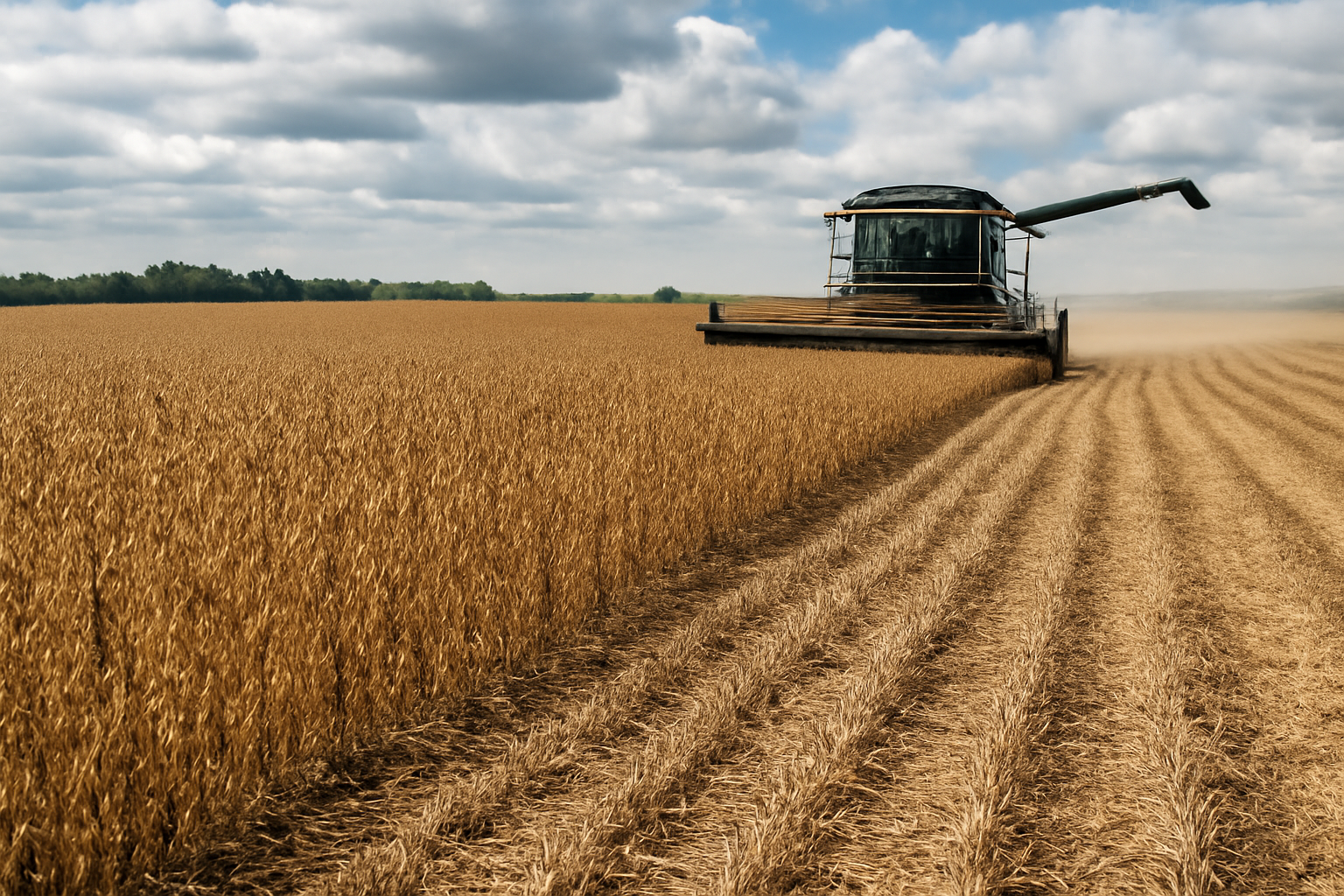
South Africa’s soybean sector is showing signs of higher productivity, but its national average remains well below the levels achieved by the world’s leading producers. Farmers Weekly puts the country’s average soybean yield at 2.5 tonnes per hectare, compared with 3.2 tonnes per hectare in Brazil and 4 tonnes per hectare in the United States.
That leaves South Africa 0.7 tonnes per hectare behind Brazil and 1.5 tonnes behind the United States. Put another way, the Brazilian average is 28% higher than South Africa’s, while the US figure is 60% higher. For growers, processors and investors, those differences matter because yield determines how much crop can be produced from the existing land base and how effectively fixed production costs are spread across each tonne.
Record results show potential, not yet a new baseline
Farmers Weekly reports that record soybean yields have been achieved, raising the question of whether South African production is beginning to catch up. The available source material does not provide the size, location or season of those records. It therefore cannot establish whether they reflect a broad improvement across the sector or exceptional performance by particular farms.
The distinction is important. Individual record yields demonstrate what can be achieved under favourable combinations of seed, field conditions and crop management. A sustained rise in the national average would require those gains to be repeated across more farms and seasons. Weather variability, differences between production regions and access to suitable inputs can all affect whether exceptional results become commercially reproducible, although the source provides no quantitative assessment of those factors.
Genetics is a central constraint
Limited access to genetics is identified by Farmers Weekly as one reason for South Africa’s yield gap. Improved access to varieties suited to local growing conditions could help more producers approach the performance already demonstrated by the country’s best results. Farming practices will also determine how much of that genetic potential is converted into harvested output.
For seed companies, the gap points to a market for varieties capable of delivering stable performance under South African conditions. For growers, the commercial test is not the maximum yield recorded in one field but whether additional seed and crop-management spending produces dependable returns. Processors would benefit if higher average yields increased domestic availability without requiring an equivalent expansion in planted area.
The comparison with Brazil and the United States provides a useful benchmark, but it does not by itself prove that South Africa can reach the same averages. The present data support a narrower conclusion: record outcomes indicate meaningful agronomic potential, while the national average of 2.5 tonnes per hectare shows that much of this potential has yet to be realised consistently. Evidence from several seasons will be needed before recent gains can be treated as a durable shift in productivity.