South Africa secures second soybean export deal with China for November
South Africa is set to ship about 200,000 tonnes of soybeans to China in November, its second such transaction after exports of 147,000 tonnes in 2023. The deal follows China’s removal of tariffs and comes as South Africa manages a record soybean harvest and a surplus beyond domestic crushing needs.
November shipment follows tariff removal
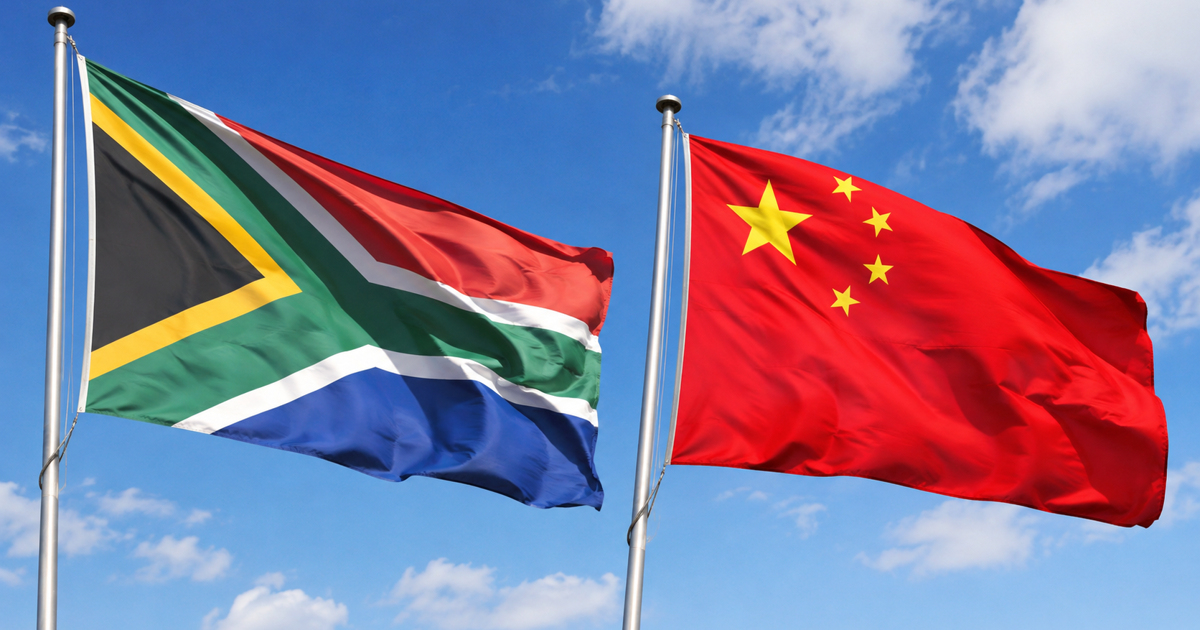
South Africa is set to export about 200,000 tonnes of soybeans to China in November, marking only the second soybean transaction between the two countries. The shipment is larger than the first deal in 2023, when three vessels carried a combined 147,000 tonnes to China.
The new sale follows China’s zero-tariff policy for 53 African countries that maintain diplomatic relations with Beijing. According to Xinhua, the policy took effect on May 1. South African soybeans previously faced a 3% import duty in China, while the tariff change gives them an estimated cost advantage of $15 per tonne over South American competitors.
The South African Cereals and Oilseeds Trade Association, or SACOTA, described the agreement as a much-needed boost for the domestic industry and a step toward securing future market opportunities. The association is continuing preparations for the shipment, including China’s annual registration process for traders, export terminals and silos.
Record crop creates exportable surplus
The transaction arrives as South Africa handles its largest soybean crop on record. Agricultural economist Wandile Sihlobo told EWN that production was around 3 million tonnes. Xinhua cited an April forecast from the Crop Estimates Committee of 2.8 million tonnes for the 2025/26 summer grain season. The figures differ in timing and methodology but both point to exceptionally high output.
South Africa crushes about 2.3 million tonnes of soybeans domestically, according to Sihlobo. That leaves part of the crop available for exports, making access to China important for reducing stocks and supporting local prices. The November deal alone is equivalent to almost 9% of the reported domestic crushing volume, although it remains small relative to China’s overall import demand.
The export also illustrates the rapid development of South Africa’s soybean sector. Sihlobo said the country was importing more than 1 million tonnes of soybean oilcake and some soybeans as recently as 2014. It has since moved into a position where record production can supply crushers at home while creating a surplus for overseas buyers.
China offers scale but competition remains
China buys more than 60% of soybeans traded globally, Sihlobo told EWN. That scale makes it a strategic destination for South African growers, traders and storage operators, but the country will still compete with established South American suppliers on price, consistency, freight and available volumes. The zero tariff improves South Africa’s position without removing those commercial constraints.
The wider opportunity extends beyond soybeans. Sihlobo said China purchases roughly 11% of globally traded agricultural products, worth around $200 billion annually. By comparison, South Africa exports about $15 billion of agricultural products to the world. He said tariff removal could also benefit South African fruit, red meat, grain, poultry and wine by giving producers more choices over where to sell.
For the soybean industry, execution of the November shipment will be the immediate test. Completing registrations and coordinating silos, terminals and traders will determine whether the deal becomes a platform for repeat business. A successful second shipment would not by itself establish a permanent trade flow, but it would demonstrate that South Africa can place a substantial surplus in the world’s largest soybean market.