South Africa’s mining output falls 5.4% in May as iron ore and coal weaken
South African mining production fell 5.4% in May after strong growth in the previous month. Weaker iron ore, coal and platinum group metals output drove the decline, while mineral sales rose 13.9% year over year.
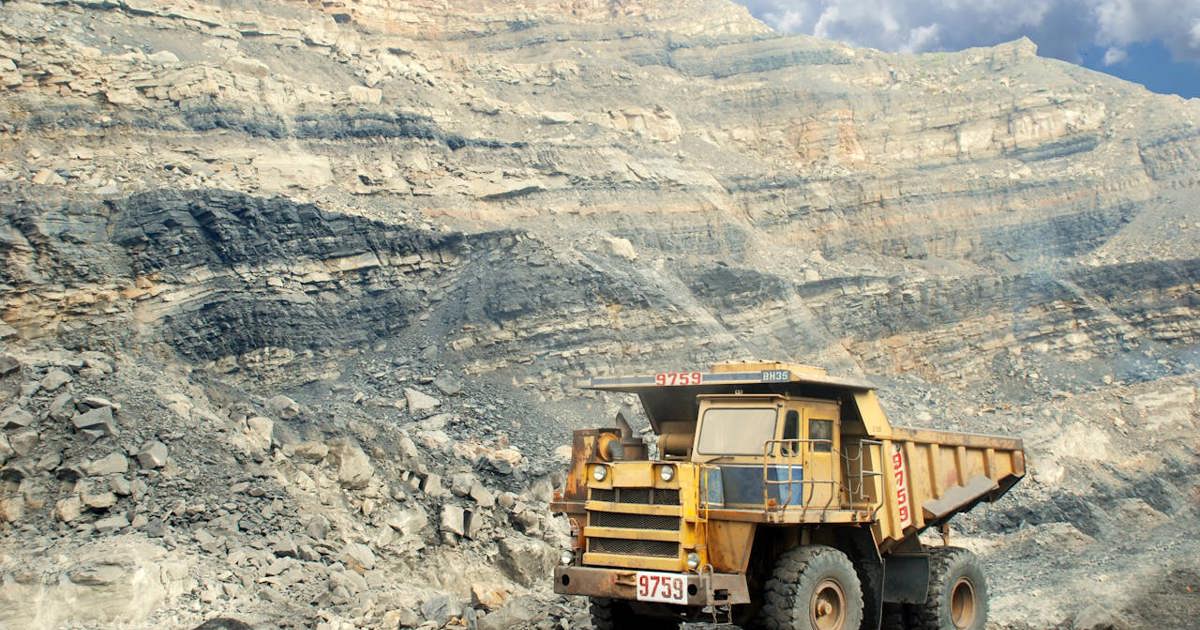
Production reverses the previous month’s growth
South Africa’s mining production fell 5.4% in May, reversing the strong growth recorded in the previous month, according to data from Statistics South Africa reported by Eyewitness News. Lower production of iron ore, coal and platinum group metals was responsible for much of the sector’s weaker performance.
The decline matters beyond the mining industry because these commodities form an important part of South Africa’s export base. Reduced mine output can limit the volume available to overseas buyers, affect utilization across rail and port infrastructure, and raise uncertainty for traders arranging future shipments. The available data did not provide separate production changes for iron ore, coal or platinum group metals, making it unclear which commodity contributed most to the overall 5.4% fall.
Mineral sales remain stronger than output
The production contraction contrasted with a 13.9% year-over-year increase in mineral sales. Eyewitness News reported that strong sales of platinum group metals, gold and coal supported the gain. The divergence indicates that weaker physical output in May did not immediately translate into lower sales revenue across the industry.
Production and sales can move differently because they measure separate parts of the mining cycle. Sales may be supported by commodity prices, product mined in earlier periods or the timing of deliveries, even when current extraction declines. For importers, the sales increase suggests that South African material continued to reach the market, but the production fall creates a risk for future availability if the weakness persists. Exporters and logistics providers will therefore be watching whether mine output recovers in June and July or whether lower volumes begin to affect shipments.
Transport disruption adds uncertainty
Mining analyst David van Wyk told Eyewitness News that conflict in the Middle East had disrupted global markets and could have contributed to the weaker result. He pointed to transport problems around the Strait of Hormuz and their effect on both production and the cost of moving minerals to market. The report did not quantify those additional costs or establish how directly they affected individual South African commodities.
For buyers of South African iron ore, coal and platinum group metals, the key issue is whether May’s fall represents a temporary interruption or a longer period of constrained supply. Continued transport disruption could increase freight costs and complicate delivery schedules even if mining production rebounds. A stabilization of supply chains, by contrast, would reduce pressure on exporters and make it easier for importers to plan purchases. Van Wyk said developments in June and July would help show how the situation may unfold during the rest of the year. Until those figures are available, the combination of falling output and rising sales points to a market where current demand remains firm but the future supply pipeline is less certain.