Sosucam opens Cameroon sugar campaign as losses and ownership uncertainty mount
Sosucam has started its 2026-2027 sugar campaign while its production target remains out of reach and accumulated losses stand at CFA99.1 billion. The company is also managing labor demands and uncertainty over Somdia’s planned withdrawal.
Harvest begins under operational pressure
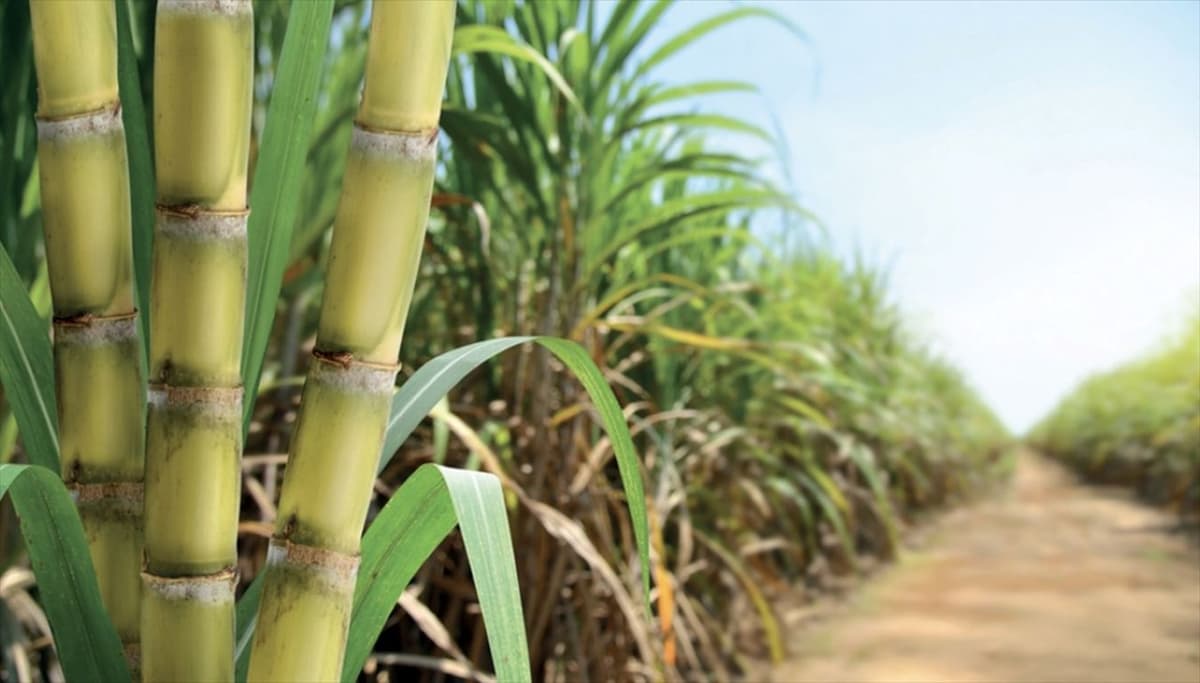
Société sucrière du Cameroun, or Sosucam, has opened its 2026-2027 sugar campaign while confronting weak production, deteriorating finances and uncertainty over its ownership. Controlled burning began on the Évié 1 sugar-cane plot at Nkoteng on November 11 before operations expanded to Mbandjock three days later, EcoMatin reported. The process prepares the cane for harvesting and transport to the mills. The campaign is scheduled to continue until May.
The company did not disclose a production forecast to EcoMatin. It acknowledged, however, that its target of producing 130,000 tonnes of sugar in 2027 is now out of reach. Sosucam had committed CFA40 billion to modernize its facilities, but low yields, implementation delays and labor disruption have limited progress. The company operates about 25,000 hectares of plantations.
At the start of the previous campaign in November 2025, Sosucam said around 100,000 tonnes of sugar were available or expected by year-end. That volume included 70,000 tonnes from refining operations in Douala and 30,000 tonnes of imported household sugar. The figures illustrated the role of external supplies even before the latest campaign began.
Imports rise as losses deepen
Cameroon imported 208,443 tonnes of sugar worth CFA69.3 billion in 2025, according to figures cited by EcoMatin. Customs data for the first half of the previous year had already recorded 250,000 tonnes of imports valued at CFA43 billion. Some imported sugar serves industrial users, but the volumes also expose the continuing gap between domestic supply and national demand.
Sosucam accumulated CFA99.1 billion in losses between 2020 and 2025 and did not report a profitable year during that period, according to financial data from its French parent group. Its annual deficit widened to CFA30.3 billion in 2025 from CFA22.3 billion in 2024. Revenue fell to CFA50.7 billion, compared with approximately CFA65.6 billion in 2023. Somdia converted CFA34.2 billion of claims into equity in 2023 and 2024, but the intervention did not restore profitability. In its 2025 accounts, the group also provisioned nearly CFA10 billion of claims on Sosucam and CFA54.2 billion for banking commitments linked to the producer.
Sale process and labor relations remain unresolved
Somdia, a subsidiary of France’s Castel group, announced a sale agreement on August 13, 2026, with a Cameroonian investor consortium involving Joseph Pagop Noupoué, Henriette Noutchougouin Kom and William Nkontchou. The prospective buyers presented an investment program of about CFA138 billion to modernize the facilities and develop additional operations, including a distillery. Cameroon’s authorities are monitoring the transaction through a strategic committee operating under Prime Minister Joseph Dion Ngute. Other potential buyers have emerged, including Kenya’s Kipchimchim group, which is associated with a proposal of about CFA200 billion. Somdia must continue operating Sosucam while the process remains unsettled.
Labor relations represent another risk. Management and worker representatives signed a social agreement on November 2 to support dialogue during the campaign, but employees are still seeking the removal of emergency cost-cutting measures introduced in November 2024, including restrictions on permanent and fixed-term recruitment. The concerns follow a strike by cane cutters between January 26 and February 8, 2025. Sosucam said the unrest cost it 50,000 tonnes of cane, destroyed nearly 1,000 hectares of plantations and caused CFA5 billion in damage. Workers currently favor dialogue, but jobs, production continuity and the ownership transition remain closely connected.