Hunger protest at Poland’s Solino mine raises concern over future brine demand
Workers at Orlen-controlled salt miner Solino are holding a rotating hunger protest and calling for a state takeover of Qemetica. The dispute centers on fears that changes in Qemetica’s salt and soda operations could reduce brine demand and threaten the mine’s future.
Workers seek state intervention
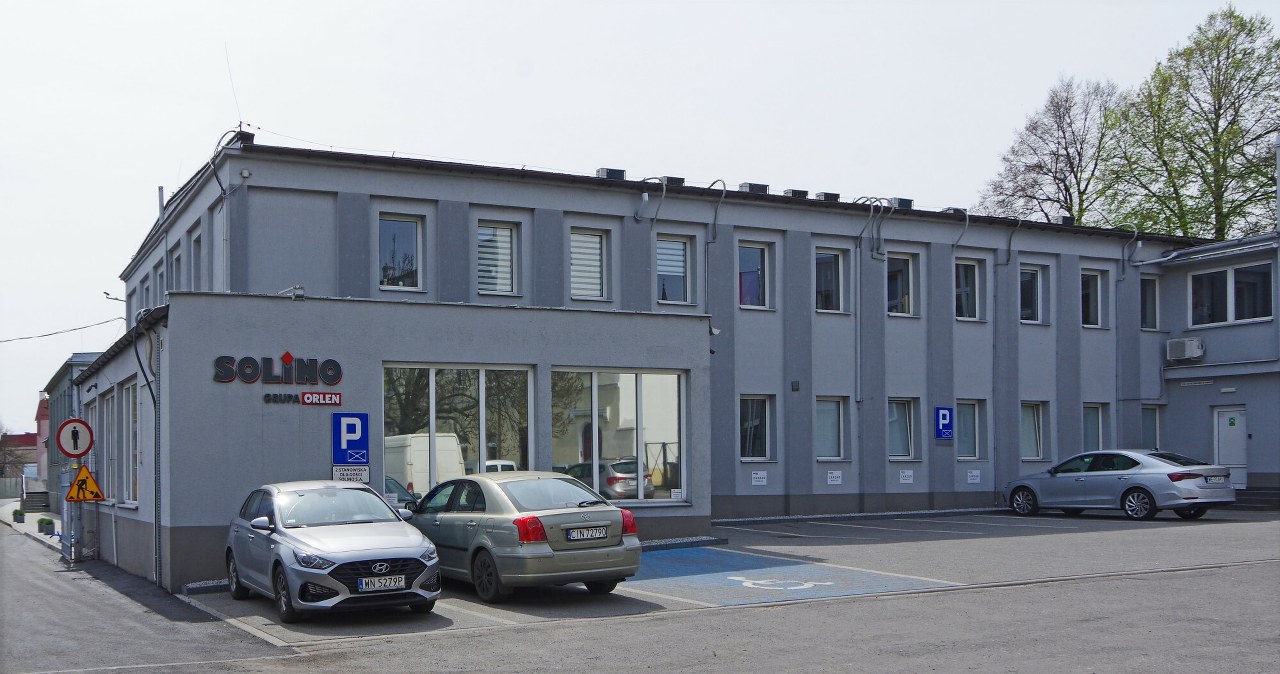
Workers at Inowrocławskie Kopalnie Soli “Solino,” a salt-mining company controlled by Orlen, are continuing a rotating hunger protest over the future of the business and its industrial customers. According to Interia Biznes, the protesters want Orlen or the Polish state to take over Qemetica, formerly known as Ciech. Their central concern is that lower purchases of brine could undermine the mine’s long-term operations.
Qemetica is active in soda and salt production, while Solino operates salt mines and brine supply systems used by the Orlen group. Qemetica has signed a preliminary agreement to sell salt plants in Janikowo, Poland, and Staßfurt, Germany, to Germany’s K+S. The transaction is expected to take place in the first quarter of 2027. For Poland’s chemicals supply chain, the dispute links upstream salt and brine extraction with downstream soda production and industrial salt demand.
Government rejects case for takeover
Deputy State Assets Minister Eliza Zeidler told parliament that Orlen currently sees no grounds for the State Treasury to acquire Qemetica’s assets. She said Qemetica was not withdrawing from Poland’s salt market and stressed that its soda and salt businesses were separate activities. Orlen considered buying Qemetica’s soda business last year but decided against submitting an offer after assessing potential synergies and the assets’ strategic relevance.
Zeidler also rejected claims that the dispute threatened Poland’s oil and fuel storage security. Solino maintains infrastructure used by Orlen, including salt mines and brine delivery systems, but the government said security did not depend on acquiring Qemetica. Producers and traders are responsible for 47 days of mandatory oil and fuel stocks, while the Government Strategic Reserves Agency covers 43 days. The ministry therefore sees no current need to create another state-controlled entity.
Employment stable but commercial risk remains
The ministry said the hunger protest could not be treated as a strike under Polish law because the required procedures had not been followed. Solino was informed by email on 16 March 2026, while no demands or prior attempt at negotiations had been submitted to the employer. Strike notification should have been delivered at least five days in advance. Four employees are participating in the protest on a rotating basis.
Orlen said Solino has no plans to reduce employment in salt production or sales. Staffing remains stable at nearly 250 full-time positions, with no workforce reduction or voluntary departure program initiated last year or this year. A pay agreement signed with union representatives on 9 March provides wage increases and additional benefits. The government also said it had received no evidence of an irreversible shutdown, dismantling or sale of strategic infrastructure. Even so, the commercial issue behind the protest remains relevant to importers and industrial buyers: any sustained reduction in brine consumption could alter operating rates, domestic salt availability and procurement needs across Poland’s soda and chemicals sector.